
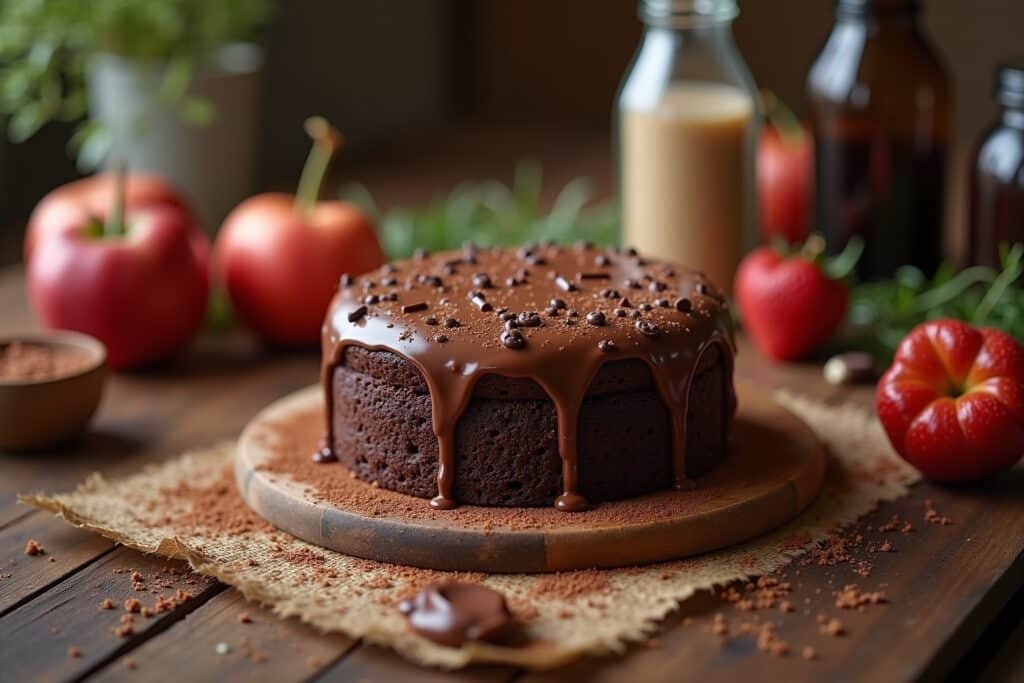
Mastering the art of chocolate baking unlocks a world of decadent delights, from the intensely fudgy brownie to the airy, melt-in-your-mouth chocolate cake. Whether you’re a novice in the kitchen or an experienced baker seeking to elevate your chocolate creations, understanding the nuances of cocoa, chocolate types, and baking techniques is paramount for achieving consistent, show-stopping results.
These are the most popular Chocolate Baking products
Keine Produkte gefunden.The Essential Chocolate Baking Ingredients: A Deeper Dive
The foundation of any exceptional chocolate baked good lies in the quality and type of chocolate and cocoa powder you select. Understanding their characteristics will significantly impact the flavor, texture, and appearance of your final product.
Cocoa Powder: The Bitter Heart of Chocolate Flavor
Cocoa powder is the unsweetened, dried, and ground solid component of cacao beans, from which most of the cocoa butter has been removed. Its primary role is to impart a deep, rich chocolate flavor without adding sweetness or significant fat. There are two main types of cocoa powder, and using the correct one is crucial for recipe success:
- Natural Cocoa Powder: This type is made from fermented, dried, and roasted cacao beans that are ground. It’s acidic and has a strong, fruity, and sometimes slightly bitter flavor. Natural cocoa powder reacts with baking soda to create lift in baked goods. It typically has a lighter brown color.
- Dutch-Processed Cocoa Powder: This cocoa powder has been treated with an alkalizing agent, which neutralizes its acidity. This process results in a smoother, milder chocolate flavor and a darker color. Because it’s no longer acidic, it requires a leavening agent like baking powder rather than baking soda to achieve rise.
Information Gain: The choice between natural and Dutch-processed cocoa powder is not interchangeable. Recipes specifically call for one or the other for a reason. Using natural cocoa powder in a recipe that requires Dutch-processed might lead to a less intense flavor and a denser texture, while the reverse could result in an overly bitter taste and an undesirable texture if the leavening isn’t properly balanced.
Chocolate Bars and Chips: Melting, Flavor, and Texture
When a recipe calls for melted chocolate or chocolate chunks, the type of chocolate matters immensely. The percentage of cacao solids determines the intensity of the chocolate flavor and the sweetness level.
- Unsweetened Chocolate: Also known as baking chocolate, this contains 100% cacao solids and cocoa butter. It is very bitter and is typically used in recipes where you control the sweetness by adding sugar. It provides the purest, most intense chocolate flavor.
- Bittersweet Chocolate: Generally contains 60-70% cacao solids. It offers a good balance of intense chocolate flavor with a pleasant sweetness, making it versatile for many baking applications.
- Semisweet Chocolate: Typically contains 45-55% cacao solids. It’s sweeter than bittersweet chocolate and a popular choice for cookies, brownies, and chips.
- Milk Chocolate: Contains a lower percentage of cacao solids (around 30-40%) and a higher proportion of milk solids and sugar. It has a creamier texture and a sweeter, milder chocolate flavor. While delicious for eating, it can be less ideal for baking where a strong chocolate flavor is desired, as it can melt more easily and affect the structure.
- White Chocolate: Technically not chocolate as it contains no cocoa solids, only cocoa butter, sugar, and milk solids. Its flavor profile is creamy and sweet, and it behaves differently when melted compared to dark or milk chocolate.
Information Gain: When melting chocolate for ganaches, glazes, or adding to batters, tempering is often a consideration for professional finishes. However, for many home baking recipes, simply melting chocolate gently over a double boiler or in the microwave at short intervals until smooth is sufficient. Be careful not to overheat chocolate, as it can seize and become unusable.
Fundamental Chocolate Baking Techniques
Achieving the perfect chocolate bake often comes down to mastering a few key techniques. These methods ensure that your ingredients interact correctly to produce the desired outcome.
Creaming Butter and Sugar: The Air Provider
This is a critical step in many cake and cookie recipes. Creaming involves beating softened butter and sugar together until the mixture is light, fluffy, and pale in color. This process incorporates air into the batter, which contributes to the leavening and texture of the final product.
- Importance: The sharp edges of the sugar crystals cut into the butter, creating tiny air pockets. These pockets expand in the oven, helping the baked good to rise and giving it a tender crumb.
- Tips for Success: Ensure your butter is truly softened, not melted. Use a stand mixer or electric hand mixer for best results. Scrape down the sides of the bowl frequently to ensure even creaming.
Folding in Dry Ingredients: Preserving Air
Once wet ingredients and dry ingredients (flour, cocoa powder, leavening agents) are combined separately, they are typically added to the wet mixture in stages. Folding is a gentle mixing technique used to combine these ingredients without deflating the air incorporated during creaming or whisking.
- Method: Use a spatula to cut down through the center of the mixture, sweep across the bottom of the bowl, and then fold the batter back over itself. Rotate the bowl as you go.
- Goal: Overmixing at this stage can develop gluten in the flour, leading to tough baked goods. Folding ensures that the ingredients are just combined, preserving the lightness and tenderness.
Understanding Leavening Agents: The Rise of Your Bake
Leavening agents are substances that produce gas, causing doughs and batters to expand and rise. In chocolate baking, you’ll commonly encounter baking soda and baking powder.
- Baking Soda (Sodium Bicarbonate): This is an alkali that requires an acidic ingredient in the recipe (like natural cocoa powder, buttermilk, or brown sugar) to react and produce carbon dioxide gas. It’s a faster-acting leavener.
- Baking Powder: This is a complete leavening agent containing both an acid and a base. Double-acting baking powder releases gas in two stages: once when it comes into contact with liquid, and again when heated in the oven. It’s used when there isn’t sufficient acidity in the recipe for baking soda alone.
Information Gain: Using the wrong leavening agent, or the incorrect amount, can have a significant impact on your bake. Too much can cause a bitter taste and an undesirable collapse, while too little will result in a dense, flat product. Always follow the recipe’s guidance precisely.
Popular Chocolate Baking Recipe Categories
The versatility of chocolate in baking is astounding. From simple cookies to elaborate cakes, there’s a chocolate recipe for every occasion and skill level.
| Category | Key Characteristics | Typical Ingredients | Texture Profile | Flavor Intensity |
|---|---|---|---|---|
| Chocolate Cakes | Moist, tender crumb; rich chocolate flavor; often layered or frosted. | Flour, sugar, eggs, butter/oil, cocoa powder/melted chocolate, leavening agents, dairy (milk/buttermilk). | Ranging from light and airy to dense and fudgy. | Moderate to Intense, depending on chocolate/cocoa content. |
| Chocolate Cookies | Crisp edges, chewy centers, or a combination; can be drop cookies, bar cookies, or molded. | Flour, sugar (granulated and brown), butter, eggs, cocoa powder/melted chocolate, chocolate chips/chunks. | Chewy, crisp, soft, or crumbly. | Mild to Intense. |
| Brownies & Blondies | Dense, fudgy, cakey, or chewy; intense chocolate flavor. Blondies are a non-chocolate equivalent. | Butter, sugar, eggs, cocoa powder/melted chocolate (for brownies), flour, leavening agents, chocolate chips/nuts. | Fudgy, chewy, cakey, dense. | Intense (brownies), Vanilla/Caramel (blondies). |
| Chocolate Tarts & Pies | Rich, creamy fillings encased in a pastry crust. | Pastry dough (flour, butter, water), chocolate, cream, eggs, sugar, flavorings. | Smooth, rich, often decadent. | Intense to Very Intense. |
| Chocolate Muffins & Quick Breads | Individual portions or loaves; tender crumb; often contain chocolate chips or swirls. | Flour, sugar, eggs, fat (oil/butter), cocoa powder/melted chocolate, leavening agents, dairy. | Moist, tender, cake-like. | Mild to Moderate. |
Troubleshooting Common Chocolate Baking Issues
Even with the best intentions, baking can sometimes present challenges. Here are some common issues and how to address them:
Why Are My Chocolate Cookies Spreading Too Much?
Excessive spreading in cookies is often due to:
- Too much fat: Using too much butter or oil can make the dough too soft.
- Too little flour: Not enough flour to absorb the liquid and fat.
- Incorrect temperature: Dough that is too warm will spread more easily. Chilling the dough can help.
- Oven temperature: An oven that is too cool can also contribute to spreading before the cookies set.
My Chocolate Cake Is Dry. How Can I Prevent This?
A dry chocolate cake can stem from several factors:
- Overbaking: This is the most common culprit. Bake until a toothpick inserted into the center comes out with moist crumbs attached, not completely clean.
- Incorrect flour measurement: Too much flour can absorb excess moisture. Spoon flour into your measuring cup and level it off rather than scooping directly from the bag.
- Insufficient fat or liquid: Ensure you’ve used the correct amounts of butter, oil, eggs, and dairy as specified in the recipe.
Why Did My Chocolate Ganache Seize?
A seized ganache is grainy and thick, often appearing oily. This happens when:
- Water is introduced: Even a drop of water can cause the chocolate to clump and seize. Ensure all utensils and bowls are dry.
- Chocolate is overheated: When melting chocolate, it’s crucial to do so gently.
- Incorrect ratio of chocolate to liquid: While less common, an imbalanced ratio can affect texture.
Information Gain: If your ganache seizes, sometimes you can salvage it by carefully whisking in a tablespoon of warm liquid (like milk or cream) at a time until it emulsifies. However, it may not achieve the silkiest texture.
These are the latest Chocolate Baking products with the best ratings.
Keine Produkte gefunden.FAQs – Frequently Asked Questions about Chocolate Baking Recipes
What is the difference between cocoa powder and chocolate?
Cocoa powder is the unsweetened, dried solids of the cacao bean after the fat (cocoa butter) has been removed. Chocolate, on the other hand, contains both cocoa solids and cocoa butter, along with sugar and sometimes milk solids. Cocoa powder provides intense chocolate flavor without significant fat or sweetness, while chocolate contributes flavor, fat, and sweetness to baked goods.
Can I substitute natural cocoa powder for Dutch-processed cocoa powder?
Generally, it’s not recommended to substitute them directly without recipe adjustments. Natural cocoa powder is acidic and reacts with baking soda for leavening. Dutch-processed cocoa powder is neutralized and requires baking powder. Substituting them can affect the rise, texture, and flavor of your baked goods. If you must substitute, research how to adjust leavening agents accordingly.
How do I properly measure flour for chocolate baking?
The best method is the ‘spoon and level’ technique. Lightly spoon flour into your dry measuring cup until it’s overflowing, then sweep the excess off the top with the straight edge of a knife or spatula. Scooping directly from the bag can compact the flour, leading to using too much, which can result in dry and dense baked goods.
What is the ideal temperature for my oven when baking chocolate recipes?
Oven temperatures for chocolate baking typically range from 325°F (160°C) to 375°F (190°C), depending on the recipe. Cakes often bake at lower temperatures for even cooking and moistness, while cookies might bake at higher temperatures for crispier edges. Always preheat your oven thoroughly and use an oven thermometer to ensure accuracy, as ovens can vary.
Why are my chocolate chips melting into the batter instead of staying whole?
This can happen if your batter is too warm, if the chocolate chips are very small, or if you’re using chips formulated for melting. For chocolate chip cookies where you want defined chips, it’s often best to chill your cookie dough before baking. This firms up the fat in the chips and the dough, preventing excessive spreading and melting.
What is the best way to melt chocolate for baking?
The most reliable methods are using a double boiler or melting in the microwave in short intervals. For a double boiler, place chopped chocolate in a heatproof bowl set over simmering water (the bottom of the bowl should not touch the water), stirring occasionally until melted and smooth. In the microwave, heat in 20-30 second bursts, stirring well after each interval, until almost fully melted, then stir until smooth. Avoid overheating, as it can cause chocolate to seize.
How can I achieve a richer chocolate flavor in my recipes?
To enhance chocolate flavor, you can:
- Use high-quality cocoa powder and chocolate with a higher cacao percentage.
- Add a teaspoon or two of instant espresso powder to the dry ingredients; it deepens chocolate flavor without adding a coffee taste.
- Incorporate a liquid with strong flavors, such as coffee or a dark stout beer, instead of some of the milk or water called for in the recipe.
- Ensure you are not overbaking, as prolonged heat can diminish the nuanced flavors of chocolate.


