
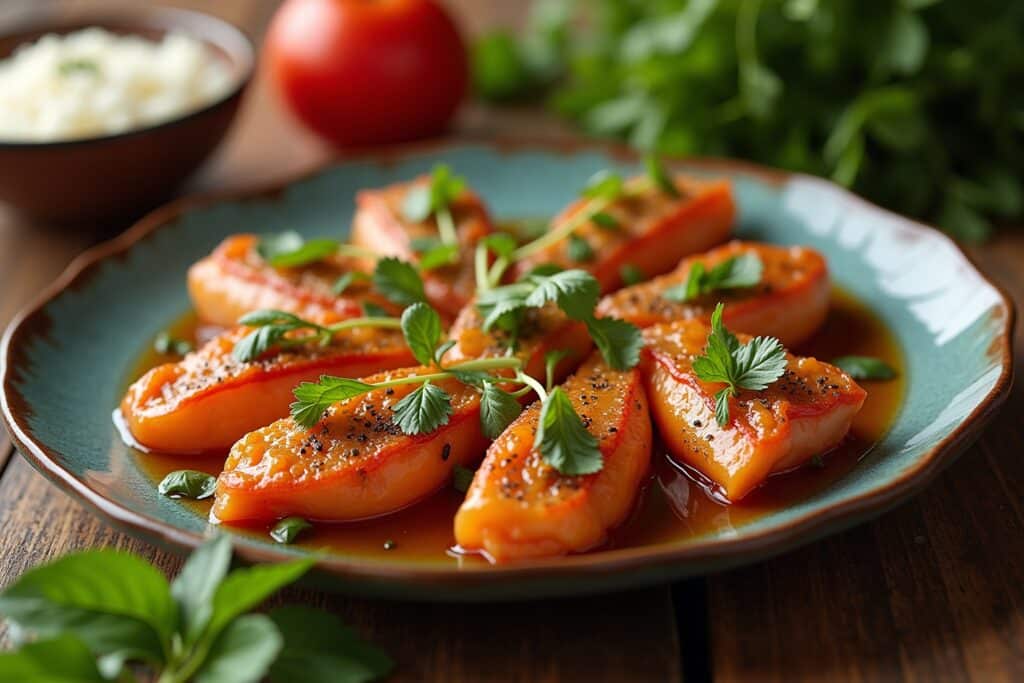
Unlock the culinary versatility of vinegar with these 16 amazing recipes, transforming everyday ingredients into gourmet delights. Whether you’re a novice cook or a seasoned chef, understanding the unique properties of different vinegars can elevate your dishes, from vibrant dressings to deeply flavorful marinades.
These are the most popular Vinegar recipes products
Keine Produkte gefunden.The Art of Vinegar in Cooking: Beyond the Basic Salad Dressing
Vinegar, a fundamental ingredient in kitchens worldwide, offers a spectrum of flavors and functionalities that go far beyond its acidic tang. Its natural acidity acts as a tenderizer, a flavor enhancer, and a preservative, making it an indispensable tool for creating complex and balanced dishes. Understanding the nuances between various types of vinegar – from the delicate notes of white wine vinegar to the robust character of balsamic – allows you to precisely tailor your culinary creations.
16 Amazing Vinegar Recipes to Elevate Your Culinary Repertoire
Explore these 16 exceptional recipes, each showcasing the power of vinegar to transform simple ingredients into memorable meals. We’ve curated a selection that spans appetizers, main courses, sides, and even beverages, demonstrating the incredible range of applications for this humble yet powerful condiment.
1. Balsamic Glazed Brussels Sprouts with Crispy Prosciutto
The sweet, syrupy notes of balsamic vinegar perfectly complement the slightly bitter Brussels sprouts, while crispy prosciutto adds a salty crunch. This dish is a testament to how a well-chosen vinegar can balance flavors and textures.
2. Red Wine Vinaigrette for Robust Salads
A classic for a reason, a red wine vinaigrette with a good quality red wine vinegar provides a sharp, fruity base that cuts through the richness of greens and cheeses. Adding Dijon mustard emulsifies the dressing, creating a smooth, integrated flavor profile.
3. Apple Cider Vinegar Brined Pork Chops
Brining pork chops in an apple cider vinegar solution ensures incredibly moist and tender meat. The mild acidity of apple cider vinegar breaks down tough muscle fibers without imparting an overpowering sourness.
4. White Wine Vinegar Marinated Chicken Skewers
A bright and zesty marinade using white wine vinegar is ideal for tenderizing chicken before grilling. It imparts a subtle tang that enhances the natural flavor of the poultry.
5. Sherry Vinegar for a Spanish Flair
Incorporate sherry vinegar into a gazpacho or a pan sauce for grilled fish. Its nutty, complex profile adds an authentic Spanish character to dishes.
6. Rice Vinegar for Asian-Inspired Slaws
Mild and slightly sweet, rice vinegar is the backbone of many Asian dressings. Use it to create a refreshing and crisp slaw that pairs beautifully with grilled meats or seafood.
7. Malt Vinegar Fish and Chips Companion
No true fish and chips experience is complete without a generous splash of malt vinegar. Its robust, malty flavor is the perfect counterpoint to the crispy batter and flaky fish.
8. Honey-Balsamic Chicken Marinade
Combine balsamic vinegar with honey for a sweet and tangy marinade that caramelizes beautifully on the grill or in the oven, creating a sticky, flavorful glaze for chicken.
9. Pickled Red Onions with Red Wine Vinegar
Quick-pickling red onions in red wine vinegar transforms them into a vibrant, tangy garnish for tacos, sandwiches, and salads. The vinegar preserves their crispness and adds a pop of color.
10. Grapefruit and White Balsamic Salad Dressing
Pair the tartness of grapefruit with the milder, sweeter notes of white balsamic vinegar for a refreshing and light salad dressing, perfect for spring and summer salads.
11. Worcestershire Sauce: A Complex Vinegar Blend
While not a single vinegar, Worcestershire sauce is a testament to the power of fermented ingredients, including vinegar, to create immense depth of flavor. Use it in marinades, stews, and even Bloody Marys.
12. Raspberry Vinaigrette with Raspberry Vinegar
Infuse a simple vinaigrette with raspberry vinegar for a fruity, elegant dressing that complements mixed greens, goat cheese, and berries.
13. Apple Cider Vinegar for Sauerkraut
While traditional sauerkraut relies on natural fermentation, a touch of apple cider vinegar can kickstart the process and add an extra layer of tangy complexity.
14. Deglazing with Red Wine Vinegar for Pan Sauces
After searing meat, deglaze the pan with red wine vinegar to lift flavorful browned bits from the bottom, creating a rich and complex sauce base.
15. Sweet and Sour Sauce Base with Rice Vinegar
A cornerstone of many Asian-inspired sweet and sour dishes, rice vinegar provides the essential acidic balance to a sauce typically balanced with sugar and other flavorings.
16. Vinegar-Based BBQ Sauce
Many regional BBQ sauces, particularly those from the Carolinas, feature a vinegar base. This provides a sharp, tangy contrast to the richness of slow-cooked pork or chicken.
Vinegar Types and Their Culinary Applications
Understanding the diverse world of vinegars is key to mastering these recipes. Each type offers a unique flavor profile and characteristic that can dramatically impact your cooking. Here’s a breakdown of some commonly used varieties and their best applications:
| Vinegar Type | Flavor Profile | Best Uses | Key Characteristics |
|---|---|---|---|
| Balsamic Vinegar | Sweet, complex, fruity, rich | Salads, glazes, marinades, reductions, finishing | Aged, made from grape must, can be expensive |
| Red Wine Vinegar | Tangy, fruity, robust | Vinaigrettes, marinades, pan sauces, stews | Made from red wine, versatile, good acidity |
| White Wine Vinegar | Mild, crisp, clean | Salads, dressings, fish dishes, white meat marinades | Made from white wine, less assertive than red wine vinegar |
| Apple Cider Vinegar | Fruity, sharp, slightly sweet | Brines, dressings, BBQ sauces, pickling, baked goods | Made from apples, can be unfiltered or filtered |
| Rice Vinegar | Mild, subtly sweet | Asian cuisine, stir-fries, sushi rice, slaws | Made from fermented rice, less acidic than Western vinegars |
| Sherry Vinegar | Nutty, complex, slightly sweet | Spanish cuisine, dressings, marinades, sauces | Made from sherry wine, rich flavor |
| Malt Vinegar | Earthy, malty, robust | Fish and chips, marinades, chutneys | Made from malted barley, strong flavor |
| White Balsamic Vinegar | Lighter, sweeter, less intense than dark balsamic | Delicate salads, fish, poultry | Processed to retain a lighter color, often a good substitute for delicate dishes |
Frequently Asked Questions about 16 Amazing Vinegar Recipes
What is the best vinegar for making salad dressings?
The “best” vinegar for salad dressings depends on the desired flavor profile. For a classic vinaigrette, red wine vinegar or white wine vinegar are excellent choices due to their balanced acidity and versatility. For lighter, fruitier dressings, apple cider vinegar or even white balsamic vinegar can be used. If you prefer a sweeter, more complex dressing, a good quality balsamic vinegar is ideal. Experimenting with different types will help you discover your personal preference.
Can I substitute one type of vinegar for another in these recipes?
Yes, you can often substitute vinegars, but it’s important to consider the flavor profile and acidity level. For instance, you can generally swap red wine vinegar for white wine vinegar or vice versa in many savory applications. However, substituting a strong malt vinegar for a delicate rice vinegar would significantly alter the dish. When in doubt, start with a smaller amount of the substitute vinegar and adjust to taste, especially if it’s a more potent variety.
How do I store homemade vinegar recipes like dressings and marinades?
Homemade salad dressings and marinades containing vinegar are generally quite stable due to the acidic nature of vinegar, which acts as a preservative. Store them in airtight containers in the refrigerator. Most homemade dressings will keep well for 1-2 weeks. For marinades, it’s best to use them within 2-3 days, especially if they contain fresh herbs or citrus.
Are there any health benefits associated with consuming vinegar?
Vinegar, particularly apple cider vinegar, has been studied for potential health benefits. Some research suggests it may help regulate blood sugar levels, aid in weight management by promoting satiety, and possess antimicrobial properties. However, it’s important to note that more robust scientific evidence is needed for many of these claims, and vinegar should not be considered a miracle cure. Moderation and a balanced diet are key.
What is the difference between regular balsamic vinegar and balsamic glaze?
Regular balsamic vinegar is a liquid, typically with a tangy and slightly sweet flavor profile, used as a dressing or in marinades. A balsamic glaze, on the other hand, is a reduction of balsamic vinegar, meaning it has been simmered down to a thicker, syrupy consistency. This process concentrates the sugars, resulting in a much sweeter and more intense flavor. Glazes are excellent for drizzling over desserts, meats, or cheeses.
How can I make my vinegar-based sauces less acidic?
If a vinegar-based sauce is too acidic for your taste, you can balance it by adding a touch of sweetness. This could be in the form of sugar, honey, maple syrup, or even a small amount of fruit puree. A pinch of salt can also help to round out the flavors and make the acidity less pronounced. Another option is to emulsify the sauce with a healthy fat like olive oil or butter, which can mellow the sharpness.


