
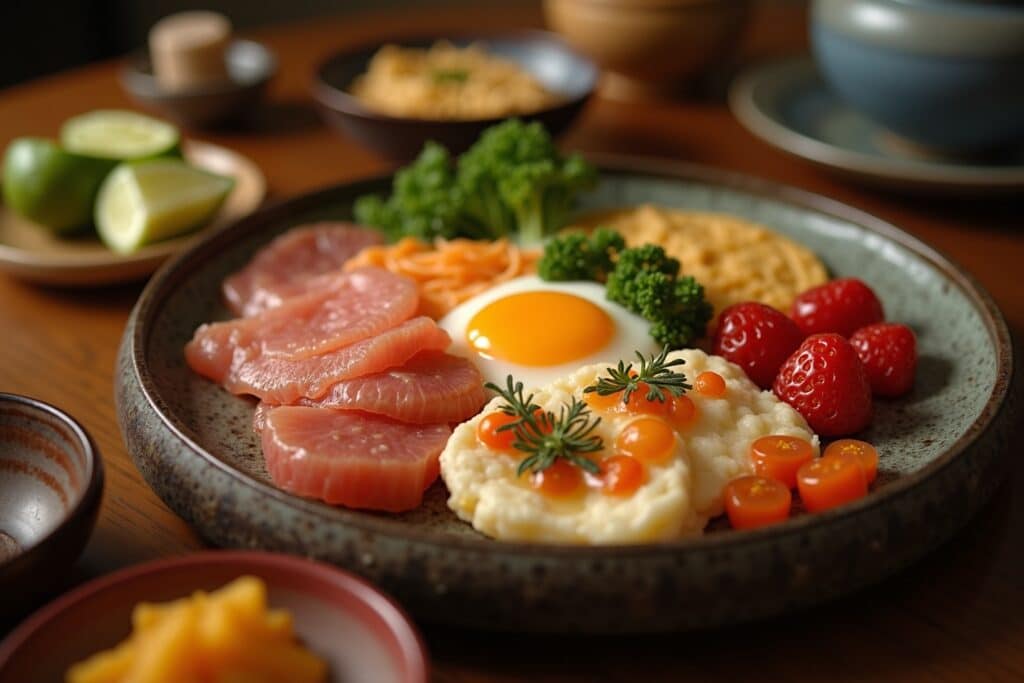
You’re seeking to elevate your morning routine with the nuanced flavors and nourishing traditions of Japanese breakfast. This curated selection of 14 Japanese breakfast recipes offers a gateway to a healthier, more satisfying start to your day, whether you’re a seasoned culinary explorer or new to the world of Washoku.
These are the most popular Japanese Cookbook products
Keine Produkte gefunden.Understanding the Pillars of Japanese Breakfast
A traditional Japanese breakfast, often referred to as Ichiju Sansai (one soup, three side dishes), is far more than just a meal; it’s a balanced philosophy of nutrition and sensory pleasure. It emphasizes variety, seasonality, and the careful preparation of each component to create a harmonious whole. This approach ensures you receive a spectrum of nutrients, from protein and healthy fats to complex carbohydrates and essential vitamins, all presented in an appealing and digestible manner.
The Essential Components
- Gohan (Steamed Rice): The undisputed staple. Short-grain Japanese rice, cooked to a perfect fluffy texture, forms the carbohydrate base of almost every Japanese meal. Its neutral flavor complements the other dishes beautifully.
- Miso Shiru (Miso Soup): A foundational element. This savory broth, made with dashi (Japanese stock) and fermented soybean paste (miso), is brimming with umami and probiotics. It’s typically enhanced with ingredients like tofu, wakame seaweed, and seasonal vegetables.
- Yakizakana (Grilled Fish): A primary source of protein. Salmon, mackerel, or horse mackerel are common choices, often lightly seasoned with salt and grilled to flaky perfection. The simplicity of preparation highlights the natural flavor of the fish.
- Tsukemono (Pickles): Essential for palate cleansing and adding acidity. These fermented vegetables, such as pickled daikon (takuan) or pickled plums (umeboshi), provide a tangy counterpoint to the richness of other dishes and aid digestion.
- Kobachi (Small Side Dishes): These are where you’ll find a diverse array of vegetables, tofu, or sometimes small portions of meat or seafood, prepared in various ways like simmering, pickling, or dressing. Examples include simmered spinach with sesame dressing (Gomae) or seasoned hijiki seaweed.
14 Authentic Japanese Breakfast Recipes to Inspire Your Mornings
Embark on a culinary journey with these meticulously chosen recipes, designed to bring the essence of a traditional Japanese breakfast to your table. Each recipe is presented with an emphasis on clarity and ease of preparation, making them accessible for home cooks of all skill levels.
1. Classic Miso Soup with Tofu and Wakame
This is the cornerstone of many Japanese breakfasts. A simple yet deeply satisfying soup that warms you from the inside out. The combination of savory miso, delicate tofu, and oceanic wakame is both nourishing and comforting.
- Key Ingredients: Dashi stock, miso paste (white or red, or a blend), silken tofu, dried wakame seaweed, green onions for garnish.
- Preparation Notes: Dissolve miso paste gently into the dashi without boiling. Add cubed tofu and rehydrated wakame just before serving.
2. Perfectly Steamed Japanese Rice (Gohan)
The perfect canvas for your breakfast. Learning to steam Japanese rice correctly is a fundamental skill that elevates every meal. It’s about achieving that ideal balance of tender grains with a slight chew.
- Key Ingredients: Short-grain Japanese rice, water.
- Preparation Notes: Rinse rice thoroughly until water runs clear. Use the correct rice-to-water ratio (usually 1:1.1 to 1:1.2). A rice cooker is highly recommended for consistent results.
3. Salt-Grilled Salmon (Shioyaki Sake)
A simple preparation that allows the natural richness of salmon to shine. The salt enhances the flavor and creates a beautiful crispy skin.
- Key Ingredients: Salmon fillets (skin on), sea salt.
- Preparation Notes: Lightly salt the salmon and let it rest for about 15-20 minutes before grilling or pan-frying until cooked through and the skin is crisp.
4. Tamagoyaki (Rolled Omelette)
A slightly sweet and savory rolled omelette, often prepared in a rectangular pan. It’s a delightful protein source and adds a touch of elegance to the plate.
- Key Ingredients: Eggs, dashi or water, soy sauce, mirin, sugar (optional).
- Preparation Notes: Whisk eggs with seasonings. Pour thin layers into a lightly oiled tamagoyaki pan, rolling each layer upon itself as it cooks.
5. Simmered Hijiki Seaweed with Carrots and Tofu
A nutritious and flavorful side dish packed with minerals. Hijiki seaweed has a unique texture and earthy taste, complemented by sweet carrots and savory fried tofu.
- Key Ingredients: Dried hijiki seaweed, carrots, fried tofu (aburaage), soy sauce, mirin, dashi.
- Preparation Notes: Rehydrate hijiki seaweed. Simmer all ingredients in a dashi-based sauce until tender and flavorful.
6. Spinach Gomae (Spinach with Sesame Dressing)
A classic Japanese side dish that’s both healthy and delicious. The creamy, nutty flavor of the sesame dressing coats the blanched spinach perfectly.
- Key Ingredients: Fresh spinach, toasted sesame seeds, soy sauce, sugar, mirin.
- Preparation Notes: Blanch spinach, squeeze out excess water, and chop. Grind sesame seeds and mix with other dressing ingredients. Toss the spinach with the dressing.
7. Pickled Daikon Radish (Takuan)
This bright yellow, crunchy pickle offers a sweet and tangy counterpoint to richer breakfast elements. It aids digestion and adds a refreshing element.
- Key Ingredients: Daikon radish, salt, sugar, rice vinegar, turmeric (for color).
- Preparation Notes: While traditional takuan involves fermentation, quicker versions can be made by salting, pressing, and pickling daikon in a brine.
8. Natto (Fermented Soybeans)
A polarizing but incredibly healthy fermented food. Natto has a strong aroma and sticky texture, often enjoyed with soy sauce, mustard, and green onions, served over rice.
- Key Ingredients: Natto beans, soy sauce, Japanese mustard (karashi), chopped green onions.
- Preparation Notes: Mix the natto beans vigorously with the included sauce and mustard until a sticky foam develops. Serve immediately over hot rice.
9. Chawanmushi (Savory Egg Custard)
A delicate, steamed egg custard with a silken texture and subtle savory flavors. It’s often prepared in individual teacups and can contain various ingredients like chicken, shrimp, or ginkgo nuts.
- Key Ingredients: Eggs, dashi stock, soy sauce, mirin, ingredients like cooked chicken, shrimp, shiitake mushrooms, ginkgo nuts.
- Preparation Notes: Gently whisk eggs with dashi and seasonings. Pour into heatproof cups with desired ingredients and steam until set.
10. Onigiri (Rice Balls)
A portable and versatile breakfast option. These are typically shaped into triangles or spheres and can be filled with various ingredients like grilled salmon, pickled plum (umeboshi), or seasoned seaweed.
- Key Ingredients: Cooked Japanese rice, salt, fillings (e.g., flaked grilled salmon, umeboshi paste, tuna mayo), nori seaweed (optional).
- Preparation Notes: Moisten your hands with salted water. Take a portion of rice, press in your filling, and shape into a ball or triangle. Wrap with nori if desired.
11. Grilled Mackerel (Saba no Shioyaki)
Similar to salmon, mackerel is a fatty, flavorful fish that grills beautifully. Its robust taste stands up well to simple seasoning.
- Key Ingredients: Mackerel fillets, sea salt.
- Preparation Notes: Salt the mackerel fillets and grill or pan-fry until cooked through and the skin is crispy.
12. Simmered Pumpkin (Kabocha no Nimono)
Sweet and tender chunks of pumpkin simmered in a light, savory broth. This dish offers a natural sweetness and a soft texture that’s incredibly comforting.
- Key Ingredients: Kabocha squash, dashi, soy sauce, mirin, sugar.
- Preparation Notes: Cut kabocha into bite-sized pieces. Simmer in dashi, soy sauce, mirin, and a touch of sugar until tender.
13. Agedashi Tofu (Lightly Fried Tofu in Broth)
While often served as an appetizer, a smaller portion of tender, lightly fried tofu in a savory dashi-based sauce makes for a satisfying protein component in a Japanese breakfast.
- Key Ingredients: Firm tofu, potato starch or cornstarch, dashi, soy sauce, mirin, grated daikon, grated ginger, chopped green onions.
- Preparation Notes: Pat tofu dry, cut into cubes, coat in starch, and lightly fry until golden. Serve in a warm dashi broth with toppings.
14. Furikake Rice Topping
A convenient and flavorful way to enhance plain steamed rice. Furikake is a dry seasoning mix typically containing dried fish flakes, sesame seeds, seaweed, and salt.
- Key Ingredients: Rice.
- Preparation Notes: Sprinkle generously over hot, steamed rice.
Nutritional and Culinary Benefits
Embracing a Japanese breakfast routine offers a multitude of benefits that extend beyond mere sustenance. The emphasis on whole foods, balanced macronutrients, and diverse ingredients contributes to improved energy levels, better digestive health, and sustained satiety throughout the morning. The thoughtful preparation and presentation also engage your senses, making the act of eating a mindful and enjoyable experience.
A Balanced Nutritional Profile
- Protein: Provided by fish, tofu, eggs, and natto, essential for muscle repair and growth, and promoting a feeling of fullness.
- Complex Carbohydrates: Primarily from steamed rice, offering sustained energy release rather than rapid spikes and crashes.
- Healthy Fats: Found in fatty fish like salmon and mackerel, crucial for brain health and nutrient absorption.
- Vitamins and Minerals: Abundant in vegetables, seaweed, and pickles, supporting overall bodily functions and immune health.
- Probiotics: Present in miso and natto, beneficial for gut health and digestion.
Structuring Your Japanese Breakfast
While Ichiju Sansai (one soup, three dishes) is the traditional framework, you can adapt these recipes to suit your time and preferences. The key is to aim for balance and variety.
- For Busy Mornings: Focus on Onigiri, Furikake Rice, and a quick Miso Soup.
- For a More Elaborate Meal: Combine Steamed Rice, Miso Soup, Grilled Fish, Tamagoyaki, and a small vegetable side dish like Spinach Gomae.
- Exploring Fermentation: Incorporate Natto or Takuan for their unique flavors and digestive benefits.
Essential Japanese Pantry Staples
To truly replicate the authentic flavors of Japanese cuisine, stocking a few key ingredients will be invaluable. These staples are versatile and form the foundation for many delicious dishes.
- Dashi granules or kombu and katsuobushi: For making dashi stock, the base for miso soup and many other dishes.
- Miso paste: Available in various types (white, red, mixed), each offering a different flavor profile.
- Soy sauce: A fundamental seasoning for depth and umami.
- Mirin: A sweet rice wine used for balancing flavors and adding a subtle sweetness.
- Sake: Cooking sake can tenderize ingredients and add depth.
- Rice vinegar: For pickling and adding acidity.
- Toasted sesame oil and sesame seeds: For dressings and finishing dishes.
The Art of Presentation
In Japanese culture, the visual appeal of food is as important as its taste. Serving your breakfast in small, attractive bowls and arranging the components thoughtfully enhances the overall dining experience. Even simple dishes like rice balls can be made more appealing with a small piece of nori or a garnish.
These are the latest Japanese Cookbook products with the best ratings.
Keine Produkte gefunden.FAQ – Frequently Asked Questions about 14 Japanese Breakfast Recipes
Can I prepare some components of these recipes in advance?
Absolutely. Many elements can be prepared ahead of time to save you precious minutes in the morning. Cooked rice can be stored and reheated. Miso soup can be made up to the point of adding miso paste and then finished just before serving. Side dishes like simmered vegetables or pickled items are often best made a day in advance to allow flavors to meld. Tamagoyaki is best made fresh, but leftovers can be enjoyed cold.
Are Japanese breakfast recipes healthy?
Yes, Japanese breakfast recipes are renowned for their health benefits. They typically emphasize a balance of protein, complex carbohydrates, healthy fats, and a wide array of vegetables and sea vegetables, providing essential vitamins, minerals, and fiber. The focus on simple preparations and minimal processed ingredients further contributes to their healthful profile.
What if I don’t have access to all the traditional ingredients?
While authenticity is wonderful, adaptability is key. You can often substitute ingredients. For example, if dashi granules are unavailable, you can make a simple vegetable broth. Any firm white fish can be substituted for mackerel or salmon. For natto, while unique, other fermented foods can offer similar probiotic benefits. The goal is to capture the spirit of balance and fresh flavors.
Is Japanese breakfast too much food for one person?
The traditional Ichiju Sansai framework might seem extensive, but each component is served in small portions. This variety allows you to enjoy different tastes and textures, leading to greater satisfaction without overeating. You can also adjust the number of side dishes based on your appetite and available time.
How can I make Miso Soup if I don’t have dashi?
If you can’t find dashi granules or make it from scratch, you can create a flavorful broth using vegetable stock or even just hot water as a base. While it won’t have the same depth of flavor as traditional dashi, it will still be a delicious and warming soup. You can enhance its flavor with a pinch of kombu powder if available.
Are there vegetarian or vegan options within these 14 recipes?
Certainly. Many of these recipes can be easily adapted. For vegetarian options, omit fish and chicken. For vegan options, ensure your dashi is made from kombu and shiitake mushrooms (instead of bonito flakes), use tofu or tempeh instead of fish, and avoid any egg-based dishes like Tamagoyaki and Chawanmushi. Many of the vegetable side dishes are naturally vegan or easily made so.


