
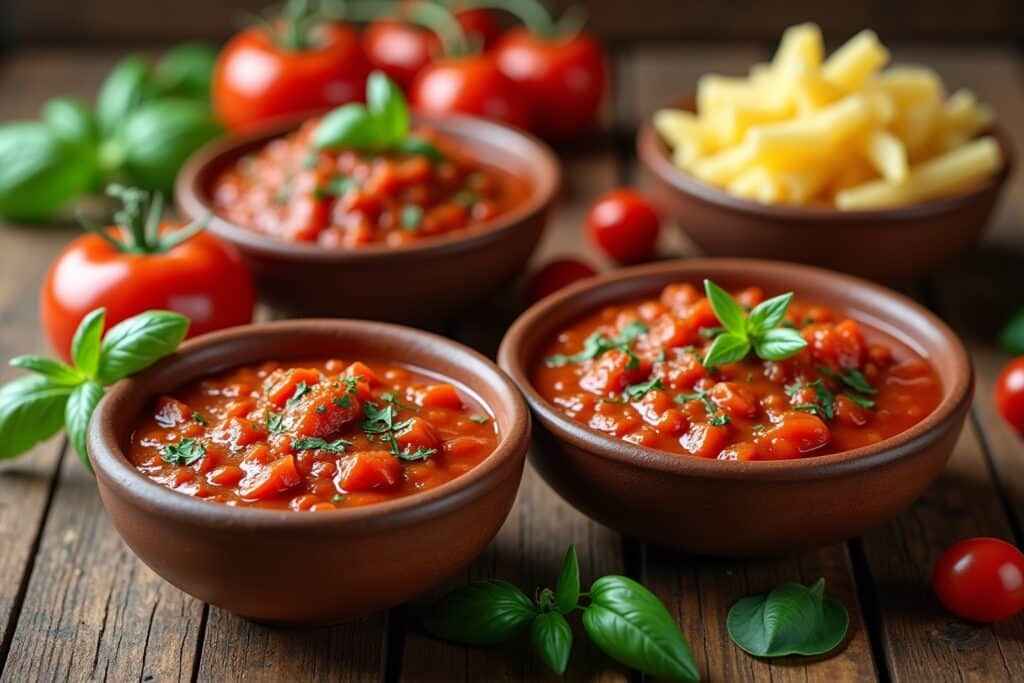
Mastering the art of tomato sauce is fundamental for any home cook, unlocking a universe of culinary possibilities from comforting pasta dishes to robust braising liquids. Discovering the nuances between a quick weeknight marinara and a slow-simmered ragu provides the foundation for countless meals, transforming simple ingredients into extraordinary flavors that will elevate your cooking.
These are the most popular Tomato Recipes products
Keine Produkte gefunden.The Versatility of Tomato Sauce: Beyond Pasta
While undeniably the soulmate of pasta, tomato sauce’s applications extend far beyond Italian cuisine. Its rich, acidic, and often umami-driven profile makes it an invaluable component in global dishes. Think of the smoky depth it adds to chili, the vibrant base for shakshuka, or the essential layer in a classic lasagna. Understanding the different ways tomato sauce can be prepared allows you to adapt and innovate in your own kitchen, proving that a well-made tomato sauce is a versatile pantry staple.
16 Essential Tomato Sauce Recipes
Here, you will find a curated collection of 16 distinct tomato sauce recipes, each designed to cater to different tastes, cooking times, and culinary goals. From the simplest preparations that highlight the pure flavor of ripe tomatoes to complex sauces that have been slow-cooked to perfection, this selection aims to equip you with the knowledge to create exceptional tomato sauces for any occasion.
1. Classic Marinara Sauce
This is the quintessential quick tomato sauce, perfect for weeknights. It relies on good quality canned crushed tomatoes, garlic, olive oil, and a touch of basil. The key is a short simmer to meld the flavors without overcooking, preserving a fresh tomato taste.
2. Slow-Cooked Ragu Bolognese
A labor of love, Bolognese is a rich, meat-based sauce that requires hours of slow simmering. It typically includes ground beef and/or pork, soffritto (onion, carrot, celery), tomatoes, and often milk or cream for added richness. This sauce is deeply flavorful and develops incredible depth over time.
3. Arrabbiata Sauce
For those who enjoy a bit of heat, Arrabbiata is a spicy tomato sauce. The “arrabbiata” translates to “angry,” referring to the chili peppers that provide its signature kick. Garlic, crushed red pepper flakes, and tomatoes are simmered together for a bold and zesty sauce.
4. Puttanesca Sauce
Puttanesca is a robust and flavorful sauce characterized by its salty, briny ingredients: olives, capers, and anchovies. Combined with tomatoes, garlic, and often a hint of chili, it delivers a complex and satisfying taste that is surprisingly quick to prepare.
5. Pomodoro Sauce
A simpler cousin to marinara, Pomodoro often uses whole peeled San Marzano tomatoes, crushed by hand or pulsed briefly. It’s typically lighter and brighter, focusing on fresh tomato flavor with minimal ingredients like garlic, basil, and olive oil.
6. Roasted Tomato Sauce
Roasting tomatoes caramelizes their sugars, intensifying their flavor and adding a sweet, smoky depth to the sauce. This method works well with various tomato types and can be combined with herbs and garlic before or after roasting.
7. Tomato Gravy (Southern Style)
A Southern delicacy, tomato gravy is a rich, often roux-based sauce traditionally served over biscuits. It typically includes sautéed onions and garlic, butter, flour, milk, and crushed tomatoes, simmered until thickened.
8. Fresh Tomato Sauce (No Cook)
During peak tomato season, this uncooked sauce is a revelation. Finely chopped fresh tomatoes are mixed with garlic, basil, olive oil, salt, and pepper. It’s best served immediately with pasta or as a bruschetta topping, offering an intensely fresh tomato taste.
9. Smoky Chipotle Tomato Sauce
Infuse your tomato sauce with a smoky, spicy kick by adding chipotle peppers in adobo sauce. This creates a vibrant sauce suitable for tacos, enchiladas, or as a dipping sauce.
10. Creamy Tomato Soup/Sauce
While often served as a soup, a thickened version of this can function as a rich sauce. Blended roasted tomatoes, vegetable broth, cream, and aromatics create a luxurious and comforting sauce perfect for chicken or pasta.
11. Raw Tomato & Basil Sauce
Similar to fresh tomato sauce, this emphasizes the vibrant, uncooked flavors. High-quality ripe tomatoes are blended with fresh basil leaves, garlic, olive oil, and seasoning for an incredibly bright and herbaceous sauce.
12. Shakshuka Sauce
A staple in Middle Eastern and North African cuisines, Shakshuka sauce is a spiced tomato and pepper base into which eggs are poached. It’s typically flavored with cumin, paprika, and chili, creating a warm and savory dish.
13. White Wine Tomato Sauce
Deglazing the pan with white wine after sautéing aromatics adds a layer of complexity and acidity to tomato sauces. This is often incorporated into seafood pasta sauces or lighter vegetable-based sauces.
14. Anchovy & Garlic Tomato Sauce
The umami depth from anchovies, when cooked, dissolves and transforms, creating a savory foundation without an overtly fishy taste. This sauce, paired with garlic and tomatoes, offers a profound richness.
15. Smoked Paprika Tomato Sauce
A pinch of smoked paprika can add a subtle smokiness and a hint of sweetness, enhancing the tomato flavor without the need for actual smoking. This is particularly effective in Spanish-inspired dishes.
16. Tomato Sauce with Olives and Capers
This variation builds upon the Puttanesca concept, focusing on the bright, briny punch of olives and capers to complement the sweetness of the tomatoes. It’s a quick and flavorful sauce that cuts through richness.
Key Ingredients and Their Impact
The success of any tomato sauce hinges on the quality of its ingredients. Understanding how each component contributes to the final flavor profile is crucial for achieving mastery.
- Tomatoes: The foundation. San Marzano tomatoes (canned or fresh) are prized for their balanced sweetness, low acidity, and meaty texture. Other good options include Roma or plum tomatoes, which have less water content.
- Olive Oil: Extra virgin olive oil is preferred for its fruity notes and lower smoke point, ideal for sautéing aromatics and finishing sauces.
- Garlic: Provides a pungent, aromatic base. Sautéing garlic until fragrant but not browned is key to avoiding bitterness.
- Onions, Carrots, Celery (Soffritto): The aromatic bedrock of many sauces, providing sweetness and depth when slowly sautéed.
- Herbs: Fresh basil is classic, offering a sweet, peppery aroma. Oregano, thyme, and rosemary can also be used for different flavor profiles.
- Acids: A touch of red wine vinegar or lemon juice can brighten flavors and balance sweetness.
- Spices: Crushed red pepper flakes for heat, black pepper for warmth, and sometimes bay leaves for subtle complexity.
Techniques for Enhancing Tomato Sauce
Beyond ingredients, specific cooking techniques can elevate your tomato sauce from good to exceptional.
- Slow Simmering: Allows flavors to meld and deepen, particularly important for meat sauces like Bolognese. A low and slow approach prevents scorching and concentrates flavor.
- Roasting: Caramelizes the natural sugars in tomatoes, intensifying their sweetness and adding a smoky dimension.
- Deglazing: Using liquids like wine or broth to lift browned bits from the bottom of a pan after sautéing aromatics or meat adds significant flavor to the sauce.
- Blending/Pureeing: Creates a smoother, more homogenous sauce. Immersion blenders or traditional blenders can be used, but be cautious with hot liquids.
- Seasoning: Taste and adjust seasoning throughout the cooking process. Salt is crucial for bringing out the tomato’s sweetness.
A Categorical Overview of Tomato Sauces
To better understand the diverse world of tomato sauces, they can be broadly categorized based on their primary characteristics and intended uses. This classification helps in selecting the right sauce for your culinary needs.
| Category | Key Characteristics | Typical Uses | Preparation Time | Flavor Profile |
|---|---|---|---|---|
| Quick & Fresh | Minimal cooking, bright tomato flavor | Pasta, bruschetta, pizza base | 5-20 minutes | Vibrant, zesty, herbaceous |
| Rich & Hearty | Slow-cooked, often with meat or complex aromatics | Lasagna, pasta with robust sauces, braising | 1-4+ hours | Deep, savory, complex, umami-rich |
| Spicy & Bold | Features chili peppers or other heat elements | Arrabbiata, chili, spicy pasta dishes | 15-45 minutes | Fiery, piquant, stimulating |
| Savory & Umami-Driven | Incorporates ingredients like anchovies, olives, capers | Seafood pasta, Mediterranean dishes | 20-40 minutes | Salty, briny, deeply savory |
Tips for Storing and Reheating Tomato Sauce
Proper storage ensures that your delicious homemade tomato sauces can be enjoyed over several days or even months. Once cooled completely, transfer the sauce to airtight containers. Refrigerated sauces are best consumed within 3-4 days. For longer storage, freezing is an excellent option. Allow the sauce to cool, then portion it into freezer-safe containers or bags, removing as much air as possible. Frozen sauces can last for up to 3-6 months. When reheating, gently warm the sauce on the stovetop over low heat, stirring occasionally. If frozen, thaw it in the refrigerator overnight before reheating.
Customizing Your Tomato Sauce
The beauty of making tomato sauce from scratch lies in the ability to customize it to your exact preferences. Don’t hesitate to experiment with different herb combinations, add a splash of balsamic vinegar for sweetness and acidity, or incorporate finely diced vegetables like bell peppers or zucchini for added texture and nutrients. If your sauce tastes too acidic, a pinch of sugar or baking soda can help balance it. Conversely, if it’s too sweet, a squeeze of lemon juice or a splash of vinegar can cut through the sweetness.
When to Use Canned vs. Fresh Tomatoes
The debate between using canned and fresh tomatoes is perennial. During peak season, ripe, flavorful fresh tomatoes can yield an unparalleled sauce, especially for quick, uncooked preparations. However, for consistency and depth of flavor year-round, high-quality canned tomatoes, particularly whole peeled San Marzano or Roma varieties, are often preferred. They are picked at their peak ripeness and preserved, offering a more concentrated and reliable tomato flavor that forms an excellent base for slow-cooked sauces.
These are the latest Tomato Recipes products with the best ratings.
Keine Produkte gefunden.FAQ – Frequently Asked Questions about 16 Tomato Sauce Recipes
What is the best type of tomato for sauce?
For most sauces, particularly those that are simmered, plum or Roma tomatoes are ideal due to their lower water content and fewer seeds, resulting in a thicker, more concentrated sauce. For very fresh sauces, any ripe, flavorful tomato will work, but San Marzano tomatoes are highly regarded for their balanced sweetness and rich flavor profile.
How can I make my tomato sauce taste less acidic?
Acidity in tomato sauce can be balanced in several ways. A pinch of sugar or a tiny amount of baking soda can neutralize excess acidity. Alternatively, adding a small amount of dairy, like a splash of cream or a knob of butter, can also mellow the sharpness. Slow cooking can also help reduce perceived acidity by allowing flavors to meld and sugars to caramelize.
Can I make tomato sauce ahead of time?
Yes, absolutely. Tomato sauces often taste even better after a day or two, as the flavors have had more time to meld. You can prepare most tomato sauces up to 3-4 days in advance and store them in an airtight container in the refrigerator. For longer storage, freezing is an excellent option.
What is the difference between marinara and pomodoro sauce?
While often used interchangeably, marinara is typically a bit richer and may include ingredients like onions and sometimes even a hint of spice. Pomodoro sauce is generally simpler, focusing on the pure flavor of tomatoes with minimal ingredients like garlic, basil, and olive oil, and is often lighter in texture.
How do I thicken a tomato sauce that is too watery?
If your tomato sauce is too thin, you can thicken it by simmering it uncovered for a longer period to allow excess liquid to evaporate. Alternatively, you can create a slurry by mixing a tablespoon of cornstarch or flour with an equal amount of cold water, then whisking it into the simmering sauce until thickened. Another option is to add a small amount of tomato paste, which is concentrated and will add body.
Can I use dried herbs instead of fresh?
Yes, you can substitute dried herbs for fresh herbs, but the ratio is different. Generally, use about one-third the amount of dried herbs compared to fresh herbs because dried herbs have a more concentrated flavor. For example, if a recipe calls for a tablespoon of fresh basil, use about a teaspoon of dried basil.
What are anchovies doing in a tomato sauce?
Anchovies are a secret weapon in many savory sauces. When cooked down, their intense salty, umami flavor dissolves and melds into the sauce, adding a depth and richness that is difficult to achieve otherwise. They do not typically impart a strong “fishy” taste but rather contribute a profound savory undertone.


