
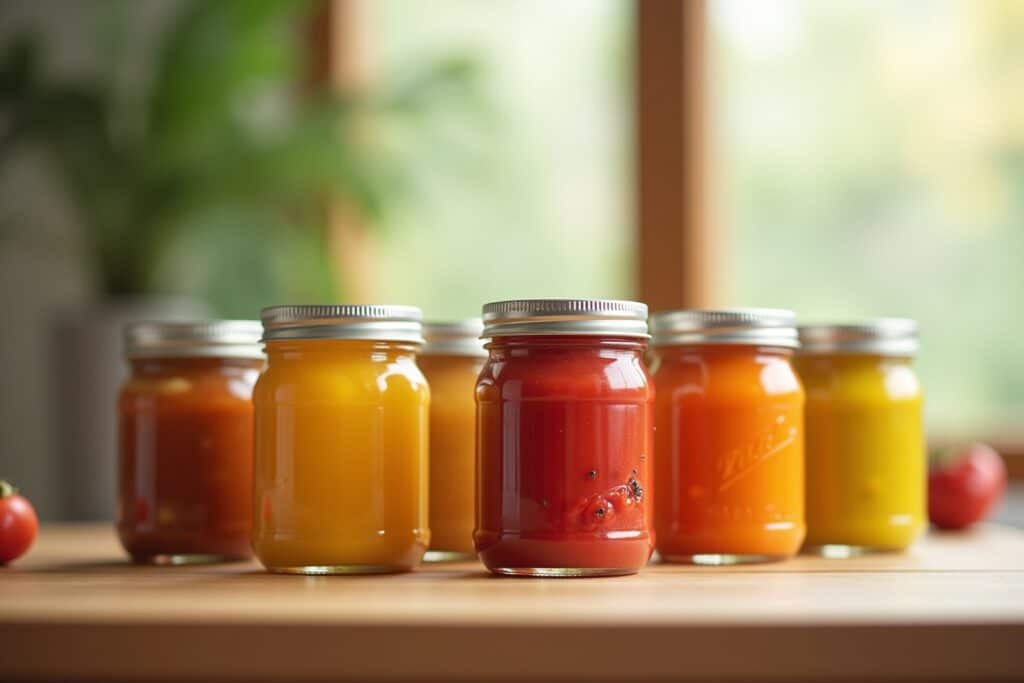
Crafting nutritious and delicious homemade baby food is a rewarding journey that ensures your little one receives the best possible start. You’re looking for simple yet effective recipes to introduce your baby to a world of flavors and textures, supporting their healthy development from the very first bite.
These are the most popular Baby cookbook products
Keine Produkte gefunden.The Foundation of Introducing Solids: What You Need to Know
Starting your baby on solid foods is a significant milestone, typically around six months of age. Before you begin, ensure your baby shows signs of readiness: they can sit up with support, hold their head steady, and show interest in food by opening their mouth when food is offered or leaning forward. Always consult with your pediatrician before introducing new foods, especially if your baby has any allergies or specific health concerns. The goal is to provide a variety of nutrient-dense options that are easy to digest and introduce common allergens one at a time.
Essential Equipment for Homemade Baby Food
Preparing baby food at home doesn’t require a vast array of specialized gadgets. Here’s what you’ll find most useful:
- Steamer: A stovetop steamer basket or an electric steamer is perfect for gently cooking fruits and vegetables, preserving their nutrients.
- Blender or Food Processor: A high-powered blender or a dedicated baby food maker will help you achieve the desired smooth purees for early stages and chunkier textures as your baby grows.
- Ice Cube Trays or Small Containers: These are invaluable for portioning and freezing purees, making it easy to thaw individual servings. Look for BPA-free options.
- Spatulas and Whisks: Basic kitchen tools are sufficient for mixing and scraping down the sides of bowls.
- Fine-Mesh Sieve: For ultra-smooth purees, especially for very young babies, a sieve can be helpful.
Understanding Texture Progression
The texture of your baby’s food should evolve with their developmental stage. Initially, you’ll focus on very smooth, thin purees. As your baby becomes more accustomed to eating and develops chewing skills, you can gradually introduce thicker purees, then mashed foods with small lumps, and eventually finely chopped soft foods.
14 Nourishing Baby Food Recipes to Inspire Your Journey
These recipes are designed to be simple, versatile, and packed with essential vitamins and minerals. Remember to adjust the consistency to your baby’s current needs.
1. Simple Sweet Potato Puree
Why it’s great: Sweet potatoes are rich in Vitamin A, Vitamin C, and fiber, making them a nutrient powerhouse and naturally sweet, which babies often love. They are also low in potential allergens.
- Wash and peel a medium sweet potato.
- Cut into uniform chunks.
- Steam until fork-tender (about 15-20 minutes).
- Puree with a little breast milk, formula, or cooled boiled water until smooth.
- Serve warm.
2. Pear and Cinnamon Puree
Why it’s great: Pears are gentle on the digestive system and provide fiber and Vitamin C. The cinnamon adds a warm, comforting flavor. Pears are also a good first fruit option.
- Wash, peel, core, and chop 2 ripe pears.
- Steam until very soft (about 10-15 minutes).
- Puree with a pinch of cinnamon and a small amount of liquid until smooth.
- Serve warm or chilled.
3. Avocado Mash
Why it’s great: Avocado is a fantastic source of healthy fats, crucial for brain development. It’s also incredibly easy to prepare and has a naturally creamy texture.
- Mash half a ripe avocado with a fork until completely smooth.
- Add a splash of breast milk or formula if needed to reach desired consistency.
- Serve immediately; avocado browns quickly.
4. Carrot and Apple Blend
Why it’s great: This combination offers Vitamin A from carrots and Vitamin C from apples, along with natural sweetness. It’s a well-balanced introduction to vegetables and fruits.
- Wash, peel, and chop 2 medium carrots and 1 apple.
- Steam carrots until tender (about 15-20 minutes). Steam apple until soft (about 10-15 minutes).
- Puree together with a little liquid until smooth.
- Serve warm.
5. Green Pea Puree
Why it’s great: Peas are a good source of vitamins K, A, and C, as well as protein and fiber. Their natural sweetness is appealing to babies.
- Steam 1 cup of fresh or frozen peas until tender (about 5-8 minutes).
- Puree with a small amount of liquid until smooth.
- If the skin is a concern, you can push the puree through a fine-mesh sieve.
- Serve warm.
6. Banana and Oat Mash
Why it’s great: Bananas offer potassium and natural sweetness, while oats provide fiber and energy. This is a filling and satisfying meal.
- Mash 1 ripe banana thoroughly with a fork.
- Cook 1 tablespoon of baby oats (or finely ground rolled oats) with 2 tablespoons of water or milk until thick.
- Combine the mashed banana and cooked oats.
- Serve immediately.
7. Butternut Squash Puree
Why it’s great: Butternut squash is another excellent source of Vitamin A and fiber. Its mild, sweet flavor is usually well-accepted by babies.
- Peel, seed, and cut 1 small butternut squash into chunks.
- Steam or roast until very tender (roasting enhances sweetness).
- Puree with a little liquid until smooth.
- Serve warm.
8. Peach and Raspberry Swirl
Why it’s great: Peaches provide Vitamin C and A, while raspberries offer antioxidants and a vibrant color. This blend introduces a slightly tarter flavor profile.
- Steam 2 ripe peaches (peeled and pitted) until soft.
- Steam a small handful of raspberries until soft.
- Puree peaches separately. Puree raspberries separately.
- Swirl the two purees together before serving or serve side-by-side.
- Serve warm or chilled.
9. Zucchini and Potato Mash
Why it’s great: Zucchini is mild and hydrating, offering Vitamin C. Potatoes add a good source of carbohydrates for energy.
- Peel and chop 1 small zucchini and 1 small potato.
- Steam until very tender (about 20-25 minutes).
- Mash together with a fork or puree with a little liquid to your desired consistency.
- Serve warm.
10. Blueberry and Millet Mash
Why it’s great: Blueberries are packed with antioxidants and Vitamin C. Millet is a gluten-free grain that provides complex carbohydrates and fiber. This is a great option for introducing a new grain.
- Cook 1/4 cup millet according to package directions, using water or milk.
- Steam 1/4 cup fresh or frozen blueberries until soft.
- Puree the cooked millet and blueberries together until smooth.
- Serve warm.
11. Lentil and Sweet Potato Stew
Why it’s great: Lentils are an excellent source of iron and protein, essential for baby’s growth. Combined with sweet potato, this is a hearty and nutrient-dense meal. Introduce legumes carefully as they can sometimes cause gas.
- Rinse 1/4 cup red lentils thoroughly.
- Combine lentils with 1/2 cup water or low-sodium vegetable broth and 1/2 cup chopped sweet potato in a pot.
- Simmer until lentils and sweet potato are very soft (about 20-25 minutes).
- Puree to your baby’s preferred consistency, adding more liquid if necessary.
- Serve warm.
12. Apple and Apricot Puree
Why it’s great: Apricots are a good source of Vitamin A and fiber, and they pair beautifully with the sweetness of apples, introducing a slightly different fruit profile.
- Wash, peel, core, and chop 1 apple and 2 ripe apricots.
- Steam until very soft (about 10-15 minutes).
- Puree together with a little liquid until smooth.
- Serve warm or chilled.
13. Broccoli and Cheddar Mash
Why it’s great: Broccoli is a powerhouse of vitamins C and K, and calcium. Adding a small amount of mild cheddar cheese provides protein and calcium, and a new flavor experience. This is a great recipe for slightly older babies ready for more textured foods.
- Steam 1 cup broccoli florets until very tender (about 10-15 minutes).
- Puree the broccoli until smooth.
- Stir in 1 tablespoon of mild cheddar cheese until melted.
- Add a splash of milk or water if needed to reach desired consistency.
- Serve warm.
14. Mango and Coconut Milk Puree
Why it’s great: Mangoes are rich in vitamins A and C, and offer a tropical sweetness. Coconut milk adds healthy fats and a delightful flavor. Ensure you use unsweetened, full-fat coconut milk.
- Peel and chop 1 ripe mango.
- Puree the mango with 1-2 tablespoons of unsweetened full-fat coconut milk until smooth.
- Serve chilled.
Introducing Common Allergens Safely
When introducing common allergens (like peanuts, eggs, dairy, soy, wheat, fish, and shellfish), it’s crucial to do so one at a time and in small amounts. Wait 2-3 days between introducing new allergens to monitor for any adverse reactions, such as rash, vomiting, diarrhea, or breathing difficulties. Consult your pediatrician for specific guidance on allergen introduction, especially if there’s a family history of allergies. For example, peanut butter can be introduced by mixing a tiny amount (e.g., 1/2 teaspoon) of smooth, natural peanut butter (ensure no added sugar or salt) into a familiar puree like sweet potato or apple sauce. Similarly, well-cooked scrambled egg yolk can be mashed and introduced.
Storing and Freezing Homemade Baby Food
Homemade baby food is best enjoyed fresh, but you can safely store and freeze it for later use. After preparing your purees, allow them to cool completely. Spoon portions into ice cube trays, cover with cling film or lids, and freeze until solid. Once frozen, transfer the cubes to a freezer-safe bag or container. Label with the contents and date. Frozen purees are typically good for 1-2 months. Thaw by leaving them in the refrigerator overnight or gently warming them on the stovetop or in a microwave-safe dish. Never refreeze thawed baby food.
Transitioning to Textures and Finger Foods
As your baby develops, you’ll notice them becoming more adept at handling different food consistencies. Around 8-10 months, you can begin offering mashed foods with small lumps and soft, bite-sized pieces that they can pick up themselves. This encourages self-feeding and fine motor skill development. Think small pieces of steamed carrots, soft cooked pasta, ripe banana slices, or small pieces of cooked chicken or fish. Always supervise your baby closely during mealtimes to prevent choking.
Nutritional Considerations for Baby Food
Focus on providing a wide variety of single-ingredient foods initially. This helps you identify potential intolerances or allergies. As your baby grows, combining different food groups becomes more important. Ensure you are offering sources of iron (like lentils, fortified cereals, and meat purees) as babies’ iron stores deplete after six months. Vitamin C-rich foods help with iron absorption. Healthy fats, found in avocado and olive oil, are vital for brain development.
Sample Baby Food Introduction Schedule (Age-Based)
This is a general guide; always adjust based on your baby’s individual pace and your pediatrician’s advice.
- 6 Months: Single-ingredient purees, very smooth consistency. Focus on vegetables like sweet potato, carrots, peas, and fruits like pear, apple, banana, avocado.
- 7-8 Months: Slightly thicker purees, mashed foods with small lumps. Introduce more variety of fruits and vegetables, pureed meats, poultry, fish, and introduce simple grains like rice or oats. Begin introducing common allergens one by one.
- 9-10 Months: Mashed and finely chopped soft foods. Offer finger foods like soft fruit pieces, cooked pasta, soft cooked vegetables, and small pieces of well-cooked proteins.
- 11-12 Months: A wider range of textures, including soft chunks and more complex meals. Continue offering a balanced diet with all food groups.
Key Takeaways for Successful Homemade Baby Food
Success in making homemade baby food comes down to simplicity, patience, and observation. You are providing your baby with the building blocks for a lifetime of healthy eating habits. Don’t be discouraged if your baby initially rejects a food; it can take multiple exposures for them to accept it. Celebrate each new flavor and texture explored!
| Recipe Category | Key Nutrients Provided | Typical Age Introduction | Texture Goal | Allergen Potential |
|---|---|---|---|---|
| Simple Vegetable Purees (e.g., Sweet Potato, Carrot, Peas) | Vitamin A, Vitamin C, Fiber, Carbohydrates | 6 Months+ | Smooth puree, becoming thicker | Low |
| Single Fruit Purees (e.g., Pear, Apple, Banana, Avocado) | Vitamins (C, K), Potassium, Healthy Fats, Fiber | 6 Months+ | Smooth puree, becoming thicker | Low (except specific sensitivities) |
| Grain-Based Foods (e.g., Oatmeal, Millet) | Complex Carbohydrates, Fiber, Iron (if fortified) | 6 Months+ (with careful introduction of gluten) | Thin porridge, becoming thicker | Moderate (Wheat, Gluten) |
| Protein Sources (e.g., Lentils, Chicken, Fish, Egg Yolk) | Iron, Protein, Omega-3 Fatty Acids (fish) | 6 Months+ (introduce allergens one at a time) | Pureed, mashed, finely minced | High (Eggs, Fish, Soy) |
| Mixed Vegetable/Fruit Combinations | Broad Spectrum of Vitamins, Minerals, Fiber | 7 Months+ (once single ingredients are tolerated) | Smooth to slightly lumpy puree | Depends on ingredients |
| Dairy & Dairy Alternatives (e.g., Yogurt, Cheese, Coconut Milk) | Calcium, Protein, Healthy Fats | 7-8 Months+ (for full-fat, unsweetened options; introduce allergens) | Smooth, creamy | High (Dairy), Moderate (Coconut) |
These are the latest Baby cookbook products with the best ratings.
Keine Produkte gefunden.FAQ – Frequently Asked Questions about 14 Baby Food Recipes
Can I use frozen fruits and vegetables for these recipes?
Absolutely. Frozen fruits and vegetables are often picked at their peak ripeness and retain most of their nutrients. They are a convenient and cost-effective option for making baby food. Ensure they are unsweetened and unseasoned before preparing them.
How do I know if my baby is ready for solids?
Your baby is likely ready for solids when they can sit up with support, have good head and neck control, show interest in food (watching you eat, reaching for food), and have lost the tongue-thrust reflex (meaning they don’t automatically push food out of their mouth with their tongue). Typically, this occurs around six months of age. Always confirm with your pediatrician.
What is the best way to store homemade baby food?
For short-term storage (1-2 days), refrigerate purees in airtight containers. For longer storage, freeze purees in ice cube trays and then transfer the frozen cubes to a freezer-safe bag or container. Properly stored homemade baby food can last for 1-2 months in the freezer.
When should I introduce common allergens like peanuts or eggs?
Current recommendations suggest introducing common allergens around 6 months of age, once your baby has tolerated a few other solid foods. It’s crucial to introduce them one at a time, in small amounts, and watch for any signs of an allergic reaction. Always discuss this with your pediatrician before starting allergen introduction.
My baby seems to be constipated. What foods can help?
Foods that are high in fiber and water content can help alleviate constipation. Pears, prunes, peaches, and peas are excellent choices. Ensuring your baby stays well-hydrated with breast milk, formula, or water (if appropriate for age) is also important.
How can I make my baby’s food more interesting as they grow?
As your baby gets used to different flavors, you can start to introduce more complex combinations and herbs and spices (in very small amounts, e.g., cinnamon, mild paprika, cumin). You can also gradually increase the texture from smooth purees to mashed foods with small lumps, and eventually to soft, finger-sized pieces.
Is it okay to add salt or sugar to my baby’s food?
No, it is not recommended to add salt or sugar to your baby’s food. Babies’ kidneys are not mature enough to handle excess salt, and added sugars contribute to unhealthy eating habits and can contribute to tooth decay. The natural flavors of fruits and vegetables are sufficient and best for their developing palates.


