
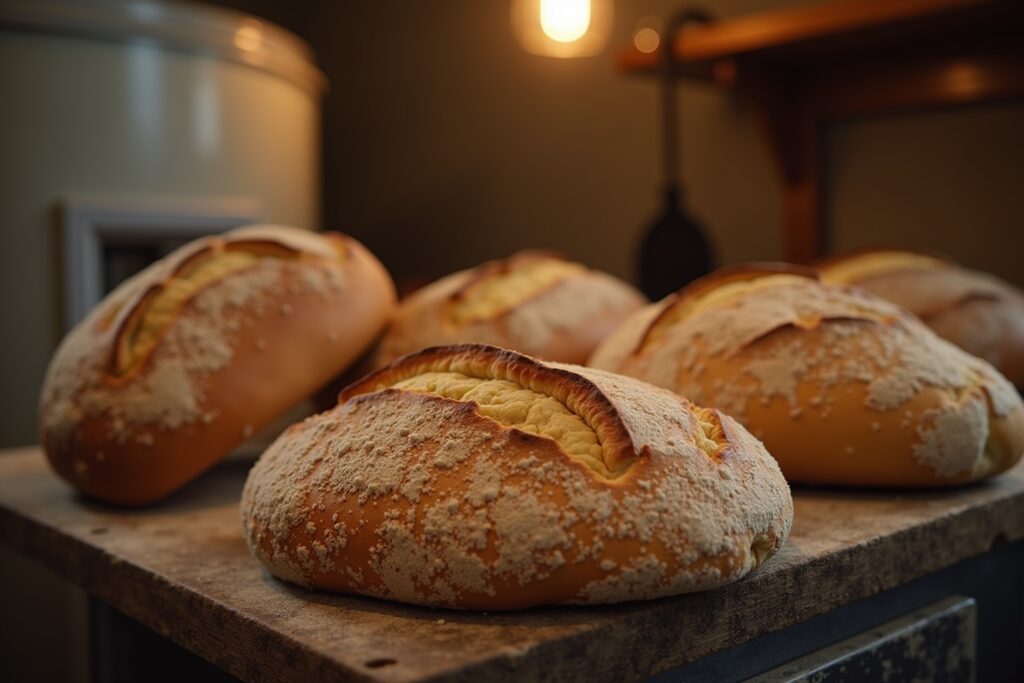
Mastering the art of yeast baking opens up a world of delicious possibilities, from crusty breads to sweet pastries. If you’re looking to elevate your home baking game, understanding the foundational recipes is key to unlocking consistent success.
These are the most popular Baking Book products
Keine Produkte gefunden.The Transformative Power of Yeast in Baking
Yeast, a living microorganism, is the magical ingredient that gives baked goods their characteristic rise, airy texture, and complex flavor. It consumes sugars in the dough and produces carbon dioxide gas, which expands, creating those beloved bubbles. Understanding how to activate, feed, and work with yeast is fundamental to achieving superior results in your baking endeavors. This guide will walk you through 15 essential yeast baking recipes that form the backbone of any baker’s repertoire, from simple focaccia to enriched brioche.
Foundational Yeast Doughs: Your Building Blocks
Before diving into specific recipes, it’s crucial to grasp the concepts behind basic yeast doughs. These are the canvases upon which you can build countless variations. The ratio of flour to liquid, the type of yeast used (active dry, instant, or fresh), and the fermentation time all play critical roles in the final product’s structure and flavor.
15 Essential Yeast Baking Recipes You Need to Master
1. Simple White Bread
This is the ultimate starting point for any aspiring bread baker. A basic white bread recipe typically involves flour, water, yeast, salt, and a touch of sugar or fat. The focus here is on developing a strong gluten network through kneading, allowing for a good rise and a tender crumb. Mastering this recipe will give you confidence in handling all other yeast doughs.
2. Whole Wheat Bread
Substituting some or all of the white flour with whole wheat flour introduces a nuttier flavor and a denser texture. Whole wheat flour contains the bran and germ of the wheat kernel, which can affect gluten development. You might find that whole wheat doughs require slightly more hydration and a longer fermentation time for optimal results.
3. Sourdough Bread
Sourdough baking relies on a wild yeast starter, a fermented mixture of flour and water containing naturally occurring yeasts and bacteria. This process imparts a distinctive tangy flavor and a chewy crust. Cultivating and maintaining a healthy sourdough starter is a rewarding journey in itself, leading to breads with unparalleled depth of flavor and character.
4. Focaccia
This Italian flatbread is known for its dimpled surface, airy interior, and crisp crust, often infused with olive oil, herbs, and coarse salt. Focaccia dough is typically wetter and requires less intensive kneading than loaf bread, allowing for a more relaxed fermentation and a rustic texture.
5. Pizza Dough
A good pizza dough is the foundation of any great pizza. Whether you prefer a thin and crispy crust or a thicker, chewier base, the principles of yeast activation and gluten development remain the same. Proper proofing is essential for achieving that signature airy edge and satisfying chew.
6. Bagels
Bagels have a unique texture – a dense, chewy interior with a slightly crisp exterior. This is achieved through a multi-step process that often includes boiling the shaped dough before baking. Boiling gelatinizes the starches on the surface, creating that distinctive chew and sheen.
7. Cinnamon Rolls
These sweet treats are a testament to the versatility of yeast dough. Enriched with butter, sugar, and eggs, cinnamon roll dough is soft and pliable. The classic filling of cinnamon and sugar, combined with a cream cheese frosting, makes them a perennial favorite.
8. Brioche
Brioche is a rich, buttery, and tender bread that borders on pastry. The high fat content (butter and eggs) requires careful incorporation to avoid inhibiting the yeast. The result is a luxurious dough that bakes into an incredibly soft and flavorful bread, perfect for French toast or simply enjoyed on its own.
9. Challah
Challah, a traditional Jewish bread, is characterized by its braided shape and rich, eggy dough. It’s often made with a touch of honey or sugar, giving it a subtle sweetness and a beautiful golden crust. The braiding technique not only adds visual appeal but also influences the bread’s structure.
10. Dinner Rolls
Soft, fluffy dinner rolls are a staple for any meal. These are typically made with enriched dough, often including milk and butter, which contributes to their tender texture and slight sweetness. They are designed to be light and airy, perfect for sopping up sauces or serving alongside a main course.
11. Enriched Dough Sweet Buns (e.g., Cardamom Buns)
Similar to cinnamon rolls but with different flavor profiles, these buns showcase how a basic enriched dough can be adapted. Ingredients like cardamom, citrus zest, or fruit preserves can transform the flavor, offering a delightful morning treat or afternoon indulgence.
12. Pretzels
The iconic shape and distinctive flavor of pretzels come from a lye bath or baking soda bath before baking. This process creates the characteristic deep brown crust and chewy interior. Mastering the shaping and dipping is key to achieving authentic pretzel results.
13. Panettone
This Italian sweet bread, typically enjoyed during the Christmas season, is a labor of love. Panettone dough is enriched with butter, eggs, and often candied fruits and raisins. It requires a long fermentation and a unique dome shape, resulting in a light, airy, and fragrant loaf.
14. Croissants
While often considered a yeasted pastry, the process of making croissants involves laminating dough with butter, creating hundreds of thin layers. This technique, combined with yeast for leavening, results in the signature flaky, buttery layers that make croissants so irresistible.
15. Doughnuts (Yeast-Raised)
Yeast-raised doughnuts are light and airy, a stark contrast to cake doughnuts. The dough is enriched and proofed before being cut and fried. They are then typically glazed, sugared, or filled, offering a delightful sweet indulgence.
Key Ingredients and Their Roles
Understanding the function of each ingredient is crucial for successful yeast baking. Here’s a breakdown of the essential components you’ll encounter:
- Flour: Provides the structure of the baked good. Different flours (bread flour, all-purpose, whole wheat) have varying protein content, affecting gluten development.
- Yeast: The leavening agent that produces carbon dioxide gas, causing dough to rise and creating an airy texture.
- Water/Liquid: Hydrates the flour, allowing gluten to develop. The temperature of the liquid is important for activating yeast.
- Salt: Enhances flavor, controls yeast activity, and strengthens the gluten structure.
- Sugar: Feeds the yeast, aids in browning, and adds sweetness.
- Fat (Butter, Oil): Tenderizes the crumb, adds richness, and contributes to flavor and crust development.
- Eggs: Add richness, color, and structure to enriched doughs.
The Science of Kneading and Fermentation
Kneading is the process of developing gluten, the protein network in flour that gives dough its elasticity and structure. It traps the carbon dioxide produced by the yeast, allowing the dough to rise. You can knead by hand or use a stand mixer.
Fermentation, or proofing, is the period where the yeast is allowed to work in the dough. During this time, the yeast consumes sugars and produces carbon dioxide, causing the dough to expand. The length of fermentation significantly impacts flavor and texture. Cold fermentation, where dough is proofed slowly in the refrigerator, can develop deeper flavors.
Equipment Essentials for Yeast Baking
While you can start with basic kitchen tools, certain equipment can greatly enhance your yeast baking experience:
- Mixing Bowls: Essential for combining ingredients and allowing dough to rise.
- Measuring Cups and Spoons: Accuracy is key in baking.
- Kitchen Scale: For precise flour and liquid measurements, especially important for consistent results.
- Bench Scraper: Useful for handling and dividing sticky dough.
- Baking Sheets and Pans: For shaping and baking your creations.
- Oven Thermometer: To ensure your oven is at the correct temperature.
- Stand Mixer with Dough Hook (Optional): Makes kneading significantly easier and faster.
Troubleshooting Common Yeast Baking Issues
Even experienced bakers encounter challenges. Here are some common problems and their solutions:
- Dough not rising: This could be due to inactive yeast (expired, water too hot/cold), insufficient proofing time, or too much salt.
- Dense bread: Often caused by under-kneading, under-proofing, or too much flour.
- Tough crust: Can result from over-baking or insufficient hydration.
- Sticky dough: Usually indicates too much liquid or insufficient kneading. Add a small amount of flour at a time until manageable.
A Summary of Essential Yeast Baking Categories
| Category | Key Characteristics | Representative Recipes | Primary Focus |
|---|---|---|---|
| Basic Leavened Breads | Focus on gluten development and single or double fermentation. | Simple White Bread, Whole Wheat Bread | Structure, Crumb, Crust |
| Enriched Doughs | Contain added fats, sugars, and eggs, resulting in a tender, softer texture. | Brioche, Challah, Cinnamon Rolls, Sweet Buns | Richness, Softness, Flavor |
| Specialty & Shaped Breads | Involve specific shaping techniques or pre-baking treatments. | Bagels, Pretzels, Panettone | Texture, Unique Flavor Profiles, Visual Appeal |
| Quick Yeast Applications | Shorter fermentation times, often used for specific dishes. | Focaccia, Pizza Dough, Doughnuts | Speed, Versatility, Immediate Consumption |
| Cultured Doughs | Utilize natural starters for complex flavor development. | Sourdough Bread | Tangy Flavor, Chewy Texture, Artisanal Qualities |
These are the latest Baking Book products with the best ratings.
Keine Produkte gefunden.FAQ – Frequently Asked Questions about 15 Essential Yeast Baking Recipes
What is the best type of yeast to use for beginners?
For beginners, instant yeast is often the easiest to work with. It can be mixed directly into dry ingredients without proofing, and it’s generally more forgiving than active dry yeast. Active dry yeast requires proofing in warm liquid first to ensure it’s alive and active.
How do I know if my yeast is still good?
To test active dry yeast, dissolve it in a small amount of warm water (around 105-115°F or 40-46°C) with a pinch of sugar. If it becomes foamy and bubbly within 5-10 minutes, it’s active. For instant yeast, check the expiration date. If unsure, the “float test” is a good indicator; if it floats and foams, it’s likely viable.
What is the ideal temperature for activating yeast?
The ideal temperature range for activating yeast is typically between 105-115°F (40-46°C) for active dry yeast and 95-105°F (35-40°C) for instant yeast when mixed with liquid. Water that is too hot can kill the yeast, while water that is too cold will not activate it properly.
Why is my bread dough so sticky?
A sticky dough can be caused by too much liquid, not enough flour, or insufficient kneading. If your dough is excessively sticky, you can add flour a tablespoon at a time during kneading until it becomes manageable. Ensure you are accurately measuring your ingredients, especially flour. Remember that different flours absorb moisture differently.
How long should I knead my dough?
The kneading time varies depending on the recipe and method. For hand-kneading, aim for 8-15 minutes until the dough is smooth, elastic, and passes the windowpane test (you can stretch a small piece thinly enough to see light through it without tearing). With a stand mixer, it typically takes 5-10 minutes on medium speed.
What is “proofing” or “fermentation” in yeast baking?
Proofing, also known as fermentation, is the period where the yeast in the dough consumes sugars and produces carbon dioxide gas. This gas gets trapped by the gluten network, causing the dough to rise and develop its characteristic texture and flavor. It’s essentially the “rising” stage of the dough.
Can I substitute milk for water in a yeast bread recipe?
Yes, you can often substitute milk for water in yeast bread recipes. Milk adds richness, tenderness, and a slight sweetness to the bread due to its fat and sugar content. You might need to adjust the liquid amount slightly, as milk can sometimes be absorbed differently than water.


