
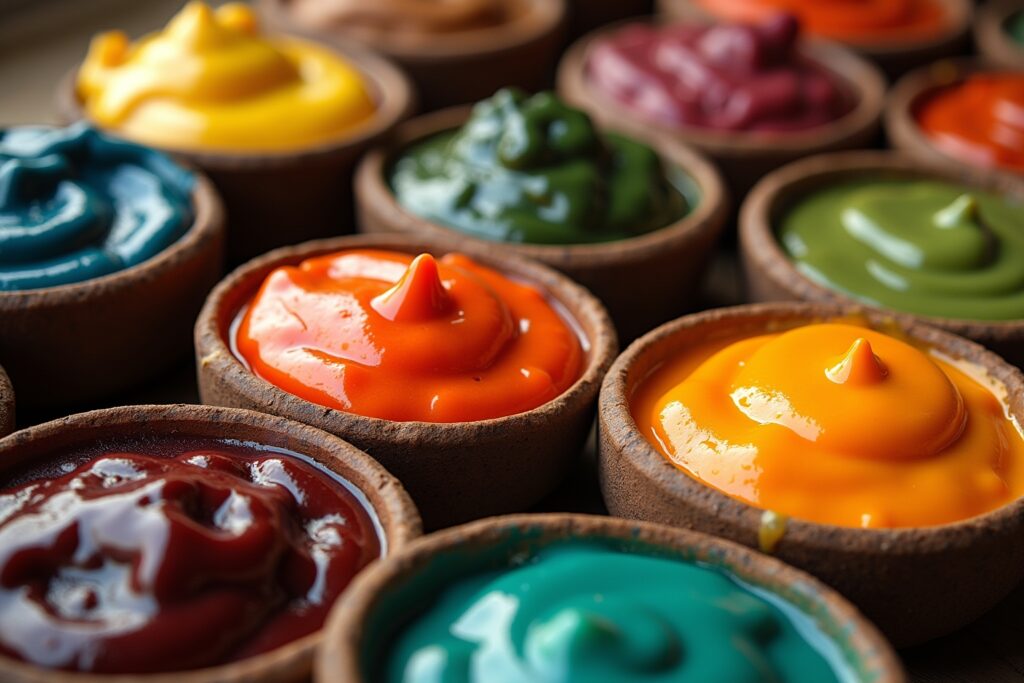
Elevate your baked goods and culinary creations with a diverse range of glaze recipes tailored to suit every palate. Discover how the right glaze can transform a simple cake, cookie, or pastry into a showstopping delight, adding both visual appeal and complementary flavors.
These are the most popular Glaze Recipes products
Keine Produkte gefunden.Understanding the Essence of Glazes
A glaze is a liquid or semi-liquid coating applied to food, typically baked goods, to provide a shiny finish, add sweetness, and enhance flavor. Unlike frosting, which is usually thicker and more substantial, glazes are generally thinner and designed to set into a delicate, often glossy layer. The art of glazing lies in achieving the perfect consistency and flavor profile that harmonizes with the item it adorns.
Fundamental Glaze Ingredients and Their Roles
The foundation of most glazes is a sweetener, most commonly powdered sugar (also known as confectioners’ sugar or icing sugar). Its fine texture dissolves easily and creates a smooth consistency. Liquids are essential for dissolving the sugar and controlling the glaze’s thickness. Common choices include:
- Milk: Provides a creamy richness and a slightly opaque finish.
- Water: The simplest liquid, offering a clean, clear finish.
- Fruit Juices (e.g., lemon, orange, berry): Impart vibrant flavors and often a subtle color. Using fresh juices will yield the best results.
- Extracts (e.g., vanilla, almond, citrus): Add concentrated aromas and complementary taste notes.
- Melted Butter: Contributes a rich, buttery flavor and a slightly softer set.
- Liquids like coffee or liqueurs: Introduce complex flavor profiles for more sophisticated desserts.
Flavorings are where you can truly personalize your glazes. Beyond the liquids mentioned, consider:
- Zest: The outer peel of citrus fruits adds a bright, aromatic punch without excess liquid.
- Spices: Cinnamon, nutmeg, cardamom, or even a pinch of cayenne can add warmth and complexity.
- Cocoa Powder: For rich chocolate glazes. Ensure it’s unsweetened for better control over sweetness.
- Matcha Powder: For an earthy, vibrant green tea glaze.
- Cream Cheese or Mascarpone: Can be whipped into glazes for a tangier, richer finish.
Classic Glaze Recipes for Every Occasion
Here are some versatile glaze recipes that form the backbone of many dessert preparations. You can adapt these as starting points for your own unique creations.
Simple Powdered Sugar Glaze
This is the most basic and adaptable glaze, perfect for cookies, donuts, and quick breads.
- Ingredients: 1 cup powdered sugar, 2-3 tablespoons milk (or water, or juice), 1/2 teaspoon vanilla extract (optional).
- Instructions: Sift powdered sugar into a bowl. Gradually whisk in the liquid, one tablespoon at a time, until you reach your desired consistency. Stir in vanilla extract if using. Drizzle over cooled baked goods.
Citrus Glazes
These bright and zesty glazes cut through richness and add a refreshing element.
Lemon Glaze
- Ingredients: 1 cup powdered sugar, 2-3 tablespoons fresh lemon juice, 1/4 teaspoon lemon zest (optional).
- Instructions: Combine powdered sugar and lemon juice. Whisk until smooth, adding more juice or sugar as needed to achieve a drizzling consistency. Stir in zest if desired.
Orange Glaze
- Ingredients: 1 cup powdered sugar, 2-3 tablespoons fresh orange juice, 1/4 teaspoon orange zest (optional).
- Instructions: Similar to the lemon glaze, substitute orange juice and zest for a warm, sweet citrus flavor.
Chocolate Glazes
Indulge in the rich decadence of chocolate with these easy-to-make glazes.
Basic Chocolate Glaze
- Ingredients: 1 cup powdered sugar, 1/4 cup unsweetened cocoa powder, 2-3 tablespoons milk (or water), 1 tablespoon melted butter (optional), 1/2 teaspoon vanilla extract.
- Instructions: Sift powdered sugar and cocoa powder together. Gradually whisk in the liquid and melted butter (if using) until smooth. Stir in vanilla. Adjust consistency with more liquid or sugar.
Dark Chocolate Ganache Glaze
While technically a ganache, when thinned appropriately, it functions beautifully as a glaze.
- Ingredients: 1/2 cup heavy cream, 4 oz (115g) good quality dark chocolate (chopped).
- Instructions: Heat heavy cream in a small saucepan until just simmering. Pour over chopped chocolate in a heatproof bowl. Let sit for 5 minutes, then whisk until smooth and glossy. Let cool slightly until it reaches a drizzling consistency.
Cream Cheese Glazes
The tang of cream cheese adds a sophisticated dimension to sweet baked goods like carrot cake and red velvet.
- Ingredients: 4 oz (115g) cream cheese, softened, 1/4 cup unsalted butter, softened, 1 teaspoon vanilla extract, 1 1/2 – 2 cups powdered sugar, 1-2 tablespoons milk.
- Instructions: Beat softened cream cheese and butter until smooth and creamy. Stir in vanilla extract. Gradually add powdered sugar, alternating with milk, until the glaze reaches your desired thickness and sweetness.
Coffee & Spiced Glazes
For those who appreciate more complex flavor profiles.
Coffee Glaze
- Ingredients: 1 cup powdered sugar, 2-3 tablespoons strong brewed coffee (cooled), 1/2 teaspoon coffee extract (optional).
- Instructions: Whisk together powdered sugar and cooled coffee until smooth. Add coffee extract if using for a more intense coffee flavor.
Cinnamon Spice Glaze
- Ingredients: 1 cup powdered sugar, 2 tablespoons milk, 1/2 teaspoon ground cinnamon, pinch of nutmeg, pinch of ground cloves (optional).
- Instructions: Combine all ingredients and whisk until smooth. Adjust consistency as needed.
Creating the Perfect Glaze Consistency
The thickness of your glaze is crucial for how it applies and sets. This is primarily controlled by the ratio of liquid to powdered sugar.
- Thicker Glaze: Use less liquid. This is ideal for thicker coatings that won’t drip excessively, good for cookies or the first layer on a cake.
- Thinner Glaze: Use more liquid. This creates a pourable or drizzle-able consistency, perfect for donuts or delicate pastries.
- Achieving the right consistency: Always add the liquid gradually. You can always add more liquid to thin a glaze, but it’s harder to thicken a glaze once it’s too thin without adding more sugar, which can alter the flavor and texture.
Tips for Applying Glazes
How and when you apply your glaze can make a significant difference in the final presentation.
- Cooling is Key: For most baked goods, allow them to cool completely before glazing. Warm items will cause the glaze to melt and absorb, leading to a dull finish and potential sogginess.
- Even Distribution: Use a spoon or offset spatula to spread the glaze evenly. For a more rustic look, simply drizzle or pour the glaze and let it drip naturally.
- Dipping: For items like donuts or madeleines, you can dip the tops directly into the glaze. Ensure you have enough glaze in a shallow dish for this.
- Multiple Layers: For a more opaque and polished look, allow the first layer of glaze to set slightly before applying a second.
- Decorations: Glazes provide an excellent base for sprinkles, chopped nuts, chocolate shavings, or edible glitter. Apply these immediately after glazing, while the glaze is still wet.
Glazing Beyond Baked Goods
The principles of glazing extend to other culinary applications.
- Fruits: A light fruit glaze can add a beautiful sheen and sweetness to fresh fruit platters or grilled fruits.
- Savory Applications: While less common, glazes can be used in savory cooking, for instance, a honey-soy glaze for roasted vegetables or a balsamic glaze for meats and salads. These often involve reducing liquids with sweeteners and flavorings.
Troubleshooting Common Glaze Issues
Even experienced bakers can encounter problems. Here are solutions to common glaze dilemmas.
- Glaze too thick: Gradually whisk in a tiny amount of additional liquid (milk, juice, or water) until you reach the desired consistency.
- Glaze too thin: Gradually whisk in more sifted powdered sugar, a tablespoon at a time, until it thickens.
- Glaze is lumpy: Ensure your powdered sugar is sifted to remove clumps. If it’s still lumpy, try pushing the glaze through a fine-mesh sieve.
- Glaze is not shiny: This can happen if too much liquid is used, or if a fat-free liquid like water is used when milk or butter would have provided more sheen. Adding a tiny amount of corn syrup (about 1/2 teaspoon per cup of glaze) can enhance shine.
| Glaze Category | Primary Flavor Profile | Typical Uses | Key Ingredients | Best For |
|---|---|---|---|---|
| Simple Sweet | Pure sweetness, subtle vanilla | Cookies, brownies, quick breads, simple cakes | Powdered sugar, milk/water, vanilla | Everyday baking, quick desserts |
| Bright Citrus | Tangy, refreshing, zesty | Lemon bars, poppy seed cakes, scones, muffins | Powdered sugar, fruit juice (lemon, orange, lime), zest | Morning pastries, light desserts |
| Rich Chocolate | Deep cocoa, sweet chocolate | Chocolate cakes, cupcakes, brownies, donuts | Powdered sugar, cocoa powder, milk/butter, chocolate (for ganache) | Desserts for chocolate lovers |
| Creamy Tangy | Slightly tart, rich, smooth | Carrot cake, red velvet cake, spice cakes, cinnamon rolls | Cream cheese, butter, powdered sugar, vanilla | Classic comforting cakes and pastries |
| Aromatic & Complex | Coffee, spice, boozy notes | Coffee cakes, gingerbread, spiced cookies, adult treats | Powdered sugar, coffee, spices, liqueurs, extracts | Sophisticated baked goods, seasonal treats |
Exploring Advanced Glaze Techniques
Once you’ve mastered the basics, you can explore more intricate glazing methods.
- Mirror Glazes: These advanced glazes, often made with gelatin, condensed milk, white chocolate, and food coloring, create a perfectly smooth, highly reflective surface. They are commonly used on mousse cakes and entremets.
- Royal Icing: While often used for intricate piping and creating hard, dry decorations, a thinned royal icing can also serve as a glaze, providing a very crisp, opaque finish. It typically contains powdered sugar, egg whites (or meringue powder), and a small amount of liquid.
- Fondant Glazes: Fondant itself is a pliable icing, but it can be melted or thinned with water or corn syrup to create a pourable glaze that sets with a smooth, matte finish.
The Role of Glazes in Flavor Synergy
A well-chosen glaze doesn’t just sit on top; it actively contributes to the overall flavor experience. Consider the following:
- Contrast: A tangy lemon glaze can beautifully cut through the richness of a buttery pound cake.
- Complement: A warm cinnamon spice glaze enhances the flavors in a gingerbread cookie.
- Enhancement: A simple vanilla glaze allows the inherent flavor of a delicate vanilla bean cake to shine through.
- Surprise: A hint of chili in a chocolate glaze can add an unexpected but delightful complexity.
Customizing Glazes for Dietary Needs
Adapting glazes for specific dietary requirements is straightforward.
- Vegan Glazes: Substitute plant-based milk (almond, soy, oat) or water for dairy milk. Ensure any added butter is replaced with vegan butter or coconut oil.
- Gluten-Free Glazes: Most basic glazes are naturally gluten-free as they rely on sugar and liquids. Always check the ingredients of any specialty extracts or flavorings.
- Lower Sugar Glazes: While challenging without altering texture significantly, you can reduce the sugar content slightly or experiment with sugar substitutes approved for baking, understanding that taste and set may vary.
These are the latest Glaze Recipes products with the best ratings.
Keine Produkte gefunden.These are the latest Glaze Recipes products with the best ratings.
Keine Produkte gefunden.FAQ – Frequently Asked Questions about Vielfältige glaze recipes für jeden Geschmack
What is the difference between a glaze and frosting?
The primary difference lies in consistency and composition. Frosting is typically thicker, often made with butter, cream cheese, or shortening and powdered sugar, and is designed to be spreadable and hold its shape. Glazes are thinner, more liquid, and are usually poured or drizzled, creating a shiny coating that sets but is not typically fluffy or used for piping intricate designs.
How can I make my glaze shiny?
To achieve a shiny glaze, use high-quality ingredients and the correct liquid-to-sugar ratio. Incorporating a small amount of corn syrup (about 1/2 teaspoon per cup of glaze) can significantly enhance shine due to its properties of inhibiting crystallization. Using milk or a small amount of melted butter can also contribute to a glossy finish.
Can I make glazes ahead of time?
Yes, most simple powdered sugar-based glazes can be made a day in advance and stored in an airtight container at room temperature. They may thicken over time, so you might need to whisk in a little more liquid before using them. Chocolate ganache glazes are best made closer to when you plan to use them, as their consistency is temperature-dependent.
What is the best way to apply glaze to cookies?
For cookies, it’s often best to let them cool completely. You can then either dip the tops of the cookies into a shallow dish of glaze or use a spoon or piping bag to drizzle or spread the glaze over the surface. Apply decorative elements like sprinkles immediately after glazing.
How do I thicken a glaze that is too runny?
If your glaze is too thin, the easiest way to thicken it is by gradually adding more sifted powdered sugar, a tablespoon at a time, whisking thoroughly after each addition until you reach your desired consistency. Ensure the powdered sugar is sifted to avoid lumps.
Can I use different types of sugar in glazes?
For most traditional glazes, powdered sugar (confectioners’ sugar) is essential because its fine particles dissolve smoothly. Granulated sugar will result in a gritty texture. While some specialty glazes might incorporate small amounts of other sugars for specific effects, powdered sugar is the standard for smooth, quick-setting glazes.
How can I color my glazes naturally?
You can achieve natural colors using fruit purees or juices (like raspberry for pink, blueberry for purple, mango for yellow), matcha powder for green, or cocoa powder for brown. For vibrant colors, consider using vegetable powders like beet powder or spirulina, though be mindful that some can impart subtle flavors.


