
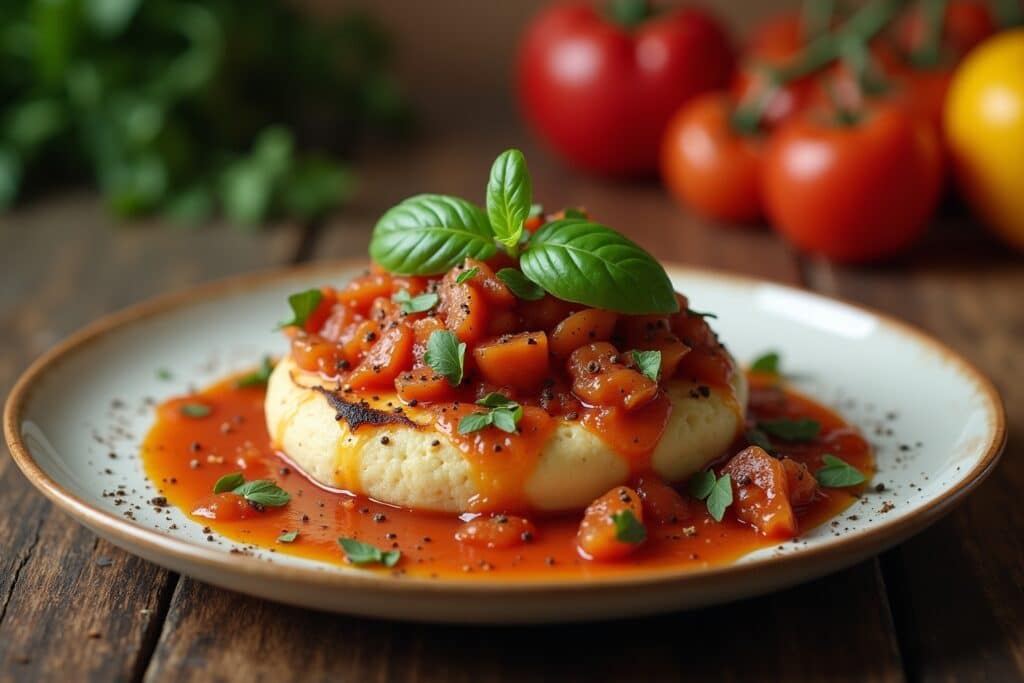
You’re searching for recipes that don’t just satisfy hunger but create lasting memories around your table. Discovering dishes that truly stand out and become cherished favorites is the goal of every home cook and culinary enthusiast.
These are the most popular Cookbook products
Keine Produkte gefunden.The Essence of Unforgettable Tasty Recipes
Unforgettable tasty recipes are more than just a list of ingredients and instructions; they are an experience. They evoke emotions, bring people together, and leave a lasting impression long after the last bite. The magic lies in a harmonious blend of flavor, aroma, texture, and presentation, all coming together to create a culinary moment worth repeating.
Flavor Profiles That Captivate
At the heart of any unforgettable recipe is a masterful interplay of flavors. This involves understanding the fundamental taste sensations – sweet, sour, salty, bitter, and umami – and how they can be balanced and enhanced. A well-crafted dish will often offer layers of flavor that unfold with each bite, surprising and delighting your palate.
- Umami Boost: Incorporating ingredients rich in umami, such as aged cheeses, mushrooms, soy sauce, or tomatoes, can add a profound depth of flavor that makes dishes incredibly satisfying.
- Acidity as a Counterpoint: A touch of acidity from lemon juice, vinegar, or even pickled elements can cut through richness, brighten flavors, and create a more vibrant taste profile.
- Sweetness and Spice Harmony: The delicate balance between sweetness and spice is crucial. A hint of chili can elevate sweetness, while a touch of honey can round out spicy notes.
- Aromatic Herbs and Spices: Fresh herbs like basil, cilantro, and mint, or warming spices such as cinnamon, cumin, and cardamom, infuse dishes with intoxicating aromas that are intrinsically linked to taste.
Texture: The Unsung Hero
Texture plays a vital role in the overall eating experience. A recipe that offers a variety of textures – creamy, crunchy, chewy, tender – is far more engaging than one that is uniformly soft. The contrast in textures can enhance the perception of flavor and make each mouthful more interesting.
- Crispy Elements: Think about adding a crunchy topping like toasted nuts, crispy fried onions, or croutons to salads, soups, or baked dishes.
- Creamy Delights: Incorporate smooth, velvety textures through purees, rich sauces, or creamy dairy components like yogurt or mascarpone.
- Tender Juiciness: Properly cooked meats and vegetables that are tender and succulent contribute significantly to a satisfying bite.
- Satisfying Chew: Chewy components, such as al dente pasta, perfectly baked bread, or certain types of grains, add another dimension to the mouthfeel.
Aroma: The Scent of Memory
Aromas have a powerful connection to memory and emotion. The enticing smell of baking bread, roasting garlic, or simmering spices can instantly transport you to a happy place and set the stage for a delicious meal. Recipes that engage the sense of smell are inherently more memorable.
- Roasting and Caramelization: The Maillard reaction during roasting and caramelization creates complex, deeply satisfying aromas.
- Fresh Herbs: Bruising or chopping fresh herbs releases their volatile oils, filling the air with vibrant, fresh scents.
- Toasting Spices: Gently toasting whole spices before grinding them intensifies their aroma and releases their full flavor potential.
- Simmering Liquids: Slow-cooked stews, broths, and sauces release comforting and complex aromas as they simmer.
Presentation: The Visual First Impression
We eat with our eyes first. A beautifully presented dish can significantly enhance your anticipation and enjoyment. While elaborate plating isn’t always necessary, thoughtful arrangement and appealing garnishes can elevate a simple meal into something special.
- Color Contrast: Incorporate a variety of colorful ingredients to make your dish visually appealing. Think vibrant vegetables, fresh herbs, or a drizzle of colorful sauce.
- Garnishes: A sprinkle of fresh parsley, a swirl of cream, a dusting of paprika, or a few edible flowers can add a professional touch.
- Layering: In dishes like salads or layered desserts, thoughtful layering can create visual interest and a sense of anticipation for what lies beneath.
- Clean Plates: Wiping the rim of your plate before serving ensures a clean and polished presentation.
Categories of Unforgettable Tasty Recipes
To better understand the landscape of memorable dishes, we can categorize them based on their impact and characteristics. These categories highlight the diverse ways a recipe can become truly unforgettable.
| Recipe Category | Key Characteristics | Why It’s Unforgettable | Examples |
|---|---|---|---|
| Comfort Classics | Nostalgic flavors, familiar ingredients, often rich and hearty, evoke a sense of warmth and security. | Connects with personal history and positive childhood memories; provides deep satisfaction and emotional grounding. | Grandma’s Apple Pie, Shepherd’s Pie, Classic Lasagna, Macaroni and Cheese |
| Celebration Showstoppers | Impressive presentation, often more complex techniques, luxurious ingredients, designed for special occasions. | Creates a sense of occasion and luxury; marks important milestones and celebrations with culinary excellence. | Beef Wellington, Lobster Bisque, Multi-tiered Chocolate Cake, Roasted Duck |
| Global Flavor Adventures | Authentic spices and herbs, unique ingredient combinations, introduces diners to new culinary traditions. | Expands culinary horizons and introduces exciting new taste experiences; offers a journey through different cultures. | Thai Green Curry, Moroccan Tagine, Mexican Mole Poblano, Japanese Ramen |
| Quick & Clever Weeknight Wonders | Minimal ingredients, simple steps, rapid preparation time, surprisingly complex flavors for the effort. | Delivers delicious results without significant time commitment; proves that flavor and speed can coexist. | One-Pan Lemon Herb Roasted Chicken and Vegetables, Spicy Garlic Shrimp Pasta, Sheet Pan Sausage and Peppers |
| Healthy Indulgences | Focus on fresh, wholesome ingredients, balanced nutrition, satisfying without being heavy, often vibrant and colorful. | Offers guilt-free enjoyment; demonstrates that healthy food can be incredibly flavorful and satisfying. | Quinoa Salad with Roasted Vegetables and Lemon Vinaigrette, Baked Salmon with Asparagus, Lentil Soup with Root Vegetables |
Key Elements That Elevate a Recipe
Several factors contribute to a recipe’s ability to transcend the ordinary and become unforgettable. Understanding these elements allows you to consciously incorporate them into your cooking.
Ingredient Quality Matters
The foundation of any great dish is the quality of its ingredients. Using fresh, seasonal produce, high-quality proteins, and premium pantry staples will always result in superior flavor. Don’t underestimate the impact of a perfectly ripe tomato or a fragrant bunch of herbs.
The Power of Technique
Proper cooking techniques are essential for unlocking the full potential of ingredients. Whether it’s the precise temperature for searing a steak, the gentle simmer for a delicate sauce, or the correct kneading for bread, mastering these techniques ensures optimal texture and flavor development.
- Searing: Creates a flavorful crust on meats through high-heat Maillard reactions.
- Braising: Tenderizes tougher cuts of meat by slow-cooking in liquid, infusing them with flavor.
- Emulsification: Creates stable sauces and dressings by combining ingredients that normally don’t mix, like oil and water.
- Deglazing: Using liquid to lift browned bits from the bottom of a pan after cooking, adding depth to sauces.
Seasoning: The Art of Balance
Seasoning is not just about adding salt. It’s about understanding how to layer flavors using salt, pepper, acids, spices, and herbs to achieve a harmonious balance. Taste and adjust throughout the cooking process – this is non-negotiable for truly memorable dishes.
- Salt: Enhances all other flavors and should be used judiciously at different stages.
- Pepper: Adds a subtle warmth and pungency. Freshly ground pepper offers a more complex flavor profile.
- Acids: Lemon juice, vinegar, or wine can brighten flavors and cut through richness.
- Sweeteners: A touch of sugar, honey, or maple syrup can balance bitterness or acidity.
The Role of Fat
Fat is not the enemy; it’s a crucial flavor carrier and contributes significantly to texture and mouthfeel. Whether it’s butter, olive oil, cream, or animal fat, the right kind and amount of fat can transform a good dish into a great one.
- Butter: Adds richness, depth, and a delicate aroma.
- Olive Oil: Provides fruity notes and is essential for many Mediterranean dishes.
- Animal Fats: Rendered fats from meats can add unparalleled flavor and crispness.
- Dairy Fats: Cream, cheese, and yogurt contribute creaminess and luxuriousness.
Patience and Love
Sometimes, the most unforgettable recipes are those that require time and care. Slow-cooked stews, long-fermented doughs, or dishes prepared with intention and a sense of tradition can yield exceptional results. Cooking with patience and a genuine desire to create something delicious is a secret ingredient in itself.
Crafting Your Own Unforgettable Recipes
Developing your own signature dishes that your loved ones will always remember is a rewarding culinary journey. It involves experimentation, learning from others, and understanding the principles of good cooking.
Start with Solid Foundations
Begin by mastering classic recipes. Understanding the fundamentals of a perfect roast chicken, a flavorful tomato sauce, or a well-risen loaf of bread will provide you with the building blocks to create more complex and personalized dishes.
Experiment with Variations
Once you’re comfortable with a recipe, don’t be afraid to put your own spin on it. Swap out herbs, introduce new spices, or try a different cooking method. Keep notes on what works and what doesn’t.
Seek Inspiration Widely
Look to cookbooks, culinary magazines, food blogs, and even travel for inspiration. Pay attention to flavor combinations and techniques that intrigue you. Consider the culinary traditions of different cultures.
Understand Your Audience
What are the preferences of the people you cook for? Do they have dietary restrictions or allergies? Tailoring your recipes to their tastes and needs will make them even more special and memorable for them.
Don’t Fear Failure
Not every experiment will be a resounding success, and that’s perfectly fine. Cooking is a learning process. Each attempt, successful or not, provides valuable insights that will help you refine your skills and develop your palate.
These are the latest Cookbook products with the best ratings.
Keine Produkte gefunden.FAQ – Frequently Asked Questions about Unforgettable Tasty Recipes
What makes a recipe truly “unforgettable”?
An unforgettable recipe is one that consistently delights your senses with a harmonious balance of flavors, appealing textures, and enticing aromas. It often evokes positive emotions, creates lasting memories, and leaves you craving it long after the meal is finished.
How can I ensure my dishes have deep, satisfying flavors?
Focus on building layers of flavor by using high-quality ingredients, employing proper cooking techniques like searing and deglazing, and judiciously seasoning with salt, acids, herbs, and spices throughout the cooking process. Don’t be afraid to incorporate umami-rich ingredients.
Is it important to use expensive ingredients for unforgettable recipes?
Not necessarily. While high-quality ingredients certainly enhance flavor, creativity and technique can elevate even simple ingredients into something extraordinary. The freshness and seasonality of your produce, for instance, can make a significant difference.
How can I improve the texture of my food?
Pay attention to the interplay of textures. Incorporate elements that offer contrast, such as crunchy toppings on creamy dishes, or tender, juicy meats alongside crisp vegetables. Mastering techniques like roasting for crispiness or slow-cooking for tenderness is key.
What is the role of aroma in making a recipe unforgettable?
Aromas are powerful triggers for memory and emotion. Enticing smells, whether from roasting spices, fresh herbs, or simmering broths, create anticipation and enhance the overall sensory experience of eating, making the dish more memorable.
How can I make my home-cooked meals look as good as they taste?
Presentation matters. Use colorful ingredients, thoughtful garnishes like fresh herbs or drizzles of sauce, and arrange food appealingly on the plate. Even simple steps like wiping the rim of the plate can elevate the visual appeal.
Should I always follow a recipe exactly, or can I experiment?
Once you understand the core principles of a recipe, experimentation is encouraged. Swapping ingredients, adjusting spices, or trying different techniques can lead to your own unique and unforgettable creations. However, for complex baking recipes, precision is often more critical.


