
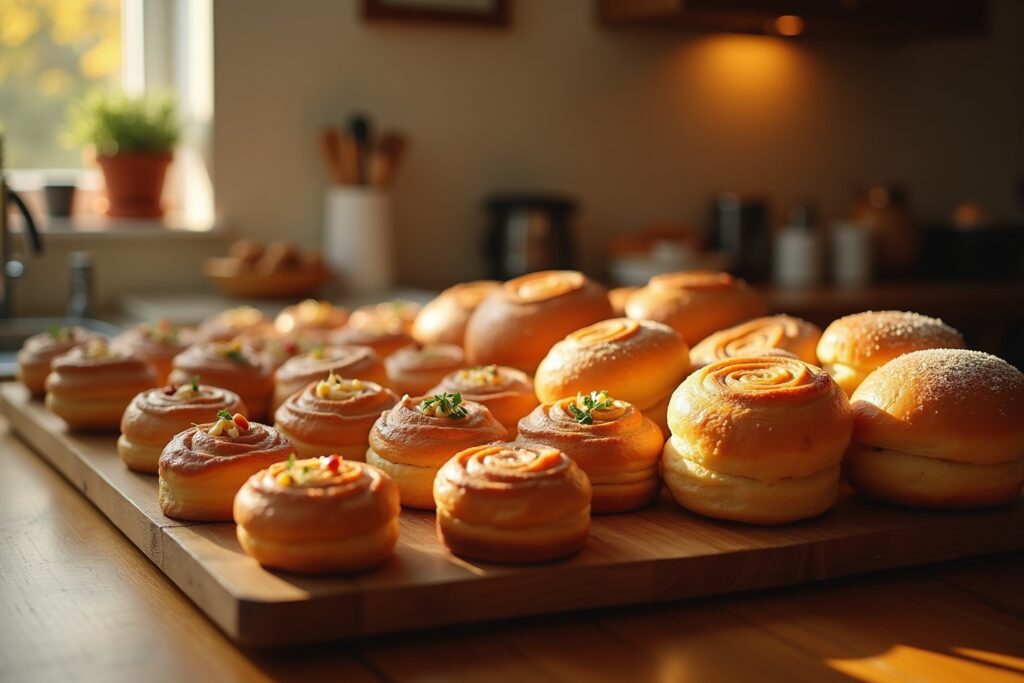
Unlock the secrets to creating impressive pastries with confidence by mastering these 13 accessible recipes, designed for bakers of all levels. Whether you’re a beginner looking to elevate your home baking game or an experienced cook seeking new repertoire, these foundational pastry techniques will empower you to craft delightful treats that impress.
These are the most popular Pastry Book products
Keine Produkte gefunden.The Foundation: Understanding Essential Pastry Doughs
Before diving into specific recipes, understanding the core principles behind different pastry doughs is crucial for success. Each dough has unique characteristics that determine its texture, flakiness, and how it behaves during baking. Mastering these basics will provide a solid foundation for all your future pastry endeavors.
Shortcrust Pastry
Shortcrust pastry is the workhorse of the baking world, forming the base for countless pies, tarts, and quiches. Its name comes from the high proportion of fat to flour, which inhibits gluten development, resulting in a tender and crumbly texture. The key to a good shortcrust is minimal handling and keeping ingredients cold.
- Ingredients: Flour, cold butter (or lard), salt, ice water.
- Technique: Rubbing the fat into the flour until it resembles breadcrumbs, then gradually adding ice water until the dough just comes together.
- Common Uses: Fruit pies, savory tarts, quiches, mince pies.
Puff Pastry
Puff pastry is renowned for its incredibly light, flaky layers that puff up dramatically when baked. This is achieved through a meticulous process of laminating the dough, which involves repeatedly folding and rolling butter into the dough. While it requires patience, the result is a spectacular texture that’s unparalleled.
- Ingredients: Flour, butter, water, salt.
- Technique: Creating a dough block and a butter block, then repeatedly encasing the butter in the dough and folding it (a process called “turning”).
- Common Uses: Croissants, Danish pastries, vol-au-vents, millefeuille, sausage rolls.
Choux Pastry (Pâte à Choux)
Choux pastry is unique because it’s cooked on the stovetop before baking. This process gelatinizes the starch in the flour, allowing the dough to expand significantly in the oven, creating hollow shells perfect for fillings. It’s the base for classic eclairs, cream puffs, and gougères.
- Ingredients: Water (or milk), butter, flour, eggs, salt.
- Technique: Boiling water and butter, then stirring in flour to form a thick paste. Eggs are beaten in one by one off the heat until a smooth, glossy dough forms.
- Common Uses: Eclairs, cream puffs (profiteroles), churros, gougères (savory cheese puffs).
Flaky Pastry (Rough Puff)
A simpler alternative to classic puff pastry, flaky pastry achieves a good degree of lightness and layers through a less precise folding method. It’s a great option when you want a lighter texture than shortcrust but don’t have the time for full puff pastry.
- Ingredients: Flour, cold butter, cold water, salt.
- Technique: Cutting butter into flour, then adding water to form a dough, followed by a few simple folds and rolls.
- Common Uses: Apple turnovers, cheese straws, topping for pies.
13 Easy Pastry Recipes to Master
Now that you have a grasp of the foundational doughs, let’s explore 13 accessible recipes that will build your pastry skills and impress your friends and family.
1. Perfect Shortcrust Pie Base
This recipe focuses on achieving a tender, golden-brown shortcrust that’s perfect for any pie filling. The key is to work quickly and keep everything cold to prevent the butter from melting too early.
- Dough Type: Shortcrust Pastry
- Difficulty: Easy
- Key Technique: Proper fat incorporation and minimal kneading.
2. Classic Apple Turnovers
Utilizing flaky pastry, these apple turnovers are a delightful way to practice handling a laminated dough with less fuss. The sweet apple filling is encased in crisp, buttery layers.
- Dough Type: Flaky Pastry (Rough Puff)
- Difficulty: Easy
- Key Technique: Simple folding and shaping of the flaky dough.
3. Simple Cream Puffs (Profiteroles)
Mastering choux pastry is incredibly rewarding, and these cream puffs are a fantastic starting point. The light, airy shells are perfect for filling with whipped cream or pastry cream.
- Dough Type: Choux Pastry
- Difficulty: Medium
- Key Technique: Correctly cooking the dough on the stovetop and piping the shape.
4. Speedy Sausage Rolls
A beloved classic, these sausage rolls are typically made with ready-made puff pastry for ultimate ease, though using homemade flaky pastry offers superior flavor and texture. They are perfect for snacks or party appetizers.
- Dough Type: Puff Pastry (store-bought or homemade flaky)
- Difficulty: Easy
- Key Technique: Wrapping the sausage meat neatly and scoring the top.
5. Rustic Fruit Galette
A galette is a free-form tart, meaning it’s forgiving and requires no special tart tin. A simple shortcrust dough is folded around a fruit filling, creating an elegant yet simple dessert.
- Dough Type: Shortcrust Pastry
- Difficulty: Easy
- Key Technique: Free-form shaping and folding the dough edges.
6. Easy Chocolate Eclairs
Building on your choux pastry skills, eclairs take the concept further with their elongated shape and decadent chocolate glaze. They are impressive and surprisingly achievable.
- Dough Type: Choux Pastry
- Difficulty: Medium
- Key Technique: Piping the correct shape and ensuring the shells are fully baked and hollow.
7. Individual Mince Pies
A quintessential British Christmas treat, these individual pies use a firm shortcrust pastry to hold the rich mincemeat filling. They’re perfect for making ahead and baking when needed.
- Dough Type: Shortcrust Pastry
- Difficulty: Easy
- Key Technique: Cutting out pastry rounds and crimping the edges.
8. Savory Cheese Straws
These addictive snacks are a testament to how versatile flaky pastry can be. Made with just a few ingredients, they offer a satisfying crunch and cheesy flavor.
- Dough Type: Flaky Pastry (Rough Puff)
- Difficulty: Easy
- Key Technique: Twisting or cutting strips before baking.
9. Simple Lemon Tart
A bright and tangy lemon tart with a crisp shortcrust base. The curd-like filling is easy to whisk together and bakes to a lovely smooth texture.
- Dough Type: Shortcrust Pastry
- Difficulty: Easy
- Key Technique: Blind baking the crust to ensure it’s crisp.
10. Mini Quiches
These bite-sized quiches are ideal for parties or as a light lunch. They use a shortcrust pastry shell filled with a simple egg, cream, and your choice of fillings.
- Dough Type: Shortcrust Pastry
- Difficulty: Easy
- Key Technique: Pressing pastry into mini muffin tins and pre-baking slightly.
11. Baked Alaska (Simplified)
While it sounds complex, a simplified Baked Alaska can be a showstopper. It involves a sponge cake base, ice cream, and a meringue topping that’s briefly torched or baked to create a beautiful crust.
- Dough Type: Sponge Cake Base (not a traditional pastry dough, but a baked element)
- Difficulty: Medium
- Key Technique: Assembling and browning the meringue.
12. Puff Pastry Pinwheels
These are incredibly versatile and can be made sweet or savory. Using puff pastry, you spread a filling (like jam, pesto, or cheese) and then roll it up like a Swiss roll, slice, and bake.
- Dough Type: Puff Pastry
- Difficulty: Easy
- Key Technique: Even spreading of filling and neat rolling.
13. French Apple Tart (Tarte Tatin Style)
A deconstructed take on the classic Tarte Tatin, this recipe involves caramelizing apples and then topping them with a layer of pastry to bake. It’s a less intimidating way to achieve those iconic caramelized flavors.
- Dough Type: Shortcrust Pastry or Puff Pastry
- Difficulty: Medium
- Key Technique: Caramelizing the apples properly and ensuring the pastry is cooked through.
Pastry Dough Characteristics Overview
| Dough Type | Primary Texture | Key Ingredients Contribution | Difficulty Level | Best For |
|---|---|---|---|---|
| Shortcrust Pastry | Tender, Crumbly | High Fat Ratio (Butter/Lard) Inhibits Gluten | Easy | Pies, Tarts, Quiches |
| Puff Pastry | Light, Airy, Flaky Layers | Lamination (Butter Encased & Folded) | Difficult/Time-Consuming | Croissants, Danish Pastries, Vol-au-vents |
| Choux Pastry | Hollow, Crisp Shells (Puffed) | Stovetop Cooking, Eggs for Leavening | Medium | Eclairs, Cream Puffs, Gougères |
| Flaky Pastry (Rough Puff) | Good Flakiness, Lighter than Shortcrust | Simpler Folding & Rolling Technique | Easy/Medium | Turnovers, Savory Snacks |
Tips for Pastry Success
Achieving perfect pastry often comes down to attention to detail and a few key practices. Implementing these tips will significantly improve your results.
- Keep Everything Cold: This is paramount for flaky pastries. Cold butter creates steam pockets during baking, leading to layers. Cold water helps prevent gluten development in shortcrust.
- Don’t Overwork the Dough: Overworking develops gluten, resulting in tough pastry. Mix and knead just until the ingredients come together.
- Rest Your Dough: Allowing pastry to rest in the refrigerator for at least 30 minutes (or longer for puff pastry) relaxes the gluten and makes it easier to handle.
- Blind Baking: For tarts and pies with wet fillings, blind baking the crust first ensures a crisp bottom and prevents a soggy base. This involves lining the crust with parchment paper and baking with pie weights or dried beans.
- Use the Right Fat: High-quality butter provides the best flavor and texture. For shortcrust, a mix of butter and lard can yield excellent results.
- Accurate Measuring: Pastry is a science, especially shortcrust and choux. Precise measurements are crucial.
- Oven Temperature: Ensure your oven is preheated correctly. A hot oven is often key to initial puffing and browning.
These are the latest Pastry Book products with the best ratings.
Keine Produkte gefunden.FAQ – Frequently Asked Questions about 13 Easy Pastry Recipes to Master
What is the easiest pastry dough to start with?
Shortcrust pastry is generally considered the easiest to master for beginners. Its forgiving nature and straightforward technique make it ideal for your first pastry endeavors, forming the basis for many pies and tarts.
How do I prevent my pastry from becoming tough?
The primary way to avoid tough pastry is to minimize gluten development. This means keeping your ingredients cold, handling the dough as little as possible, and avoiding over-kneading. Once the dough has just come together, stop mixing.
Why is my puff pastry not flaking?
Lack of flakiness in puff pastry usually indicates that the butter layers melted into the dough during preparation or baking, rather than creating distinct steam pockets. Ensure your butter is cold, the dough is chilled between folds, and you are using the correct folding technique.
Can I make pastry dough ahead of time?
Yes, most pastry doughs can be made ahead of time. Shortcrust dough can typically be refrigerated for 2-3 days or frozen for up to a month. Puff pastry requires a more involved resting period and is best used within a day or two of preparation for optimal results, though it can be frozen.
What’s the difference between puff pastry and flaky pastry?
Puff pastry relies on a precise lamination process where butter is encased in multiple layers of dough, creating hundreds of thin layers that puff up significantly. Flaky pastry (or rough puff) achieves a good level of flakiness through a simpler folding and rolling method, resulting in fewer, thicker layers compared to true puff pastry.
How do I ensure my choux pastry shells don’t collapse?
To prevent choux pastry from collapsing, ensure you bake it at the correct temperature and for the sufficient duration. Piercing the shells once baked can allow steam to escape, helping them to retain their shape. Do not open the oven door too early in the baking process, as the sudden change in temperature can cause them to fall.


