
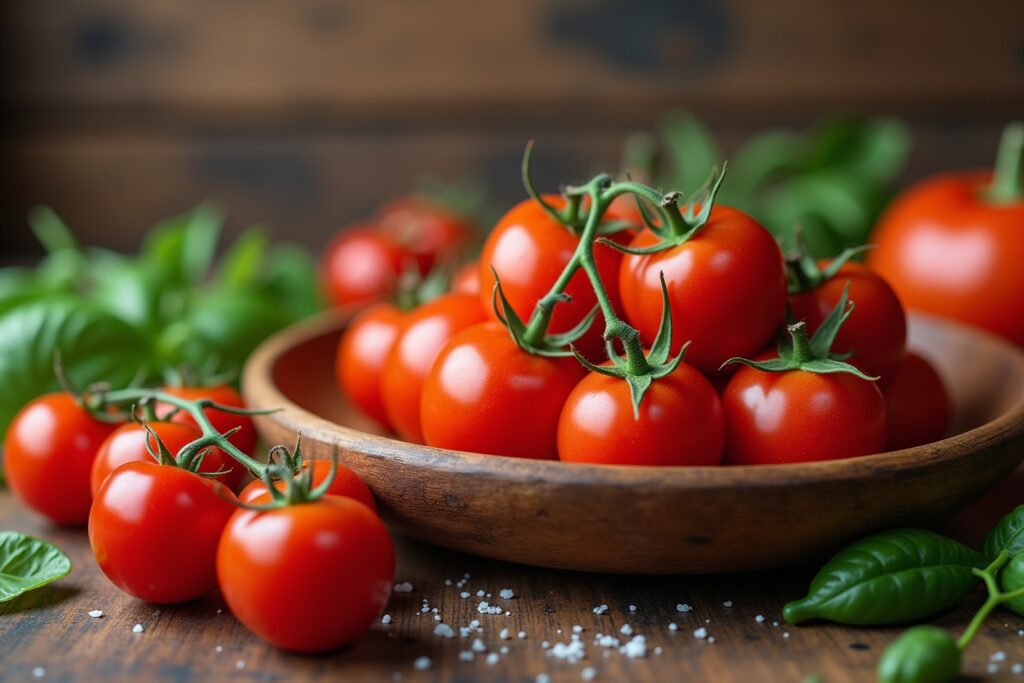
You’re seeking the ultimate guide to 17 distinct Marinara recipes, aiming to master this fundamental Italian sauce for any pasta dish, pizza, or dipping need. This collection is meticulously curated to cater to every palate and skill level, ensuring you can create the perfect marinara, whether you’re a seasoned chef or a beginner in the kitchen.
These are the most popular Marinara Recipes products
Keine Produkte gefunden.The Versatility of Marinara Sauce
Marinara sauce, at its core, is a simple yet incredibly versatile tomato-based sauce. Its beauty lies in its adaptability; while a classic marinara is a staple, countless variations exist, each offering a unique flavor profile. From the slow-simmered depth of a traditional recipe to the quick and vibrant freshness of a no-cook version, the possibilities are nearly endless. Understanding the foundational elements of a great marinara allows you to confidently explore these diverse preparations.
Key Ingredients for Authentic Marinara
The foundation of any exceptional marinara sauce lies in the quality of its ingredients. While recipes may vary, certain components are almost universally present and crucial for achieving the desired flavor and texture. Mastering these basics is your first step toward marinara perfection.
- Tomatoes: The heart of marinara. San Marzano tomatoes (DOP certified if possible) are often considered the gold standard due to their sweet flavor, low acidity, and meaty texture. Canned whole peeled tomatoes or crushed tomatoes are excellent choices, providing consistent quality year-round.
- Aromatics: Garlic and onions are indispensable for building a robust flavor base. Finely mincing or grating them allows them to meld seamlessly into the sauce. Some recipes also call for shallots for a more delicate sweetness.
- Olive Oil: Extra virgin olive oil is preferred for its rich flavor and aroma, which complements the tomato base. It’s used for sautéing the aromatics and can be drizzled on top for finishing.
- Herbs: Fresh basil is a classic pairing, offering its signature sweet and slightly peppery notes. Dried oregano is another common addition, providing an earthy depth. Other herbs like parsley or thyme can also be incorporated depending on the desired flavor profile.
- Seasoning: Salt and black pepper are essential for balancing and enhancing all the other flavors. A pinch of red pepper flakes can add a subtle warmth and heat.
- Optional Additions: Depending on the specific recipe, you might find ingredients like sugar (to balance acidity), a splash of red wine (for depth), anchovy paste (for umami), or butter (for richness).
A Comparative Overview of Marinara Recipes
To help you navigate the vast landscape of marinara, here’s a structured comparison of the 17 recipes, highlighting their unique characteristics and ideal applications. This overview will guide you in selecting the perfect marinara for your culinary endeavors.
| Recipe Type | Primary Flavor Profile | Preparation Time | Ideal For | Key Differentiating Ingredient/Technique |
|---|---|---|---|---|
| Classic Italian Marinara | Rich, balanced tomato flavor with aromatic depth | 45-60 minutes | All-purpose pasta sauce, pizza base | Slow simmering, San Marzano tomatoes |
| Quick Weeknight Marinara | Bright, fresh tomato taste | 15-20 minutes | Busy weeknights, simple pasta dishes | Canned crushed tomatoes, minimal simmering |
| No-Cook Fresh Marinara | Vibrant, raw tomato flavor | 10 minutes (+ resting time) | Pasta salad, bruschetta topping | Raw, high-quality tomatoes, no cooking |
| Spicy Arrabbiata | Fiery heat with robust tomato flavor | 30-40 minutes | Pasta dishes needing a kick, seafood | Abundant red pepper flakes or fresh chilies |
| Marinara with Red Wine | Deep, complex flavor with subtle acidity | 60-75 minutes | Hearty meat sauces, braised dishes | Reduction of dry red wine |
| Roasted Garlic Marinara | Sweet, mellow garlic notes with caramelized undertones | 75-90 minutes (includes roasting time) | Gourmet pasta, dipping sauce for breadsticks | Whole garlic cloves roasted before adding |
| Herbed Marinara | Aromatic with pronounced basil and oregano notes | 40-50 minutes | Versatile, especially with seafood pasta | Generous amounts of fresh herbs |
| Creamy Tomato Marinara | Smooth, rich, and slightly decadent | 30-45 minutes | Gnocchi, ravioli, rich pasta dishes | Addition of heavy cream or butter |
| Smoked Paprika Marinara | Smoky undertones with sweet paprika | 40-50 minutes | Pizzas, grilled chicken, roasted vegetables | Smoked paprika (pimentón) |
| Anchovy & Capers Marinara | Salty, briny, and intensely savory | 40-50 minutes | Pasta Puttanesca variations, seafood | Anchovy paste and capers |
| Caramelized Onion Marinara | Sweetness from slow-cooked onions | 75-90 minutes | Sandwich spread, pasta with sausage | Onions slowly caramelized to a deep brown |
| Mushroom Marinara | Earthy and umami-rich | 45-60 minutes | Hearty vegetarian dishes, polenta topping | Sautéed mushrooms (cremini, shiitake) |
| Lentil Marinara (Vegan) | Hearty, robust, and satisfyingly thick | 50-60 minutes | Vegan pasta dishes, filling for calzones | Red or brown lentils simmered in the sauce |
| Lemon Zest Marinara | Bright, zesty, with a hint of citrus | 30-40 minutes | Light pasta dishes, with white fish | Lemon zest added at the end |
| Chipotle Pepper Marinara | Smoky, spicy, with a distinct chili flavor | 40-50 minutes | Tacos, enchiladas, bold pasta dishes | Chipotle peppers in adobo sauce |
| Balsamic Glaze Marinara | Tangy, sweet, and slightly syrupy | 45-60 minutes | Caprese salads, grilled vegetables, pasta | Reduction of balsamic vinegar added towards the end |
| Tomato Paste Concentrated Marinara | Intensely rich tomato flavor, very thick | 30-40 minutes | Sauce base for other dishes, pizza sauce | Significant amount of tomato paste for depth |
Exploring 17 Distinct Marinara Recipes
1. The Quintessential Classic Italian Marinara
This is the bedrock of marinara, a slow-simmered sauce that delivers profound flavor. It begins with sautéing finely minced garlic and a touch of onion in olive oil until fragrant. Whole peeled San Marzano tomatoes are then added, crushed by hand or with a food mill. The sauce simmers gently for at least 45 minutes, allowing the flavors to meld. Fresh basil leaves are stirred in during the last 10 minutes of cooking, and a pinch of salt and freshly ground black pepper to taste. This marinara is perfect for any pasta, from spaghetti to rigatoni, and forms an excellent base for pizzas.
2. Speedy Weeknight Marinara
When time is of the essence, this recipe comes to the rescue. It utilizes high-quality canned crushed tomatoes for speed. Sauté garlic and a pinch of red pepper flakes in olive oil. Add the crushed tomatoes, a touch of dried oregano, salt, and pepper. Simmer for just 15-20 minutes to allow the flavors to marry. A handful of fresh basil stirred in at the end brightens the sauce. This is ideal for a quick spaghetti dinner or as a base for baked pasta dishes.
3. No-Cook Fresh Summer Marinara
Embrace the vibrant flavors of peak-season tomatoes with this uncooked wonder. Dice the freshest, ripest tomatoes you can find. Finely mince garlic and chop fresh basil. Combine tomatoes, garlic, basil, extra virgin olive oil, salt, and pepper in a bowl. Let it sit for at least 30 minutes at room temperature to allow the flavors to meld. This marinara is exquisite tossed with pasta, used as a bruschetta topping, or as a fresh condiment.
4. Fiery Arrabbiata Sauce
For those who crave a bit of heat, the Arrabbiata is a revelation. The name means “angry” in Italian, referring to its spiciness. Start by sautéing garlic and a generous amount of red pepper flakes (or finely chopped fresh chili peppers) in olive oil. Add crushed tomatoes and a bay leaf. Simmer for 30-40 minutes until slightly thickened. Season with salt. The heat should be prominent but balanced by the tomato sweetness. It’s a classic pairing with penne.
5. Marinara with a Red Wine Infusion
Elevate your marinara by incorporating a splash of dry red wine. Sauté aromatics as usual, then deglaze the pan with about half a cup of red wine, letting it reduce by half. Add your tomatoes (whole peeled or crushed) and simmer for an extended period, at least 60-75 minutes, to allow the wine’s complex notes to integrate. This sauce gains a remarkable depth and is superb with hearty dishes, stews, or as a base for meat sauces.
6. Sweet and Smoky Roasted Garlic Marinara
Roasting garlic transforms its pungent bite into a sweet, mellow, and complex flavor. Roast whole garlic cloves (skin on) until soft and golden. Squeeze the roasted garlic pulp into a sauté of onions and olive oil. Add crushed tomatoes, a pinch of sugar to enhance sweetness, salt, pepper, and dried oregano. Simmer for 45-60 minutes. This marinara is incredibly smooth and addictive, perfect for dipping or any pasta dish.
7. Aromatic Herb Garden Marinara
This recipe celebrates the power of fresh herbs. After sautéing your garlic and onions, add crushed tomatoes, dried oregano, and a generous amount of chopped fresh basil, parsley, and a hint of thyme. Simmer for 40-50 minutes. The abundance of fresh herbs provides a vibrant, complex aroma and flavor that complements lighter pasta dishes or seafood beautifully.
8. Rich and Creamy Tomato Marinara
For a decadent twist, introduce dairy into your marinara. Prepare a classic marinara and, during the last 10-15 minutes of simmering, stir in a quarter cup of heavy cream or a few tablespoons of unsalted butter. This creates a luscious, velvety texture that coats pasta beautifully. It’s particularly divine with gnocchi or filled pasta like ravioli.
9. Smoked Paprika Marinara
Infuse your marinara with a smoky, slightly sweet character using smoked paprika (pimentón). Sauté garlic and onions, then add crushed tomatoes, a teaspoon or two of smoked paprika, salt, and pepper. Simmer for 40-50 minutes. The paprika imparts a distinct smokiness that pairs wonderfully with grilled meats, pizzas, or roasted vegetables.
10. Briny Marinara with Anchovy and Capers
This variation leans into bold, savory flavors. Start by gently sautéing a couple of anchovy fillets in olive oil until they dissolve, creating an umami base. Add minced garlic, then crushed tomatoes, a tablespoon of capers (rinsed), salt, and pepper. Simmer for 40-50 minutes. This intensely flavorful sauce is a key component in dishes like Pasta Puttanesca and is excellent with strong-flavored ingredients.
11. Sweet Caramelized Onion Marinara
Achieve unparalleled sweetness by slowly caramelizing onions. This process can take 45-60 minutes on low heat. Once the onions are deeply golden brown and sweet, add minced garlic, then crushed tomatoes, salt, and pepper. Simmer for another 30 minutes. The sweetness from the onions is intense and complements any pasta or can serve as a rich sandwich spread.
12. Hearty Mushroom Marinara
For an earthy, robust flavor, incorporate sautéed mushrooms. Slice cremini or shiitake mushrooms and sauté them until browned and tender. Remove from the pan, then sauté your aromatics. Add the mushrooms back with the crushed tomatoes, herbs, salt, and pepper. Simmer for 45-60 minutes. This marinara is wonderfully satisfying and is a fantastic topping for polenta or as a vegetarian pasta sauce.
13. Vegan Lentil Marinara
A hearty, protein-packed vegan option. Sauté aromatics and add crushed tomatoes. Stir in half a cup of rinsed red or brown lentils, vegetable broth (enough to cover), dried herbs, salt, and pepper. Simmer for 50-60 minutes, or until the lentils are tender and the sauce has thickened. This substantial marinara is perfect for vegan pasta dishes or as a filling for calzones.
14. Zesty Lemon Marinara
Brighten your marinara with a hint of citrus. Prepare a classic marinara and, during the final 5 minutes of simmering, stir in the zest of one lemon. The lemon zest adds a refreshing, fragrant lift that cuts through the richness of the tomatoes. It’s particularly delightful with lighter pasta preparations or seafood.
15. Spicy Chipotle Pepper Marinara
Bring a smoky heat reminiscent of Southwestern flavors. Sauté garlic and a minced chipotle pepper in adobo sauce (or more, to your spice preference). Add crushed tomatoes, a pinch of cumin, salt, and pepper. Simmer for 40-50 minutes. This marinara offers a complex smoky and spicy profile that is excellent for tacos, enchiladas, or any dish needing a bold kick.
16. Tangy Balsamic Glaze Marinara
A touch of balsamic vinegar adds a sophisticated tang and sweetness. Prepare a classic marinara and, in the last 10 minutes of simmering, stir in 2-3 tablespoons of balsamic glaze or a reduction of balsamic vinegar. The glaze will thicken the sauce slightly and add a complex sweet-and-sour note. It’s wonderful with Caprese salads, grilled vegetables, or pasta.
17. Intense Tomato Paste Marinara
For a marinara with concentrated tomato flavor and a thicker consistency, emphasize tomato paste. Sauté aromatics, then add a significant amount of good-quality tomato paste and cook it for a few minutes until it darkens slightly. This deepens its flavor. Then add crushed tomatoes, herbs, salt, and pepper, and simmer for 30-40 minutes. This robust sauce is excellent as a pizza sauce or as a base for other, more complex sauces.
Frequently Asked Questions about 17 Marinara Recipes
What are the best tomatoes to use for marinara?
For the most authentic and flavorful marinara, San Marzano tomatoes are highly recommended. They are known for their sweetness, low acidity, and meaty texture. If San Marzano tomatoes are unavailable, good quality canned whole peeled or crushed tomatoes will still yield excellent results. For uncooked marinara, the freshest, ripest tomatoes you can find are paramount.
How long should marinara sauce simmer?
The simmering time for marinara sauce can vary significantly depending on the desired flavor intensity and texture. A quick weeknight marinara might only need 15-20 minutes, while a classic Italian marinara benefits from at least 45-60 minutes of gentle simmering. Longer simmering times allow flavors to meld and deepen, and the sauce to thicken.
Can marinara sauce be made ahead of time?
Absolutely. Marinara sauce is an ideal candidate for making ahead. In fact, its flavor often improves after a day or two as the ingredients continue to meld. Store cooled marinara in an airtight container in the refrigerator for up to 4-5 days, or freeze it for up to 3 months for longer storage.
How do I adjust the acidity of my marinara sauce?
Tomatoes can sometimes have a natural tartness. You can balance acidity by adding a pinch of sugar (granulated or brown) towards the end of cooking. Some recipes also call for a splash of heavy cream or butter, which can mellow the acidity. Ensuring you use high-quality, ripe tomatoes also helps minimize excessive tartness.
What are some common herbs used in marinara?
The most classic herbs for marinara are fresh basil and dried oregano. Parsley is also a frequent addition, offering a fresh, slightly peppery note. Depending on the specific recipe and desired flavor profile, you might also find thyme, rosemary, or bay leaves incorporated.
Can I make marinara sauce without onions?
Yes, you can make marinara sauce without onions. Garlic is often considered more essential for the base flavor. If you omit the onions, you might want to slightly increase the amount of garlic or add a bit more olive oil to ensure a rich flavor base. Some recipes specifically cater to onion-free preparation, focusing on garlic and herbs.
What is the difference between marinara and bolognese sauce?
The primary difference lies in their composition and richness. Marinara is a simpler, lighter tomato-based sauce, typically vegetarian and focused on tomato flavor, garlic, and herbs. Bolognese, on the other hand, is a meat-based sauce originating from Bologna, Italy, usually containing ground meat (beef, pork, or a mix), mirepoix (carrots, celery, onion), and often milk or cream, simmered for extended periods to develop deep, complex flavors.


