
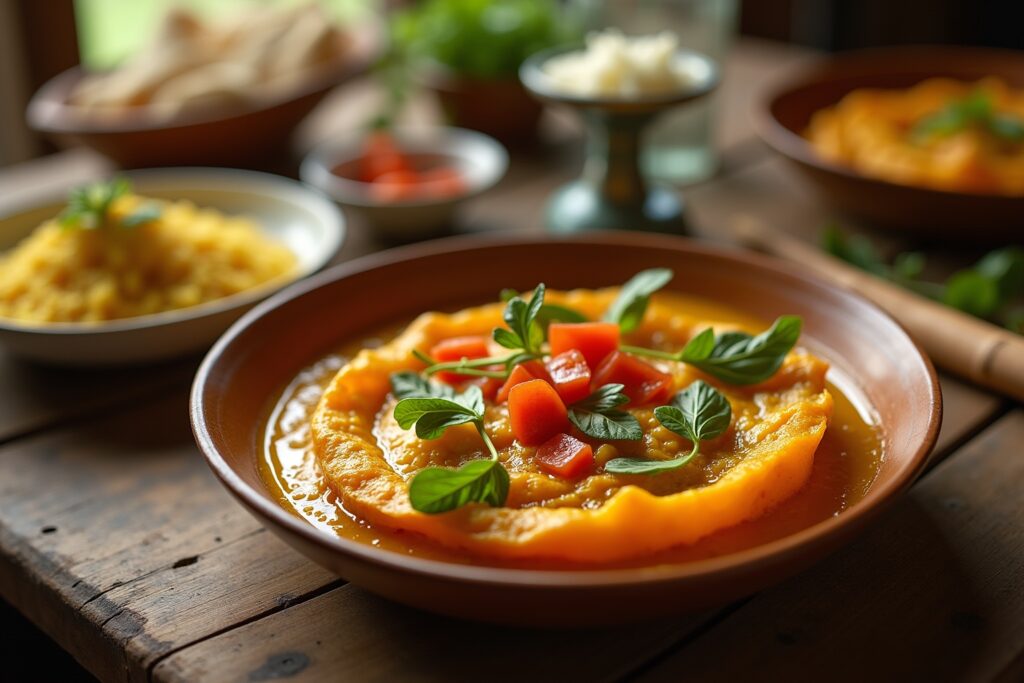
Unlock the vibrant potential of turmeric in your daily life with a collection of delicious recipes designed to enhance your well-being. If you’re seeking natural ways to support your body’s health and vitality through integrated culinary practices, this guide offers practical and flavorful solutions.
These are the most popular Turmeric Cookbook products
Keine Produkte gefunden.The Power of Turmeric for Holistic Wellness
Turmeric, scientifically known as Curcuma longa, has been revered for centuries in traditional medicine systems like Ayurveda and Traditional Chinese Medicine for its potent health-promoting properties. Its signature golden hue comes from curcuminoids, primarily curcumin, which is a powerful antioxidant and anti-inflammatory compound. Incorporating turmeric recipes into your diet is a proactive step towards supporting a balanced and healthy lifestyle.
Maximizing Curcumin Absorption: The Fat and Pepper Connection
To truly benefit from turmeric’s active compounds, understanding absorption is key. Curcumin on its own is poorly absorbed by the body. Fortunately, simple culinary techniques can significantly enhance its bioavailability. Combining turmeric with healthy fats, such as those found in coconut oil, olive oil, or avocado, helps curcumin dissolve and be more readily absorbed. Furthermore, piperine, a compound found in black pepper, has been shown to dramatically increase curcumin absorption, sometimes by up to 2,000%.
Golden Milk: The Ultimate Turmeric Elixir
Golden Milk, also known as Turmeric Latte, is a cornerstone of turmeric-based wellness beverages. This comforting drink is incredibly versatile and can be adapted to your taste preferences.
- Ingredients:
- 1 cup unsweetened plant-based milk (almond, coconut, oat)
- 1 teaspoon ground turmeric
- 1/4 teaspoon ground ginger
- 1/4 teaspoon ground cinnamon
- Pinch of black pepper
- 1 teaspoon sweetener (honey, maple syrup, or a date)
- Optional: 1/4 teaspoon vanilla extract, pinch of cardamom
- Instructions:
- Combine all ingredients in a saucepan over medium heat.
- Whisk gently until well combined and heated through. Do not boil.
- Pour into a mug and enjoy warm.
Turmeric Smoothies: A Burst of Flavor and Health
Adding turmeric to your morning smoothie is an effortless way to boost its nutritional profile. The sweetness of fruits often masks the earthy flavor of turmeric, making it a delightful addition.
- Example: Tropical Turmeric Mango Smoothie
- 1 cup frozen mango chunks
- 1/2 banana
- 1 cup unsweetened coconut milk
- 1 teaspoon ground turmeric
- 1/2 teaspoon grated fresh ginger (or 1/4 teaspoon ground ginger)
- Pinch of black pepper
- Optional: 1 tablespoon chia seeds or flax seeds for added fiber and omega-3s
- Instructions:
- Combine all ingredients in a blender.
- Blend until smooth and creamy. Add more liquid if needed to reach desired consistency.
- Serve immediately.
Turmeric Soups and Stews: Warming Comfort
Turmeric lends a beautiful color and subtle warmth to soups and stews. It pairs exceptionally well with root vegetables and legumes.
- Golden Lentil Soup: A hearty and nourishing soup where turmeric enhances the natural earthiness of lentils.
- Curried Vegetable Stew: Incorporate turmeric alongside other warming spices like cumin and coriander for a deeply flavorful vegetarian stew.
- Chicken or Vegetable Broth Infusion: Add a teaspoon of turmeric and a pinch of black pepper to your simmering broth for an anti-inflammatory boost.
Turmeric Rice and Grains: A Golden Foundation
Transform plain rice or other grains into a visually appealing and health-supportive side dish. Turmeric provides a mild, pleasant flavor that complements many main courses.
- Turmeric Rice Pilaf: Sauté 1 cup of basmati rice in a tablespoon of olive oil with 1 teaspoon of turmeric and a pinch of black pepper before adding your cooking liquid.
- Quinoa with Turmeric and Vegetables: Cook quinoa according to package directions and stir in 1 teaspoon of turmeric, chopped fresh herbs, and steamed vegetables for a complete meal.
Turmeric Roasted Vegetables: Enhancing Natural Sweetness
Roasting brings out the natural sweetness of vegetables, and turmeric adds a complementary flavor and vibrant color. This method also facilitates the absorption of curcumin with the help of the cooking oil.
- Roasted Turmeric Cauliflower and Broccoli: Toss cauliflower florets and broccoli with olive oil, 1 teaspoon of turmeric, salt, pepper, and a pinch of garlic powder. Roast at 400°F (200°C) until tender and slightly browned.
- Sweet Potato and Turmeric Wedges: Cube sweet potatoes, toss with olive oil, turmeric, paprika, and a touch of chili powder. Roast until tender and caramelized.
Benefits of Integrating Turmeric Recipes into Your Diet
Consistently incorporating turmeric into your meals and beverages can contribute to a range of wellness benefits, largely attributed to curcumin’s potent antioxidant and anti-inflammatory actions. These include supporting joint health, promoting a healthy immune response, aiding in digestion, and contributing to overall cellular health. Remember that while turmeric offers significant health advantages, it is a complement to a balanced diet and healthy lifestyle, not a substitute for medical advice or treatment.
Turmeric for Specific Wellness Goals
While research is ongoing, many individuals turn to turmeric for targeted wellness support.
Joint Health Support
The anti-inflammatory properties of curcumin are of particular interest for individuals seeking to maintain joint mobility and comfort. Regular consumption of turmeric-rich foods can be a natural adjunct to managing joint-related concerns.
Immune System Modulation
Curcumin’s ability to interact with various signaling pathways in the immune system suggests a role in supporting a robust and balanced immune response. This makes turmeric a valuable ingredient during seasonal changes or periods of increased immune system demand.
Digestive Wellness
In traditional medicine, turmeric has been used to support healthy digestion. Its compounds are believed to help stimulate bile production, which aids in the digestion of fats, and may contribute to a healthy gut lining.
Skin Health and Radiance
The antioxidant power of turmeric can extend to skin health, helping to combat oxidative stress that can contribute to premature aging. Topical applications and dietary intake can both be beneficial.
Creating Your Own Turmeric-Infused Recipes
Don’t be afraid to experiment! Turmeric’s earthy, slightly peppery flavor is surprisingly versatile. Consider these tips:
- Start Small: If you’re new to turmeric, begin with smaller amounts (1/4 to 1/2 teaspoon) and gradually increase as you become accustomed to the taste.
- Pair with Complementary Flavors: Turmeric pairs well with ginger, cinnamon, cardamom, citrus (lemon, lime), garlic, and onion.
- Consider the Color: Its vibrant yellow-orange hue can instantly brighten dishes like rice, pasta sauces, and even baked goods.
- Fresh vs. Ground: Fresh turmeric root offers a more pungent and slightly citrusy flavor, while ground turmeric is more accessible and has a more concentrated earthy taste. You can often substitute 1 inch of fresh turmeric root for 1 teaspoon of ground turmeric.
| Turmeric Recipe Category | Key Benefits | Flavor Profile | Preparation Ease |
|---|---|---|---|
| Golden Milk & Beverages | Soothing, Anti-inflammatory Boost, Hydration | Warm, Spicy, Slightly Sweet | Very Easy |
| Smoothies | Nutrient Dense, Antioxidant Rich, Quick Breakfast/Snack | Fruity, Creamy, Subtle Earthiness | Easy |
| Soups & Stews | Warming, Digestive Support, Hearty Meal Base | Earthy, Savory, Aromatic | Moderate |
| Rice & Grains | Visually Appealing Side Dish, Digestive Aid, Anti-inflammatory | Mildly Earthy, Savory, Versatile | Easy |
| Roasted Vegetables | Enhanced Natural Sweetness, Nutrient Rich, Antioxidant Support | Earthy, Slightly Sweet, Caramelized | Easy |
| Salad Dressings | Antioxidant Boost, Anti-inflammatory Addition, Vibrant Color | Tangy, Zesty, Herby | Very Easy |
Important Considerations and Sourcing
When purchasing turmeric, opt for high-quality, organic ground turmeric or fresh turmeric root whenever possible. This ensures you are getting a pure product free from contaminants. If you have specific health conditions or are taking medications, it’s always advisable to consult with your healthcare provider before making significant dietary changes, especially when incorporating potent ingredients like turmeric.
These are the latest Turmeric Cookbook products with the best ratings.
Keine Produkte gefunden.FAQ – Frequently Asked Questions about Turmeric Recipes for Wohlbefinden
What is the best way to consume turmeric for maximum health benefits?
To maximize the absorption of curcumin, the active compound in turmeric, it’s best to consume it with black pepper and a source of healthy fat. Recipes like Golden Milk, curries, and roasted vegetables prepared with oil and a pinch of black pepper are excellent choices.
How much turmeric should I consume daily?
There isn’t a universally defined daily dosage, but many studies use amounts ranging from 500 mg to 2,000 mg of curcuminoids per day, often derived from turmeric extract. In culinary terms, using 1 to 2 teaspoons of ground turmeric or a 1-2 inch piece of fresh turmeric root in your daily recipes is generally considered safe and beneficial for most individuals.
Can I use fresh turmeric root instead of ground turmeric?
Yes, you can. Fresh turmeric root has a more pungent, slightly citrusy, and vibrant flavor compared to ground turmeric. As a general guideline, you can substitute about a 1-inch piece of fresh turmeric root (peeled and grated or finely chopped) for 1 teaspoon of ground turmeric.
Are there any side effects of consuming too much turmeric?
While turmeric is generally safe, excessive consumption can lead to mild digestive issues in some individuals, such as stomach upset, nausea, or diarrhea. High doses might also interact with certain medications, so consulting a healthcare professional is recommended if you have concerns.
How can I make the earthy taste of turmeric more palatable in recipes?
The earthy flavor of turmeric can be balanced by pairing it with complementary ingredients. Citrus fruits like lemon and lime, sweet spices like cinnamon and ginger, garlic, onion, and a touch of sweetness (honey, maple syrup) can help to mellow its intensity. Cooking turmeric in oil also tends to mellow its flavor.
Can turmeric recipes help with inflammation?
Yes, turmeric is widely recognized for its potent anti-inflammatory properties, primarily due to its active compound, curcumin. Regular incorporation of turmeric recipes into your diet can contribute to managing inflammation throughout the body, supporting overall wellness.
Is it safe to add turmeric to my morning coffee?
Adding a pinch of turmeric and a grind of black pepper to your morning coffee is generally safe. The fat content in milk or cream added to your coffee can further aid in curcumin absorption. However, start with a very small amount to see how you tolerate the flavor and potential effects.


