
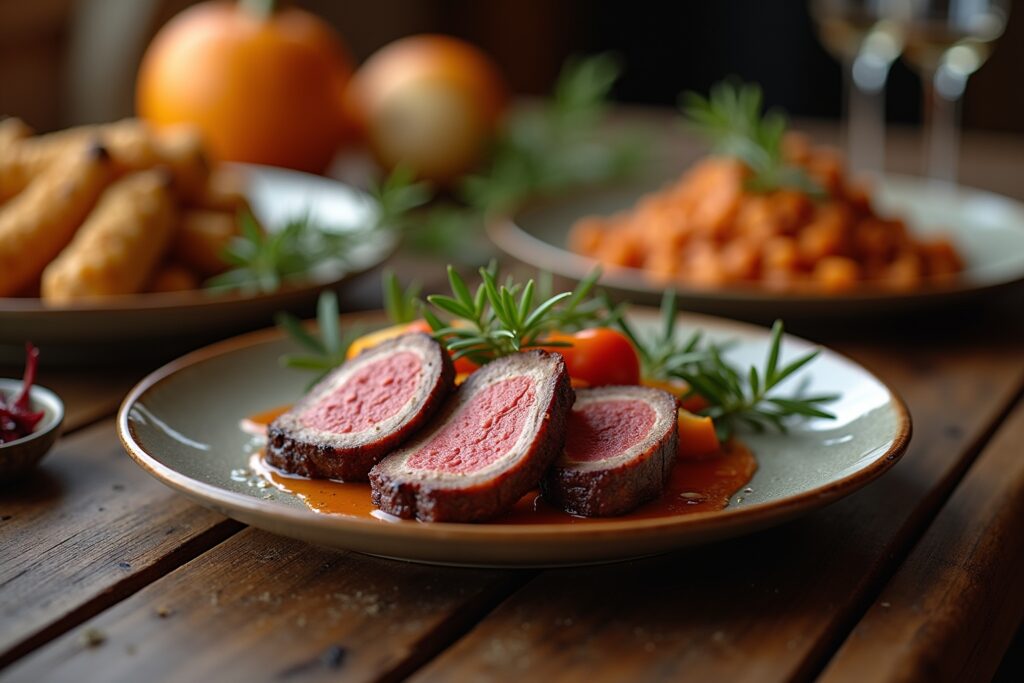
Unlock the rich, earthy flavors of venison with these delectable recipes designed to elevate your wild game dining experience. Whether you’re a seasoned hunter or simply seeking to explore the unique taste of deer meat, this guide provides you with the essential knowledge and inspiring dishes to transform your venison from ordinary to extraordinary.
These are the most popular Venison cookbook products
Keine Produkte gefunden.Mastering Venison: Essential Cooking Techniques
Venison, particularly from mature deer, can be leaner than traditional farmed meats, requiring specific cooking approaches to ensure tenderness and maximum flavor. Understanding the characteristics of venison is the first step towards culinary success. You’ll want to focus on methods that either cook the meat quickly at high temperatures or slowly at low temperatures to break down connective tissues and prevent dryness. Proper aging of the meat also plays a crucial role in its texture and palatability.
Choosing the Right Cut for Your Recipe
Different cuts of venison lend themselves to different cooking methods. For instance, the tenderloin and backstrap (loin) are premium cuts that benefit from quick searing or grilling to preserve their succulence. Roasts, such as the shoulder or hindquarter, are ideal for slow braising or stewing, which allows the tougher fibers to break down, resulting in incredibly tender and flavorful meat. Understanding the anatomy of the deer and the corresponding cuts will significantly impact your final dish.
- Tenderloin/Loin: Best for pan-searing, grilling, or quick roasting. Aim for medium-rare to medium to maintain moisture.
- Rump Roast: Versatile, can be roasted, braised, or even ground for burgers and sausages.
- Shoulder/Chuck: Excellent for slow cooking methods like braising, stewing, or pot roasting due to its higher fat and connective tissue content.
- Ground Venison: Perfect for chili, burgers, meatballs, and pâtés, often blended with a fattier meat like pork or beef for enhanced moisture.
The Importance of Marinating and Brining
Given venison’s leanness, marinades and brines are invaluable tools for adding moisture, flavor, and tenderizing the meat. A well-chosen marinade can infuse aromatics, acidity, and fat into the venison, creating a more succulent and flavorful final product. Brining, especially for roasts, can help the meat retain moisture during cooking.
- Marinade Components: Typically include an acidic element (like wine, vinegar, or citrus juice), oil, herbs, spices, and aromatics (garlic, onion).
- Brining: A salt-and-sugar solution that draws moisture into the meat through osmosis. Allow venison roasts to brine for several hours or overnight.
- Marinade Time: Leaner cuts may only need a few hours, while tougher cuts can benefit from overnight marination.
Achieving Perfect Doneness
Overcooking venison is the most common pitfall. For premium cuts, aim for an internal temperature of around 130-135°F (54-57°C) for medium-rare, allowing it to rise to about 140°F (60°C) during resting. Use a reliable meat thermometer to ensure accuracy. For tougher cuts that are slow-cooked, the goal is fork-tender, indicated by the meat easily pulling apart.
Delectable Venison Recipes to Inspire Your Kitchen
Explore a variety of cooking methods and flavor profiles to showcase the best of venison. From rustic stews to elegant roasts, these recipes offer something for every palate and occasion.
Venison Loin with Cherry-Port Reduction
This recipe highlights the delicate flavor of venison loin, enhanced by a rich and slightly sweet cherry-port sauce. It’s an ideal dish for special occasions.
Ingredients:
- 1.5-2 lbs venison loin
- 2 tbsp olive oil
- Salt and freshly ground black pepper
- 1 shallot, finely chopped
- 1 cup port wine
- 1 cup fresh or frozen cherries, pitted
- 1/2 cup beef broth
- 1 tbsp balsamic vinegar
- 1 sprig fresh thyme
- 1 tbsp cold butter
Instructions:
- Pat the venison loin dry and season generously with salt and pepper.
- Heat olive oil in a heavy skillet over medium-high heat. Sear the loin on all sides until deeply browned, about 2-3 minutes per side.
- Transfer the loin to a roasting pan and cook in a preheated oven at 400°F (200°C) until an instant-read thermometer registers 130-135°F (54-57°C) for medium-rare. Let rest for 10-15 minutes.
- While the loin rests, make the sauce. Pour off excess fat from the skillet, leaving about 1 tablespoon. Add the shallot and sauté until softened.
- Deglaze the pan with port wine, scraping up any browned bits. Let it simmer and reduce by half.
- Add cherries, beef broth, balsamic vinegar, and thyme. Simmer for 10-15 minutes, or until the sauce has thickened slightly and the cherries have softened.
- Remove the thyme sprig. Whisk in the cold butter until the sauce is glossy. Season with salt and pepper to taste.
- Slice the rested venison loin and serve with the cherry-port reduction.
Slow Cooker Venison Stew with Root Vegetables
A comforting and hearty stew perfect for cooler weather. Slow cooking transforms tougher cuts of venison into melt-in-your-mouth tenderness.
Ingredients:
- 2 lbs venison shoulder or chuck, cut into 1-inch cubes
- 2 tbsp all-purpose flour
- 1 tsp salt
- 1/2 tsp black pepper
- 2 tbsp olive oil
- 1 large onion, chopped
- 2 carrots, peeled and chopped
- 2 celery stalks, chopped
- 3 cloves garlic, minced
- 4 cups beef broth
- 1 cup red wine (optional)
- 1 bay leaf
- 1 tsp dried thyme
- 1 lb baby potatoes, halved or quartered
- 1 lb parsnips, peeled and chopped
- 2 tbsp chopped fresh parsley, for garnish
Instructions:
- In a bowl, toss venison cubes with flour, salt, and pepper until evenly coated.
- Heat olive oil in a large skillet over medium-high heat. Brown the venison in batches, transferring to the slow cooker pot as you go.
- Add onion, carrots, and celery to the skillet and sauté until softened, about 5-7 minutes. Add garlic and cook for 1 minute more.
- Transfer the sautéed vegetables to the slow cooker.
- Pour in beef broth and red wine (if using). Add the bay leaf and thyme. Stir to combine.
- Cover and cook on low for 6-8 hours, or on high for 3-4 hours, until the venison is tender.
- Add the potatoes and parsnips during the last 1.5-2 hours of cooking.
- Before serving, remove the bay leaf. Skim off any excess fat from the surface. Adjust seasoning as needed.
- Garnish with fresh parsley and serve hot.
Venison Burgers with Smoky Aioli
Elevate your burger game with lean and flavorful venison. Blending with a little pork fat can improve texture and moisture, but well-ground venison alone is also delicious.
Ingredients:
- 1.5 lbs ground venison
- 1/4 cup finely chopped red onion
- 1 clove garlic, minced
- 1/2 tsp smoked paprika
- Salt and freshly ground black pepper
- Burger buns, lettuce, tomato, onion slices, pickles for serving
For the Smoky Aioli:
- 1/2 cup mayonnaise
- 1 clove garlic, minced
- 1 tsp smoked paprika
- 1 tsp lemon juice
- Pinch of cayenne pepper (optional)
Instructions:
- In a medium bowl, gently combine the ground venison, red onion, minced garlic, smoked paprika, salt, and pepper. Be careful not to overmix, as this can make the burgers tough.
- Divide the mixture into 4-6 equal portions and form into patties, making a slight indentation in the center of each to prevent them from puffing up during cooking.
- Preheat your grill or a skillet over medium-high heat. Cook the burgers for 4-5 minutes per side for medium-rare, or to your desired doneness.
- While the burgers cook, prepare the smoky aioli. In a small bowl, whisk together mayonnaise, minced garlic, smoked paprika, lemon juice, and cayenne pepper (if using).
- Toast your burger buns if desired.
- Assemble the burgers with your favorite toppings and a generous dollop of smoky aioli.
Venison Backstrap with Mushroom Cream Sauce
The backstrap is incredibly tender and is best treated with simple, elegant preparations that complement its natural flavor.
Ingredients:
- 1.5 lbs venison backstrap
- 2 tbsp butter
- 1 tbsp olive oil
- 8 oz mixed mushrooms (cremini, shiitake), sliced
- 2 cloves garlic, minced
- 1/2 cup dry white wine
- 1 cup heavy cream
- 2 tbsp fresh parsley, chopped
- Salt and freshly ground black pepper
Instructions:
- Trim any silverskin from the venison backstrap. Season generously with salt and pepper.
- Heat butter and olive oil in a large, oven-safe skillet over medium-high heat. Sear the backstrap for 2-3 minutes per side until well browned.
- Transfer the skillet to a preheated oven at 400°F (200°C) and cook for 5-8 minutes, or until the internal temperature reaches 130-135°F (54-57°C) for medium-rare. Remove from oven, transfer the backstrap to a plate, tent with foil, and let rest for 10-15 minutes.
- While the venison rests, prepare the sauce. Add mushrooms to the same skillet (add a little more butter if needed) and cook until browned and softened, about 5-7 minutes.
- Add minced garlic and cook for 1 minute more until fragrant.
- Pour in the white wine to deglaze the pan, scraping up any browned bits. Let it simmer and reduce by half.
- Stir in the heavy cream and bring to a gentle simmer. Cook for 3-5 minutes until the sauce has thickened.
- Stir in fresh parsley, and season with salt and pepper to taste.
- Slice the rested venison backstrap and serve with the mushroom cream sauce spooned over the top.
A Culinary Overview of Venison
Venison offers a unique culinary landscape for those willing to explore beyond conventional meats. Its distinct flavor profile, often described as rich, earthy, and slightly gamey, can be a delightful discovery. The versatility of venison, from its premium cuts perfect for a quick sear to its more robust portions suited for slow braising, makes it a rewarding ingredient for home cooks and professional chefs alike.
| Venison Cut | Ideal Cooking Method | Flavor Profile | Texture | Notes |
|---|---|---|---|---|
| Tenderloin/Loin | Searing, Grilling, Roasting (quick) | Mild, delicate | Very tender, lean | Best served medium-rare to medium. |
| Rump Roast | Roasting, Braising, Grinding | Rich, slightly stronger than loin | Moderately tender, can be lean | Good for marinades; benefits from slow cooking if not ground. |
| Shoulder/Chuck | Braising, Stewing, Slow Roasting | Robust, deeply flavorful | Tougher, requires long, slow cooking to tenderize | Excellent for stews, pot roasts; high connective tissue content is ideal for slow methods. |
| Ground Venison | Burgers, Meatballs, Chili, Sausages | Varies; can be lean and intense | Depends on grind and added fat | Often blended with fattier meats (pork, beef) for moisture and improved texture. |
These are the latest Venison cookbook products with the best ratings.
Keine Produkte gefunden.FAQ – Frequently Asked Questions about Leckere venison recipes für Wildgenuss
What is the best way to tenderize venison?
The best way to tenderize venison depends on the cut. For tougher cuts like the shoulder or leg, slow cooking methods such as braising, stewing, or slow roasting are ideal. These methods break down the connective tissues over extended periods. For leaner cuts like the loin or tenderloin, proper cooking to an internal temperature of medium-rare to medium is crucial to prevent dryness and toughness. Marinating venison for several hours or overnight can also help tenderize it, especially when using acidic ingredients like wine or vinegar.
How do I prevent venison from tasting too gamey?
Several factors contribute to the “gamey” flavor, including the animal’s diet, age, and how it was handled after harvest. To minimize this flavor, ensure the venison is properly cleaned and any excess fat or silverskin (a thin, tough membrane) is removed, as these can hold strong flavors. Marinating venison, particularly in milk or a brine solution, can help draw out strong flavors. Using robust herbs, spices, and aromatics in your recipes, such as garlic, rosemary, thyme, and bay leaves, also helps balance the natural flavor of the meat.
Can I substitute venison for beef in recipes?
Yes, you can often substitute venison for beef, but with some considerations. Due to venison’s leanness, it cooks faster and can dry out more easily than beef. For recipes like stews or braises, where venison is already being slow-cooked, a direct substitution is usually successful. However, for recipes like roasts or steaks, you’ll need to adjust cooking times and temperatures accordingly, aiming for lower temperatures and shorter durations to achieve the desired doneness without overcooking. You may also consider adding a small amount of fat, like bacon, when cooking lean venison cuts.
What temperature should venison be cooked to?
The ideal internal temperature for venison depends on the cut and your preferred level of doneness. For premium cuts like the tenderloin, loin, or backstrap, aim for medium-rare, which is around 130-135°F (54-57°C). This allows the meat to rest and reach about 140°F (60°C). For roasts that are braised or slow-cooked until tender, the temperature will be much higher, and the meat should be easily shreddable or fork-tender. Always use a meat thermometer for accuracy.
How long can venison be marinated?
The duration for marinating venison varies based on the marinade’s ingredients and the cut of meat. Leaner, more tender cuts like the loin or tenderloin generally require shorter marinating times, typically 2-4 hours, and up to 8 hours. Tougher cuts or larger roasts can benefit from longer marination, often overnight (12-24 hours), especially if the marinade contains acidic components that help break down tough fibers. However, avoid marinating for excessively long periods, as strong acids can begin to “cook” or denature the meat’s surface, leading to a mushy texture.
What are the best herbs and spices to pair with venison?
Venison pairs wonderfully with a variety of robust herbs and spices that complement its earthy flavor. Classic pairings include rosemary, thyme, sage, bay leaves, and juniper berries. Garlic and onion are essential aromatics. For spices, consider black pepper, smoked paprika, allspice, and mustard. Red wine, port wine, and balsamic vinegar are also excellent for deglazing or creating sauces, as their acidity and depth of flavor enhance the venison.
Should I trim the fat from venison?
Yes, it is generally recommended to trim any excess fat and silverskin from venison. Silverskin is a thin, silvery membrane that can become tough and chewy during cooking if not removed. While some fat can add moisture and flavor, venison is naturally very lean, and excessive fat can sometimes carry a stronger, more “gamey” flavor that some people prefer to minimize. Trimming these parts will result in a more pleasant texture and a cleaner flavor profile.


