
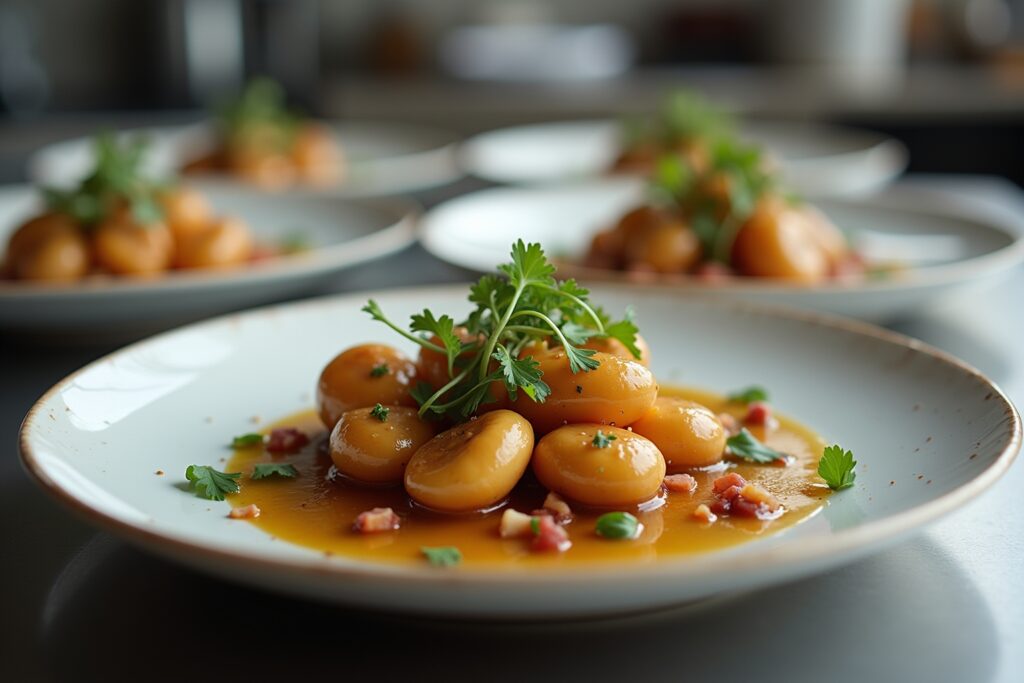
Unlock the subtle sweetness and delicate aroma of shallots by exploring 15 diverse and delicious recipes that showcase their unique culinary potential. These versatile bulbs elevate everything from simple vinaigrettes to sophisticated roasts.
These are the most popular Shallot Recipes products
Keine Produkte gefunden.The Allure of Shallots: Why They Deserve a Spot in Your Kitchen
Shallots, often overlooked in favor of their more pungent cousins, onions and garlic, possess a distinct charm that can transform everyday dishes into something extraordinary. Their flavor profile is a delightful balance between the sharpness of garlic and the sweetness of onions, with a refined, almost floral nuance. This complexity makes them an indispensable ingredient for chefs and home cooks alike. You’ll find that incorporating shallots can add depth, brightness, and an elegant finish to a wide array of culinary creations. Their softer texture when cooked also means they meld beautifully into sauces and dressings, providing a smooth, integrated flavor.
A Shallot Recipe Overview
| Recipe Category | Key Shallot Application | Flavor Profile Contribution | Typical Preparation Method | Difficulty Level |
|---|---|---|---|---|
| Sauces & Dressings | Finely minced or sautéed base | Sweet, tangy, aromatic | Sautéing, Deglazing, Whisking | Easy to Medium |
| Roasted Vegetables & Meats | Halved or quartered, roasted alongside | Caramelized sweetness, savory depth | Roasting | Easy |
| Soups & Stews | Sautéed base for building flavor | Mellow sweetness, umami enhancement | Sautéing, Simmering | Easy to Medium |
| Appetizers & Sides | Caramelized, fried, or incorporated into spreads | Sweet, crispy, rich | Caramelizing, Frying, Baking | Medium |
| Main Courses | Integral component of marinades, braises, or as a topping | Complex, sweet, savory | Braising, Grilling, Baking | Medium to Difficult |
15 Delicious Shallot Recipes to Elevate Your Cooking
1. Classic French Vinaigrette
This is the quintessential shallot application. Finely mince one to two shallots and whisk them with good quality red wine vinegar, Dijon mustard, olive oil, salt, and pepper. The shallots provide a subtle sweetness and depth that beautifully emulsifies the dressing, making it perfect for any green salad.
2. Caramelized Shallots
Slowly sauté thinly sliced shallots in butter or olive oil over low heat until they are deeply golden brown and incredibly sweet. This process takes time, about 30-45 minutes, but the result is a jam-like condiment that’s fantastic on burgers, steak, crostini, or as a side dish.
3. Roasted Shallots with Herbs
Halve or quarter shallots and toss them with olive oil, salt, pepper, and your favorite herbs like thyme, rosemary, or sage. Roast at 400°F (200°C) until tender and slightly caramelized. They become wonderfully sweet and savory, a perfect accompaniment to roasted meats or poultry.
4. Shallot Confit
Submerge peeled whole shallots in olive oil and cook them very gently in a low oven (around 250°F / 120°C) for 1.5-2 hours, or until they are meltingly tender. The resulting confit shallots are intensely flavorful, sweet, and perfect for spreading on bread or adding to dishes for a burst of flavor.
5. Shallot and Thyme Tart
A savory tart featuring a bed of thinly sliced, sautéed shallots infused with fresh thyme, often set in a creamy custard and baked in a flaky pastry crust. It’s an elegant appetizer or light lunch.
6. Red Wine Braised Beef with Shallots
Shallots form the aromatic base for many braising liquids. In this dish, they soften and meld into a rich red wine sauce alongside beef, creating a deeply flavorful and comforting meal. The shallots break down, adding sweetness and body to the sauce.
7. Pan-Seared Scallops with Shallot-Butter Sauce
Sear plump scallops to golden perfection, then deglaze the pan with white wine and whisk in minced shallots and butter. The shallots absorb the scallop essence and create a delicate, flavorful sauce that complements the seafood beautifully.
8. Mushroom and Shallot Risotto
Sautéed shallots are a fundamental element in creating the creamy, flavorful base of a risotto. They soften and sweeten as they cook, providing a subtle counterpoint to the earthy mushrooms and Arborio rice.
9. Crispy Fried Shallots
Thinly slice shallots and fry them in neutral oil until golden brown and crispy. These add a delightful crunch and intense savory-sweet flavor to salads, noodle dishes, curries, and almost any savory dish needing texture and depth.
10. Creamy Shallot Soup
A sophisticated twist on onion soup. Shallots are slowly softened and then blended with vegetable or chicken broth and cream until smooth and velvety. Garnished with a swirl of cream and fresh herbs, it’s an elegant starter.
11. Shallot and Goat Cheese Crostini
Top toasted baguette slices with a spread of creamy goat cheese and a generous dollop of caramelized or roasted shallots. A drizzle of honey or balsamic glaze makes this an irresistible appetizer.
12. Salmon with Lemon-Shallot Sauce
Bake or pan-sear salmon fillets, then prepare a quick sauce by sautéing minced shallots in butter, deglazing with lemon juice and white wine, and finishing with a touch of fresh dill or parsley. The bright, zesty sauce cuts through the richness of the salmon.
13. Roasted Chicken with Whole Shallots
Tuck whole, peeled shallots around a whole chicken as it roasts. They absorb the chicken drippings and become incredibly tender and sweet, serving as a delicious side dish that requires minimal effort.
14. Shallot and Garlic Compound Butter
Mash softened butter with finely minced shallots, minced garlic, and your favorite herbs (like chives or parsley). Roll into a log and chill. This compound butter is perfect for melting over steaks, chicken, or vegetables.
15. Miso-Glazed Eggplant with Crispy Shallots
Roast or grill eggplant until tender, then brush with a savory miso glaze. Top with a generous sprinkle of crispy fried shallots for a delightful interplay of textures and flavors. This dish highlights the savory-sweet balance shallots can provide.
These are the latest Shallot Recipes products with the best ratings.
Keine Produkte gefunden.FAQ – Frequently Asked Questions About 15 Delicious Shallot Recipes
What is the difference between shallots and onions?
Shallots have a more delicate, refined flavor that is a blend of garlic and onion, often described as sweeter and less pungent than regular onions. They also tend to have a finer texture and grow in clusters, similar to garlic cloves, whereas onions are typically single bulbs. Their subtle flavor makes them ideal for dressings, sauces, and delicate dishes where a harsh onion flavor would be overpowering.
How do you properly peel and chop shallots?
To peel a shallot, trim off the root end and one end of the bulb. Then, slice the shallot in half lengthwise. You can then easily peel away the papery skin from each half. For mincing, you can chop them finely by hand or use a food processor for a very uniform texture, particularly useful for vinaigrettes.
Can I substitute onions for shallots in recipes?
Yes, you can substitute onions for shallots, but be aware that the flavor profile will change. Generally, you’ll need about three times the amount of onion to equal the flavor of shallots, and the resulting dish will have a stronger, less nuanced onion taste. For recipes where shallot’s delicate flavor is key, it’s best to use shallots if possible.
How should shallots be stored?
Shallots should be stored in a cool, dry, and well-ventilated place, similar to how you would store onions and garlic. Avoid storing them in plastic bags, as this can trap moisture and lead to spoilage. They can last for several weeks when stored properly at room temperature.
What are the health benefits of shallots?
Shallots are a good source of vitamins and minerals, including Vitamin C, Vitamin B6, and manganese. They also contain antioxidants and beneficial plant compounds like flavonoids and quercetin, which are known for their anti-inflammatory properties and potential to support cardiovascular health.
Are shallots a type of onion or garlic?
Shallots belong to the Allium genus, which also includes onions, garlic, leeks, and chives. While they share similarities, they are distinct members of this family, possessing their own unique flavor and culinary characteristics.
When is the best time to use shallots raw versus cooked?
Raw shallots are best used in small quantities where their sharp, yet subtle, bite can add a pleasant zing, such as in finely minced form in vinaigrettes, marinades, or as a fresh garnish. Cooked shallots, especially when caramelized or slow-cooked, offer a mellow sweetness and rich flavor that is indispensable in sauces, braises, soups, and as a side dish.


