
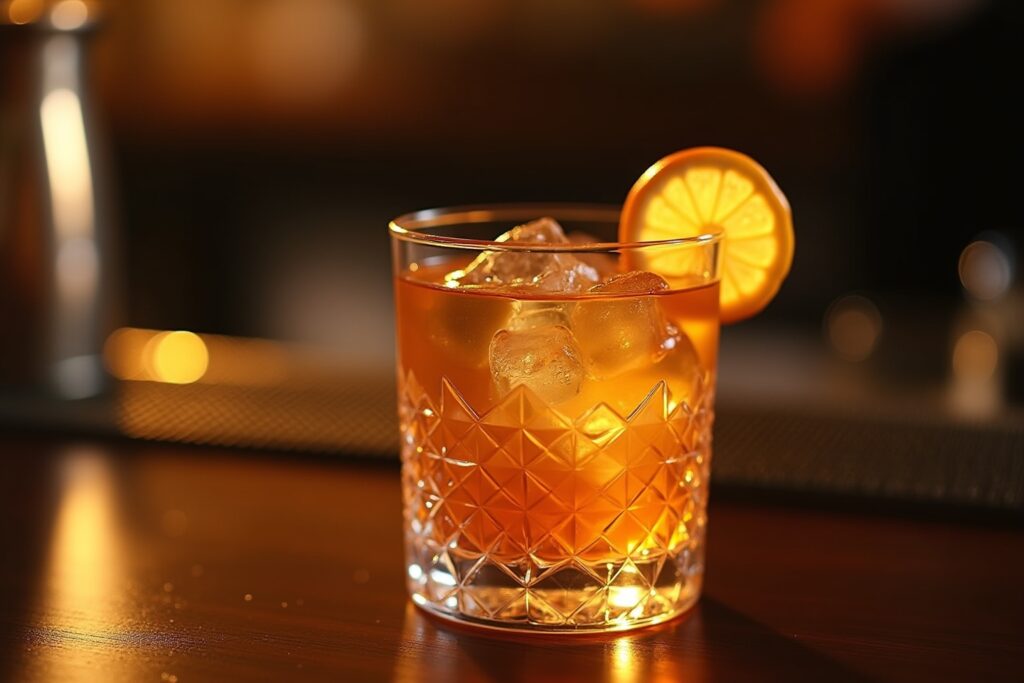
Mastering the art of the stirred cocktail elevates your home bartending from simple mixing to refined craft. You seek to understand the nuances of spirit-forward drinks, the essential techniques, and the iconic recipes that define this sophisticated category. This guide delivers exactly that, providing you with the knowledge and recipes to confidently create timeless stirred cocktails.
These are the most popular Cocktail Recipes products
Keine Produkte gefunden.The Essence of Stirred Cocktails
Stirred cocktails are the backbone of classic mixology, prioritizing the harmonious blending of high-proof spirits with complementary ingredients. Unlike shaken cocktails, which incorporate dilution and aeration, stirred drinks emphasize clarity, a silky texture, and a pure expression of the spirit’s character. The technique of stirring, typically over ice, gently chills and dilutes the mixture without introducing unwanted air bubbles, resulting in a smooth, elegant beverage. This method is ideal for spirit-forward cocktails where the focus is on the quality and interaction of the base liquors.
Essential Tools for Stirred Cocktails
Before you begin crafting these elegant drinks, ensure you have the right equipment. These tools are crucial for achieving the proper technique and presentation:
- Mixing Glass: A sturdy, heavy-bottomed glass with a capacity of at least 500ml. This allows for ample ice and room to stir effectively.
- Bar Spoon: A long-handled spoon designed for stirring cocktails. Its length allows it to reach the bottom of the mixing glass, and its twisted design aids in a smooth stirring motion.
- Jigger: A double-sided measuring tool to ensure precise spirit and liqueur measurements, critical for balanced flavors.
- Strainer: Typically a Hawthorne strainer or a Julep strainer, used to hold back the ice while pouring the chilled cocktail into its serving glass.
- Chilled Serving Glasses: Essential for maintaining the cocktail’s temperature and presenting it at its best.
The Stirring Technique: A Delicate Dance
The seemingly simple act of stirring is a nuanced skill that profoundly impacts the final drink. Proper stirring ensures optimal chilling and dilution, which are paramount for spirit-forward cocktails. Follow these steps:
- Fill your mixing glass about two-thirds to three-quarters full with good quality ice. Larger, denser ice cubes melt slower, providing controlled dilution.
- Add your measured ingredients to the mixing glass.
- Insert the bar spoon so that its tip rests just above the ice at the edge of the glass.
- Gently stir in a circular motion, keeping the spoon in contact with the ice and the inner wall of the glass. Imagine you are slowly swirling the ingredients together.
- Continue stirring for approximately 30-45 seconds, or until the outside of the mixing glass feels properly chilled and frosted. The goal is to achieve the perfect balance of chill and dilution without over-diluting or introducing excessive air.
- Place your strainer over the mixing glass and carefully strain the chilled cocktail into your pre-chilled serving glass.
A Curated Selection: 17 Iconic Stirred Cocktail Recipes
Explore these 17 classic stirred cocktail recipes, each a testament to the power of simple, quality ingredients and precise technique. You’ll find variations on enduring themes, offering a spectrum of flavors from dry and bracing to rich and aromatic.
1. The Old Fashioned
A foundational cocktail that showcases the spirit. It’s a masterclass in balancing sweetness, bitterness, and the inherent character of whiskey.
- 2 oz Bourbon or Rye Whiskey
- 1 Sugar Cube or 1/4 oz Simple Syrup
- 2-3 Dashes Angostura Bitters
- Garnish: Orange Peel
Method: Muddle sugar cube with bitters and a splash of water in a rocks glass. Add whiskey and ice. Stir until well-chilled. Garnish with an orange peel.
2. The Manhattan
A sophisticated blend of rye whiskey, sweet vermouth, and bitters, offering a complex, warming profile. The choice of rye or bourbon significantly influences the final taste.
- 2 oz Rye Whiskey (or Bourbon)
- 1 oz Sweet Vermouth
- 2 Dashes Angostura Bitters
- Garnish: Maraschino Cherry
Method: Combine all ingredients in a mixing glass with ice. Stir until well-chilled. Strain into a chilled coupe or martini glass. Garnish with a maraschino cherry.
3. The Martini
The quintessential stirred cocktail, often debated in its preparation (gin vs. vodka, dry vs. wet, stirred vs. shaken). This recipe focuses on the classic stirred gin version.
- 2.5 oz Gin
- 0.5 oz Dry Vermouth (adjust to taste for dryness)
- Garnish: Lemon Twist or Olives
Method: Combine gin and dry vermouth in a mixing glass with ice. Stir until well-chilled. Strain into a chilled martini glass. Garnish with a lemon twist or olives.
4. The Negroni
A perfectly balanced aperitif with equal parts gin, Campari, and sweet vermouth. Its bittersweet profile is both challenging and immensely rewarding.
- 1 oz Gin
- 1 oz Campari
- 1 oz Sweet Vermouth
- Garnish: Orange Slice or Peel
Method: Combine all ingredients in a mixing glass with ice. Stir until well-chilled. Strain into a rocks glass over a large ice cube. Garnish with an orange slice.
5. The Boulevardier
A close cousin to the Negroni, substituting whiskey for gin. This variation offers a richer, warmer, and often more complex profile.
- 1 oz Bourbon or Rye Whiskey
- 1 oz Campari
- 1 oz Sweet Vermouth
- Garnish: Orange Peel
Method: Combine all ingredients in a mixing glass with ice. Stir until well-chilled. Strain into a rocks glass over a large ice cube. Garnish with an orange peel.
6. The Sazerac
A historic New Orleans cocktail, known for its unique preparation involving absinthe or an absinthe rinse and Peychaud’s bitters alongside Angostura.
- 2 oz Rye Whiskey
- 1/4 oz Simple Syrup
- 2 Dashes Peychaud’s Bitters
- 1 Dash Angostura Bitters
- Absinthe Rinse
- Garnish: Lemon Peel
Method: Rinse a chilled rocks glass with absinthe and discard the excess. In a separate mixing glass, combine rye whiskey, simple syrup, and bitters with ice. Stir until well-chilled. Strain into the absinthe-rinsed glass. Express the lemon peel over the drink and drop it in.
7. The Rob Roy
Essentially a Scotch whisky Manhattan. The malty notes of Scotch provide a different character compared to the rye-forward Manhattan.
- 2 oz Scotch Whisky (Blended or Single Malt)
- 1 oz Sweet Vermouth
- 2 Dashes Angostura Bitters
- Garnish: Maraschino Cherry
Method: Combine all ingredients in a mixing glass with ice. Stir until well-chilled. Strain into a chilled coupe or martini glass. Garnish with a maraschino cherry.
8. The Vesper Martini
Famously created by Ian Fleming for James Bond, this variation includes both gin and vodka, plus Kina Lillet (or Lillet Blanc).
- 3 oz Gin
- 1 oz Vodka
- 1/2 oz Kina Lillet (or Lillet Blanc)
- Garnish: Large, thin slice of lemon peel
Method: Combine gin, vodka, and Lillet Blanc in a mixing glass with ice. Stir until well-chilled. Strain into a chilled martini glass. Garnish with a large, thin slice of lemon peel.
9. The Bijou
A lesser-known but delightful classic, the Bijou is a balanced trio of gin, Green Chartreuse, and sweet vermouth, creating an herbal and complex flavor profile.
- 1 oz Gin
- 1 oz Green Chartreuse
- 1 oz Sweet Vermouth
- Garnish: Orange Twist
Method: Combine all ingredients in a mixing glass with ice. Stir until well-chilled. Strain into a chilled coupe glass. Garnish with an orange twist.
10. The Dry Martini (Extreme)
For those who prefer their Martinis exceptionally dry, this variation uses minimal vermouth, allowing the gin or vodka to truly shine. This is the “less is more” approach.
- 2.5 oz Gin (or Vodka)
- A very light rinse of Dry Vermouth (or omit entirely)
- Garnish: Lemon Twist
Method: Rinse a chilled martini glass with dry vermouth and discard the excess (or skip this step). Combine gin or vodka in a mixing glass with ice. Stir until well-chilled. Strain into the prepared martini glass. Garnish with a lemon twist.
11. The Americano
A refreshing and slightly bitter aperitif, often considered the precursor to the Negroni. It’s lighter and less spirit-forward than its descendant.
- 2 oz Campari
- 2 oz Soda Water
- Garnish: Orange Slice
Method: Fill a rocks glass with ice. Add Campari. Top with soda water. Stir gently. Garnish with an orange slice.
12. The Rusty Nail
A simple yet potent cocktail featuring Scotch whisky and Drambuie, a Scotch whisky liqueur flavored with honey, herbs, and spices. It offers a sweet, smoky, and herbal complexity.
- 2 oz Scotch Whisky
- 1 oz Drambuie
- Garnish: Lemon Twist (optional)
Method: Combine Scotch whisky and Drambuie in a mixing glass with ice. Stir until well-chilled. Strain into a chilled rocks glass over a large ice cube. Garnish with a lemon twist if desired.
13. The Tuxedo
A sophisticated and aromatic variation on the Martini, incorporating absinthe and Maraschino liqueur for added complexity and a subtle sweetness.
- 2 oz Gin
- 0.5 oz Dry Vermouth
- 1/4 oz Maraschino Liqueur
- 1 dash Absinthe
- Garnish: Lemon Twist or Maraschino Cherry
Method: Combine all ingredients in a mixing glass with ice. Stir until well-chilled. Strain into a chilled coupe or martini glass. Garnish with a lemon twist or a maraschino cherry.
14. The Final Ward
A modern classic, this drink cleverly balances rye whiskey, Green Chartreuse, Maraschino liqueur, and lime juice. While it contains lime, the stirring technique and overall spirit-forward nature place it in this category for its complexity.
- 3/4 oz Rye Whiskey
- 3/4 oz Green Chartreuse
- 3/4 oz Maraschino Liqueur
- 3/4 oz Fresh Lime Juice
- Garnish: Lime Wheel
Method: Combine all ingredients in a mixing glass with ice. Stir vigorously until well-chilled. Strain into a chilled coupe glass. Garnish with a lime wheel.
15. The Blood and Sand
A classic Scotch-based cocktail featuring Scotch, Cherry Heering, sweet vermouth, and orange juice. Its name and flavor profile are as intriguing as its ingredients.
- 1 oz Scotch Whisky
- 1 oz Cherry Heering
- 1 oz Sweet Vermouth
- 1 oz Fresh Orange Juice
- Garnish: Orange Peel
Method: Combine all ingredients in a mixing glass with ice. Stir until well-chilled. Strain into a chilled coupe glass. Garnish with an orange peel.
16. The Vieux Carré
A potent and complex New Orleans cocktail, named after the French Quarter. It’s a blend of rye whiskey, Cognac, sweet vermouth, Bénédictine, and bitters.
- 3/4 oz Rye Whiskey
- 3/4 oz Cognac
- 3/4 oz Sweet Vermouth
- 1/4 oz Bénédictine
- 2 Dashes Angostura Bitters
- 1 Dash Peychaud’s Bitters
- Garnish: Lemon Peel
Method: Combine all ingredients in a mixing glass with ice. Stir until well-chilled. Strain into a chilled rocks glass over a large ice cube. Garnish with a lemon peel.
17. The Martinez
Considered a precursor to the Martini, this cocktail typically uses a sweeter vermouth and Maraschino liqueur, often with Old Tom gin for a distinctive botanical profile.
- 2 oz Old Tom Gin
- 1 oz Sweet Vermouth
- 1/4 oz Maraschino Liqueur
- 2 Dashes Angostura Bitters
- Garnish: Lemon Twist or Maraschino Cherry
Method: Combine all ingredients in a mixing glass with ice. Stir until well-chilled. Strain into a chilled coupe or martini glass. Garnish with a lemon twist or a maraschino cherry.
Understanding Key Ingredients
The success of stirred cocktails hinges on the quality of your ingredients. Familiarize yourself with these essential components:
Bitters
Bitters are highly concentrated alcoholic preparations infused with botanicals, herbs, fruits, and spices. They are used in small quantities to add complexity, depth, and balance to cocktails. Angostura bitters are the most common, offering a warm, spiced profile. Peychaud’s bitters, crucial for the Sazerac, have a distinct anise and cherry note.
Vermouth
Vermouth is a fortified wine that has been aromatized with botanicals. Sweet vermouth (also known as red vermouth) is typically used in Manhattans, Negronis, and Vieux Carrés, offering herbal sweetness and spice. Dry vermouth, lighter in color and flavor, is characteristic of Martinis and Tuxedos.
Liqueurs
Liqueurs are sweetened spirits flavored with fruits, herbs, spices, or other botanicals. Examples include Maraschino (a cherry-based liqueur), Green Chartreuse (a potent herbal liqueur), and Drambuie (a Scotch whisky liqueur). Their inclusion adds distinct flavor profiles and sweetness.
Whiskey Types
The base spirit dramatically shapes the cocktail.
- Bourbon: A type of American whiskey made primarily from corn, offering a sweeter, richer profile with notes of caramel and vanilla.
- Rye Whiskey: Made from at least 51% rye grain, it provides a spicier, bolder, and often drier character than bourbon, ideal for drinks like the Manhattan and Old Fashioned.
- Scotch Whisky: Made in Scotland, Scotch can range from light and floral to peaty and smoky, offering diverse options for cocktails like the Rob Roy and Rusty Nail.
Cocktail Ingredient Pairing Principles
While recipes provide a blueprint, understanding ingredient synergy allows for informed adjustments and creativity. For spirit-forward cocktails, consider these pairings:
- Whiskey & Spice: Rye whiskey pairs beautifully with warm spices like cinnamon, clove, and nutmeg, often found in bitters or liqueurs.
- Gin & Botanicals: Gin’s complex botanical profile complements herbal liqueurs like Green Chartreuse and Bénédictine, as well as citrus and floral notes.
- Vermouth & Bitters: The interplay between sweet or dry vermouth and aromatic bitters is fundamental, creating layers of flavor and balancing sweetness.
- Sweetness & Acidity/Bitterness: In stirred cocktails, sweetness is often balanced by the inherent bitterness of ingredients like Campari or aromatic bitters, rather than overt acidity from citrus juice (though some, like the Final Ward, creatively incorporate it).
The Importance of Ice
Ice is not merely a chilling agent; it’s an ingredient that influences dilution. For stirred cocktails, larger, denser ice cubes are preferred. They melt slower, providing a controlled dilution that chills the drink to perfection without watering it down excessively. Avoid using small, crushed ice in mixing glasses, as it dilutes the drink too rapidly.
Serving and Garnishing
The presentation of a stirred cocktail is as important as its taste. Always serve in a chilled glass to maintain the ideal temperature. Garnishes are not just decorative; they contribute to the aroma and sometimes the flavor of the drink:
- Orange Peel: Expressing the oils from the peel over the drink before dropping it in adds a fragrant citrus aroma.
- Lemon Twist: Similar to orange peel, but with a brighter, sharper citrus aroma.
- Maraschino Cherry: A classic garnish, particularly for Manhattans and Rob Roys, adding a touch of sweetness and visual appeal.
- Olives: Traditionally used for Martinis, adding a savory brine element.
Frequently Asked Questions about Stirred Cocktails
What is the primary difference between a stirred and a shaken cocktail?
The fundamental difference lies in the technique and its effect on the final drink. Shaken cocktails incorporate ice shards and air, creating dilution and a frothy texture, ideal for citrus-heavy or cream-based drinks. Stirred cocktails use ice to gently chill and dilute without aeration, preserving the spirit’s clarity and silkiness, making them perfect for spirit-forward classics.
Why are stirred cocktails typically served “up” or neat?
Stirred cocktails are usually served without ice in the final glass (served “up” in a coupe or martini glass) because they have already been chilled and diluted properly in the mixing glass. Serving them neat ensures that the balance achieved during stirring is maintained and the drink remains cold without further dilution.
Can I use vodka instead of gin in a Martini and still stir it?
Absolutely. While the classic Martini is made with gin, a Vodka Martini is equally valid and is traditionally stirred for the same reasons – to achieve a clear, smooth texture that highlights the spirit’s character. The choice between gin and vodka is a matter of personal preference.
What makes a cocktail “spirit-forward”?
A spirit-forward cocktail is one where the base spirit (like whiskey, gin, or rum) is the dominant flavor. These cocktails typically contain little to no citrus juice or other mixers that might mask the spirit’s nuances. They rely on the careful balancing of the spirit with vermouth, bitters, and sometimes liqueurs.
How much dilution is ideal in a stirred cocktail?
The ideal dilution is subjective and depends on the specific cocktail and personal preference. Generally, for stirred cocktails, you aim for about 20-25% dilution. This is achieved through careful stirring for the correct duration (around 30-45 seconds) with quality ice. Over-stirring can lead to over-dilution, while under-stirring results in a drink that is too potent and warm.
What is the difference between a dry and a wet Martini?
The dryness or wetness of a Martini refers to the ratio of dry vermouth to gin or vodka. A “dry” Martini uses a very small amount of dry vermouth, or just enough to “rinse” the glass, allowing the spirit to dominate. A “wet” Martini uses a larger proportion of dry vermouth, resulting in a softer, more herbaceous, and less spirit-forward drink.
Is there a specific type of ice I should use for stirring?
Yes, for stirring cocktails, it’s best to use large, dense ice cubes or spheres. These melt slower than smaller cubes, providing controlled dilution and preventing the drink from becoming watery too quickly. Craft ice makers or large-format ice molds are excellent for this purpose.


