
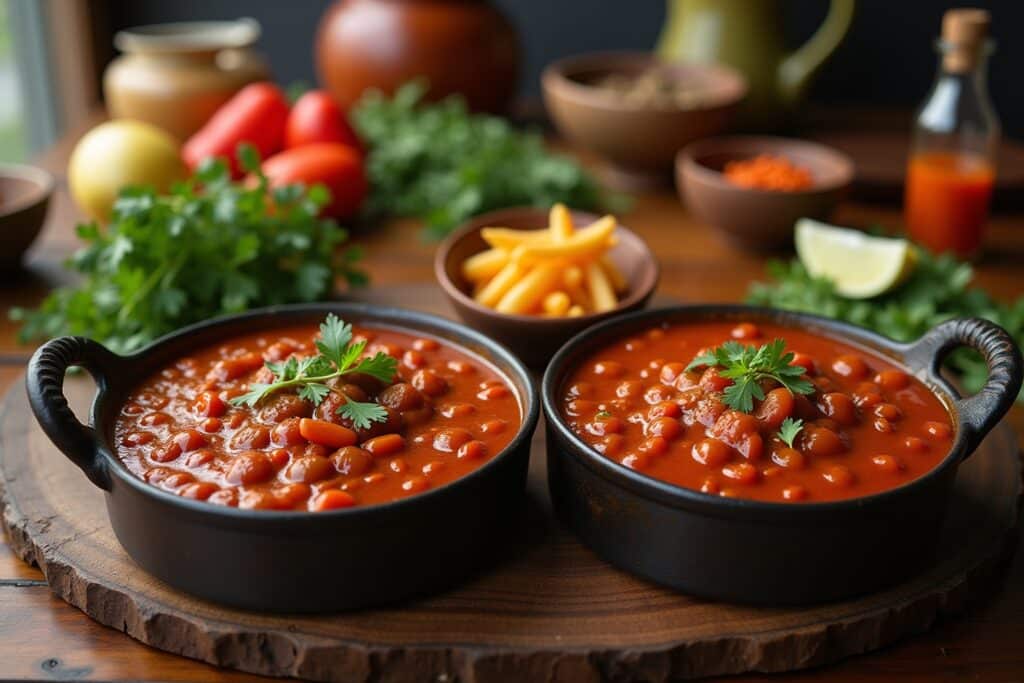
Unlocking the vibrant world of chili pepper recipes offers a thrilling culinary journey, transforming simple ingredients into complex flavor profiles that excite the palate. Whether you’re a seasoned chef or just beginning to explore the heat, this guide will help you discover delectable ways to incorporate chilies into your cooking.
These are the most popular Chili recipes products
Keine Produkte gefunden.The Art of Chili Pepper Selection
Choosing the right chili pepper is crucial for the desired flavor and heat level in your dishes. Each pepper boasts a unique profile, ranging from mild and fruity to intensely fiery and smoky. Understanding their Scoville Heat Units (SHU) is your first step to navigating this diverse landscape.
Bell Peppers
These are the mildest of the bunch, offering sweetness and crunch without any significant heat. They are perfect for salads, stir-fries, and stuffing. Varieties include red, yellow, orange, and green bell peppers, each with subtle flavor differences.
Jalapeño Peppers
A popular choice, jalapeños offer a moderate heat level (2,500–8,000 SHU) with a bright, grassy flavor. They are incredibly versatile and can be used fresh, pickled, stuffed, or roasted in countless recipes.
Serrano Peppers
Hotter than jalapeños (10,000–23,000 SHU), serranos provide a clean, sharp heat. They are excellent in salsas, marinades, and hot sauces where their punchy flavor can shine.
Habanero Peppers
Known for their intense heat (100,000–350,000 SHU) and distinct fruity, floral notes, habaneros are not for the faint of heart. They are fantastic in hot sauces, fruit-based relishes, and marinades for grilled meats.
Ghost Peppers (Bhut Jolokia)
Once the hottest pepper in the world, the ghost pepper (850,000–1,041,427 SHU) delivers extreme heat with a slightly sweet, smoky undertone. Use with extreme caution in very small quantities for sauces or extreme challenges.
Carolina Reapers
Currently holding the Guinness World Record for the hottest chili pepper (average 1,569,300 SHU), the Carolina Reaper offers blistering heat with fruity undertones. Its use is typically limited to extreme hot sauce formulations or by experienced chili enthusiasts.
Flavor Profiles and Culinary Applications
Beyond heat, chili peppers contribute a spectrum of flavors that can elevate your cooking. Consider the inherent characteristics of each pepper when pairing them with other ingredients.
- Sweet & Fruity: Habaneros, Scotch Bonnets, and some varieties of bell peppers offer sweet and tropical notes that pair well with fruits, seafood, and poultry.
- Earthy & Smoky: Anchos, Pasillas, and Chipotle peppers (smoked jalapeños) provide deep, earthy, and smoky flavors perfect for Mexican and Southwestern cuisine, stews, and rubs.
- Sharp & Grassy: Jalapeños and Serranos have a fresh, vibrant flavor that complements raw preparations like salsas, ceviches, and as a garnish.
- Citrusy: Some chilies, like the Thai chili, can have subtle citrusy notes that brighten up Asian-inspired dishes.
Essential Techniques for Working with Chili Peppers
Proper handling and preparation of chili peppers ensure both safety and optimal flavor extraction.
- Wearing Gloves: Always wear gloves when handling hot peppers, especially those with high SHU ratings. Capsaicin, the compound responsible for the heat, can cause severe irritation to skin and eyes.
- Removing Seeds and Membranes: For reduced heat, carefully remove the seeds and the white pith (membrane) inside the chili. These areas contain the highest concentration of capsaicin.
- Roasting Chilies: Roasting intensifies chili flavors, mellows their raw edge, and makes their skins easier to remove. This can be done under a broiler, on a grill, or directly over a gas flame.
- Drying Chilies: Dried chilies, such as ancho, guajillo, and arbol, offer concentrated flavors and are often rehydrated before use in sauces, moles, and stews.
- Pureeing Chilies: For smooth sauces and pastes, chilies can be pureed raw or after cooking.
Delectable Chili Pepper Recipe Categories
Explore a range of dishes where chili peppers are the star, from appetizers to main courses.
Fiery Appetizers and Snacks
Kickstart your meal with bold flavors. Chili peppers can add a kick to dips, appetizers, and bar snacks.
- Spicy Nachos: Layer tortilla chips with melted cheese, seasoned ground meat or beans, and a generous topping of diced jalapeños, serranos, or even a drizzle of hot sauce.
- Stuffed Jalapeños (Jalapeño Poppers): Halve and seed jalapeños, then fill them with cream cheese, cheddar, bacon, or a combination, and bake until golden and bubbly.
- Chili-Lime Shrimp Skewers: Marinate shrimp in lime juice, olive oil, minced garlic, and finely chopped chili peppers for a quick and zesty appetizer.
- Spicy Hummus: Blend roasted red peppers and a deseeded red chili into your favorite hummus recipe for an extra layer of flavor and warmth.
Vibrant Soups and Stews
Chili peppers add depth and complexity to comforting soups and hearty stews.
- Texas Chili con Carne: A true classic, this chili is rich with various dried chilies (like ancho and pasilla), beef, tomatoes, and spices.
- Spicy Black Bean Soup: Simmer black beans with onions, garlic, vegetable broth, and a blend of chili peppers for a smoky, hearty soup.
- Tom Yum Soup: This iconic Thai soup features a fragrant broth infused with lemongrass, galangal, lime leaves, and plenty of bird’s eye chilies for its signature heat.
- Gumbo: A cornerstone of Louisiana cuisine, gumbo often includes a “holy trinity” of vegetables and various chilies or hot sauces to build its complex flavor profile.
Bold Main Courses
Elevate your main dishes with the thrilling heat and flavor of chili peppers.
- Chipotle-Glazed Salmon: Brush salmon fillets with a glaze made from adobo sauce (from canned chipotles in adobo), honey, and lime juice before baking or grilling.
- Spicy Chicken Stir-Fry: Add thinly sliced fresh chilies (like Thai chilies or jalapeños) along with your favorite vegetables and protein for an authentic Asian-inspired stir-fry.
- Arrabiata Sauce: This classic Italian pasta sauce gets its name from the Italian word for “angry,” thanks to its generous use of red chili flakes (peperoncino).
- Jerk Chicken: A Jamaican staple, jerk chicken is marinated in a fiery blend of scotch bonnet peppers, allspice, thyme, and other spices, then traditionally grilled.
- Spicy Sausage and Peppers: Sauté Italian sausage with bell peppers and onions, and add sliced hot peppers or a pinch of red pepper flakes for a flavorful, simple meal.
Fiery Salsas, Sauces, and Condiments
Homemade salsas and hot sauces allow you to control the heat and flavor precisely.
- Pico de Gallo: A fresh Mexican salsa made with diced tomatoes, onions, cilantro, jalapeños, and lime juice.
- Salsa Verde: Typically made with tomatillos, cilantro, onions, garlic, and serrano or jalapeño peppers.
- Habanero Hot Sauce: Blend habanero peppers with vinegar, garlic, onion, and a touch of fruit (like mango or pineapple) for a sweet and fiery sauce.
- Chili Crisp: A popular condiment made with crispy fried chili flakes, garlic, Sichuan peppercorns, and other aromatics, offering a unique textural and flavor experience.
- Adobo Sauce: The smoky, slightly vinegary sauce from canned chipotle peppers in adobo is a versatile ingredient for marinades, dips, and glazes.
Global Chili Pepper Cuisine
Chili peppers are a global phenomenon, integral to cuisines worldwide.
| Region/Cuisine | Key Chili Peppers Used | Signature Dishes/Applications |
|---|---|---|
| Mexican | Jalapeño, Serrano, Poblano, Habanero, Ancho, Guajillo, Chipotle | Salsas, Mole, Enchiladas, Tacos, Chiles Rellenos, Pozole |
| Thai | Bird’s Eye Chili, Habanero | Tom Yum Soup, Pad Krapow, Green Curry, Som Tum (Papaya Salad) |
| Indian | Green Chilies (various types), Red Chili Powder | Curries, Chutneys, Samosas, Vada Pav, Vindaloo |
| Korean | Gochugaru (Korean Chili Flakes), Cheongyang Chili | Kimchi, Gochujang (Chili Paste), Jjigae (Stews) |
| Italian | Peperoncino (Dried Red Chilies) | Arrabiata Sauce, Aglio e Olio, Calabrian Chili Paste |
| Vietnamese | Bird’s Eye Chili, Thai Chili | Pho, Banh Mi, Nuoc Cham (Dipping Sauce) |
Pairing Chilies with Other Ingredients
The right complementary flavors can balance and enhance the heat of chili peppers.
- Acids: Lime juice, lemon juice, vinegar, and tomatoes cut through the richness and round out the heat.
- Sweeteners: Honey, agave, sugar, and fruits like mango, pineapple, or papaya can temper extreme heat and add a delightful contrast.
- Dairy: Yogurt, sour cream, cheese, and coconut milk provide cooling relief from spicy dishes.
- Fats: Olive oil, butter, avocado, and fatty meats can help coat the palate and moderate the intensity of the capsaicin.
- Herbs and Spices: Cilantro, mint, basil, cumin, coriander, and garlic work harmoniously with the earthy and pungent notes of chilies.
When to Use Fresh vs. Dried Chilies
Both fresh and dried chili peppers offer distinct advantages in cooking.
- Fresh Chilies: Provide bright, vibrant, and often more nuanced flavors. They are ideal for raw preparations like salsas, garnishes, and quick sautés where their crisp texture is desired. Their heat can be more immediate and pungent.
- Dried Chilies: Offer a concentrated, deeper, and often earthier or smokier flavor profile. They are excellent for slow-cooked dishes, moles, stews, and rubs where their complex flavors can meld and develop over time. Rehydrating dried chilies unlocks their potential for sauces and pastes.
These are the latest Chili recipes products with the best ratings.
Keine Produkte gefunden.FAQ – Frequently Asked Questions about Köstliche Chili Pepper Recipes entdecken
What is the best way to handle extremely hot chili peppers?
Always wear protective gloves when handling extremely hot chili peppers like ghost peppers or Carolina Reapers. Avoid touching your eyes, face, or any sensitive skin. After handling, wash your hands thoroughly with soap and cold water, and consider washing your cutting board and utensils immediately as well.
How can I reduce the heat in a chili pepper recipe?
You can reduce the heat by removing the seeds and membranes from the chili peppers before adding them to your dish. Using less of the hotter parts of the pepper or substituting with milder varieties will also help. Adding dairy products like yogurt, sour cream, or coconut milk, or incorporating sweet ingredients like honey or fruit can also help to balance and mellow the spiciness.
Can I freeze chili peppers?
Yes, you can freeze chili peppers. Wash them, pat them dry, and remove any stems. You can freeze them whole, sliced, or chopped. For easier use later, you can spread them out on a baking sheet to freeze individually before transferring them to a freezer bag or container. Frozen chilies may lose some of their crisp texture but retain their flavor and heat.
What is the difference between chili powder and cayenne pepper?
Chili powder is typically a blend of ground dried chilies (often ancho or other mild varieties) mixed with other spices like cumin, oregano, and garlic powder. Cayenne pepper, on the other hand, is made from ground, dried cayenne chilies and is primarily used for its heat and distinct flavor without the added spices found in chili powder blends.
How can I tell if my chili peppers are too hot for a recipe?
Taste a tiny amount of the chili pepper (if you dare!) or a small portion of the prepared dish. You can also estimate based on the type of chili you are using and its typical Scoville Heat Unit rating. If you find it too hot, employ the methods mentioned above to reduce the heat, such as adding dairy, sweetness, or acidity.
Are there any health benefits to eating chili peppers?
Yes, chili peppers contain capsaicin, the compound responsible for their heat, which has been linked to various health benefits. These include potential pain relief, an increased metabolism, and antioxidant properties. They are also a good source of vitamins A and C.


