
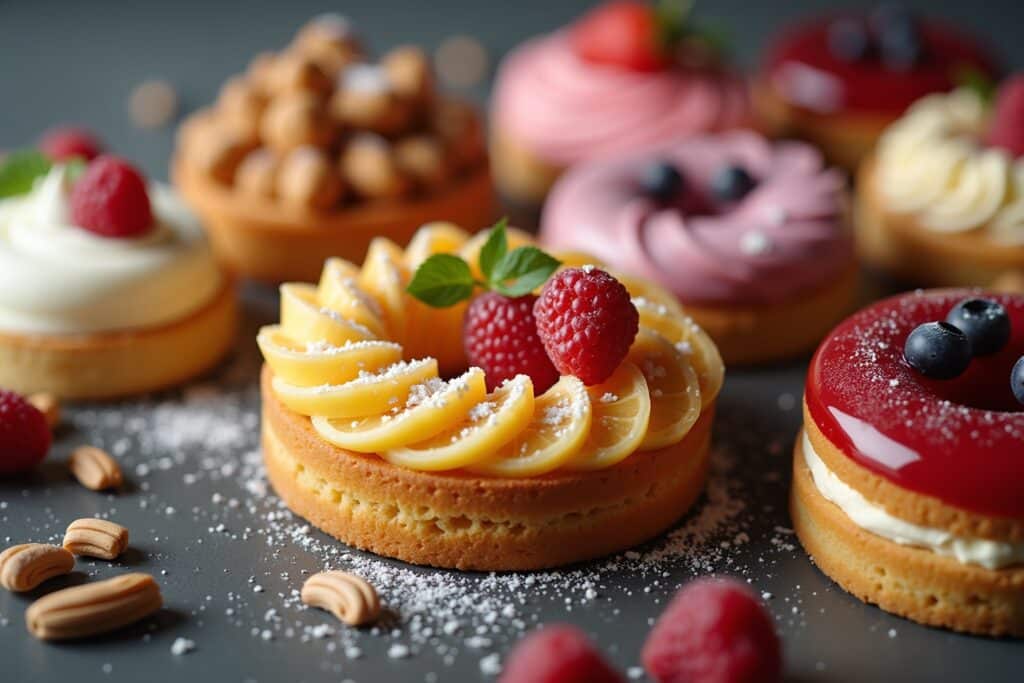
Craving sweet perfection that elevates any occasion? You’re searching for dessert recipes that are not only incredibly tasty but also achievable for home bakers, promising delightful results every time.
These are the most popular Dessert Cookbook products
Keine Produkte gefunden.The Pillars of Decadent Dessert Creation
Understanding Essential Dessert Components
Mastering the art of dessert making begins with a solid understanding of key components. Flour provides structure, sugar offers sweetness and aids in browning, fats like butter and oil contribute to tenderness and moisture, and eggs act as binders and leavening agents. Leaveners, such as baking soda and baking powder, create the airy texture so desirable in baked goods. Understanding the role of each ingredient allows for informed adjustments and troubleshooting, leading to consistently superior outcomes in your baking endeavors.
Flavor Profiles: The Soul of Your Desserts
The magic of a truly memorable dessert lies in its flavor profile. Consider the interplay of sweet, tart, bitter, and savory notes. Chocolate, with its inherent bitterness and complex notes, pairs beautifully with bright citrus fruits or the warmth of spices like cinnamon and nutmeg. Vanilla, a universally beloved flavor, serves as a versatile base that enhances and rounds out other tastes. Fruits offer natural sweetness and acidity, from the robust tang of berries to the subtle sweetness of stone fruits. Don’t shy away from incorporating a pinch of salt; it doesn’t make your dessert salty, but rather intensifies and balances the sweetness, making the overall flavor more profound and satisfying. Exploring different extracts, liqueurs, and spices can unlock a new dimension of taste in your creations.
Texture: The Tactile Experience
Texture is as crucial as flavor in defining a dessert’s appeal. A delightful dessert should offer a pleasing contrast of textures – think crispy meringue against creamy custard, or a fudgy brownie with a slightly chewy edge. Achieving this involves precise ingredient ratios and correct cooking techniques. Overmixing batters can develop gluten excessively, leading to tough cakes, while underbaking can result in a dense, gummy texture. Conversely, baking too long can lead to dry, crumbly results. Understanding the physics of baking, such as how moisture evaporates and sugar caramelizes, is key to achieving the desired textural outcome. Whether you aim for airy lightness, rich density, or a delightful crunch, mastering texture is fundamental to dessert excellence.
A Curated Collection: 17 Delicious Desserts to Inspire You
This selection of 17 dessert recipes covers a spectrum of tastes and complexities, ensuring you’ll find the perfect sweet treat for any craving or occasion. From classic comfort bakes to elegant finales, these recipes are designed to be approachable yet impressive.
Quick & Easy Delights (Under 30 Minutes)
- No-Bake Chocolate Peanut Butter Bars: A no-fuss classic with layers of crunchy peanut butter goodness and rich chocolate.
- Easy Berry Crumble: Fresh berries baked under a buttery, crisp oat topping – perfect served warm with ice cream.
- Lemon Raspberry Parfaits: Layers of zesty lemon cream, fresh raspberries, and crunchy granola for a refreshing treat.
- Microwave Chocolate Mug Cake: Indulge in a single-serving, warm chocolate cake in minutes.
Classic Comforts & Crowd-Pleasers
- Decadent Chocolate Lava Cakes: Individual molten chocolate cakes with a gooey, warm center.
- Classic Apple Pie: A timeless favorite with tender spiced apples encased in a flaky, golden crust.
- New York Style Cheesecake: Rich, creamy, and dense, with a buttery graham cracker crust.
- Fluffy Vanilla Bean Soufflé: An elegant and surprisingly achievable airy baked custard.
- Ultimate Brownies: Fudgy, chewy, and deeply chocolatey – the quintessential brownie experience.
Fruity & Fresh Creations
- Strawberry Rhubarb Crisp: A delightful balance of sweet strawberries and tart rhubarb under a crunchy topping.
- Key Lime Pie: Tangy, creamy, and cooling, with a signature graham cracker crust.
- Peach Cobbler: Sweet, ripe peaches baked under a tender, biscuit-like topping.
- Lemon Meringue Pie: A vibrant lemon filling crowned with billowy, toasted meringue.
Showstoppers & Special Occasions
- Tiramisu: Layers of coffee-soaked ladyfingers and mascarpone cream, dusted with cocoa.
- Red Velvet Cake with Cream Cheese Frosting: A visually stunning and uniquely flavored cake.
- Pavlova with Fresh Berries: A crisp meringue shell filled with whipped cream and vibrant fruits.
- Carrot Cake with Cream Cheese Frosting: Moist, spiced cake studded with nuts and fruit, topped with tangy cream cheese frosting.
Dessert Recipe Categories at a Glance
| Category | Key Characteristics | Preparation Time (Estimate) | Difficulty Level | Ideal For |
|---|---|---|---|---|
| Quick & Easy Delights | Minimal ingredients, no complex techniques, fast assembly. | Under 30 minutes | Beginner | Weeknight cravings, unexpected guests. |
| Classic Comforts | Familiar flavors, traditional methods, satisfyingly rich. | 30-60 minutes (active) + baking time | Beginner to Intermediate | Family gatherings, cozy evenings. |
| Fruity & Fresh | Emphasis on fresh or cooked fruits, bright flavors, often lighter. | 30-60 minutes (active) + baking time | Beginner to Intermediate | Spring and summer events, lighter finales. |
| Showstoppers | More intricate presentation, special ingredients, often multi-step. | 60+ minutes (active) + chilling/baking time | Intermediate to Advanced | Holidays, birthdays, impressing guests. |
Mastering Techniques for Perfect Desserts
The Art of Baking Cakes
Achieving a perfectly baked cake relies on several critical factors. Start by accurately measuring your ingredients, particularly flour, which can be easily compacted. Sifting dry ingredients, including flour, cocoa powder, and leavening agents, helps to aerate them and prevent lumps, contributing to a lighter crumb. When mixing cake batters, avoid overmixing once the flour is added, as this develops gluten and can result in a tough cake. Creaming butter and sugar until light and fluffy incorporates air, which aids in leavening and creates a tender texture. Oven temperature is paramount; ensure your oven is accurately preheated. Use an oven thermometer for precision. Baking times are guidelines; a cake is done when a toothpick inserted into the center comes out clean or with a few moist crumbs attached. Cooling cakes in the pan for a short period before inverting them onto a wire rack prevents them from breaking and allows steam to dissipate, preventing sogginess.
Perfecting Pie Crusts
A flaky pie crust is the hallmark of a superior pie. The key to flakiness lies in keeping the fat (typically butter or shortening) cold and in distinct pieces. As the pie bakes, these fat pieces melt, creating steam that separates the dough layers. Use ice-cold water when making your dough; it helps keep the fat solid. Handle the dough as little as possible to avoid developing the gluten too much, which can lead to a tough crust. Chilling the dough before rolling and again after lining the pie plate allows the gluten to relax and the fat to firm up, resulting in a more tender and less prone-to-shrinking crust. Blind baking, or pre-baking the crust before adding the filling, is essential for pies with wet fillings to prevent a soggy bottom. Use pie weights or dried beans to keep the crust from puffing up during blind baking.
The Creamy World of Custards and Cheesecakes
Custards and cheesecakes rely on gentle heat for their signature smooth, creamy texture. Overheating can cause them to curdle or become rubbery. For cheesecakes, a water bath (bain-marie) is often recommended. Placing the springform pan within a larger pan filled with hot water helps to create a humid environment and ensures even, gentle cooking, preventing cracks and promoting a creamy consistency. For custards, such as those used in crème brûlée or flan, tempering eggs is a crucial step. This involves gradually whisking a small amount of the hot liquid into the beaten eggs before returning the mixture to the saucepan. This process slowly raises the temperature of the eggs, preventing them from scrambling. Straining the custard mixture before cooking further ensures a silky smooth texture.
Elevating Your Dessert Experience
Presentation Matters
Even the simplest dessert can be transformed into something special with thoughtful presentation. Consider the vessel: elegant serving dishes, charming ramekins, or rustic cast-iron skillets can enhance the visual appeal. Garnishes play a significant role; a dusting of powdered sugar, a sprig of fresh mint, a scattering of toasted nuts, or a drizzle of fruit coulis can add color, texture, and an extra layer of flavor. For layered desserts like parfaits or tiramisu, clear glasses allow the beautiful strata to be admired. Think about color contrasts and height to create a visually appealing plate or serving. Even the way you cut and arrange slices of cake or pie can make a difference.
Pairing Desserts with Beverages
The right beverage can beautifully complement and enhance the flavors of your dessert. For rich chocolate desserts, a full-bodied red wine like a port or a stout beer can stand up to the intensity. Lighter, fruit-based desserts often pair well with crisp white wines, sparkling wine, or even iced tea. Coffee is a classic accompaniment to many desserts, especially those with caramel, chocolate, or spice notes. Consider the sweetness level; a dessert that is too sweet might clash with an overly sweet beverage. Conversely, a touch of acidity in a drink can cut through the richness of a creamy dessert, providing a palate-cleansing effect.
These are the latest Dessert Cookbook products with the best ratings.
Keine Produkte gefunden.FAQ – Frequently Asked Questions About 17 Delicious Desserts Recipes
What is the easiest dessert recipe for a beginner?
For beginners, the No-Bake Chocolate Peanut Butter Bars or the Microwave Chocolate Mug Cake are excellent choices. They require minimal ingredients and no complex baking techniques, offering a quick and satisfying sweet treat with very little risk of error.
Which dessert recipe is best for a special occasion?
For a special occasion, consider the Decadent Chocolate Lava Cakes, New York Style Cheesecake, or the Red Velvet Cake. These desserts are often seen as impressive and celebratory, offering a rich and memorable experience for guests.
Can I make most of these desserts ahead of time?
Many of these desserts can be prepared in advance. Cheesecakes and Tiramisu are often best made a day ahead to allow flavors to meld. Cakes can typically be baked and frosted a day in advance. Pie crusts can be made and chilled, and fruit fillings can be prepared. However, desserts with delicate textures like soufflés or those with toppings that could become soggy are best made closer to serving time.
What if my pie crust is soggy?
A soggy pie crust is usually due to excess moisture from the filling or insufficient pre-baking. Ensure you blind bake the crust adequately if your recipe calls for it, especially for wet fillings. Using a thickened filling can also help. Additionally, make sure the oven is hot enough and bake the pie on the lower rack to encourage better heat circulation to the bottom crust.
How can I ensure my cheesecake doesn’t crack?
Cheesecake cracking is often caused by overbaking or rapid temperature changes. Using a water bath during baking helps maintain a moist environment and cooks the cheesecake gently and evenly, preventing it from drying out and cracking. Allowing the cheesecake to cool gradually in the oven with the door slightly ajar before refrigerating also helps minimize cracking.
What are some common ingredient substitutions for desserts?
Common substitutions include using vegetable oil for butter in some cakes for added moisture, or using a dairy-free milk and butter alternative for vegan recipes. For gluten-free baking, various gluten-free flour blends can often be used. In recipes calling for eggs, flax eggs or commercial egg replacers can be used for vegan options, though the texture might be slightly altered.


