
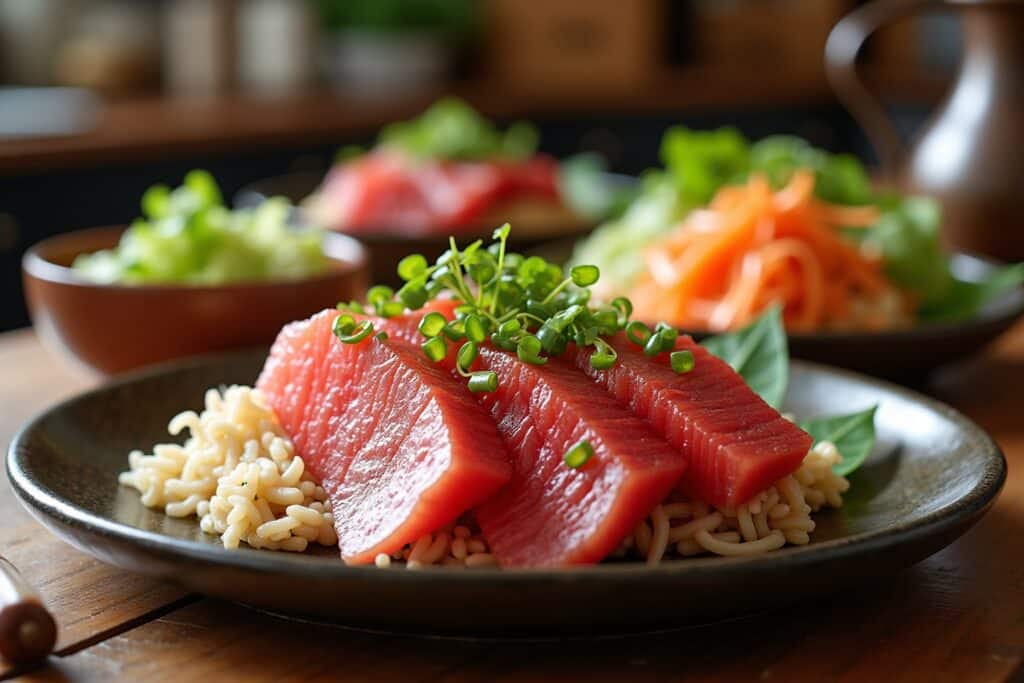
Mastering Japanese cuisine at home is more achievable than you might think, even with a busy schedule. You’re looking for straightforward, delicious recipes that capture the authentic flavors of Japan without requiring professional culinary skills or obscure ingredients.
These are the most popular Japanese cookbook products
Keine Produkte gefunden.Discover the Simplicity of 17 Easy Japanese Recipes
Embarking on a culinary journey into Japanese cooking can seem daunting, but with the right guidance, it becomes an exciting and rewarding experience. This collection of 17 easy Japanese recipes is designed to bring the vibrant tastes and textures of Japan directly to your kitchen. Whether you’re a complete beginner or looking to expand your repertoire, these dishes offer a gateway to understanding the principles of Japanese home cooking: balance, seasonality, and meticulous preparation of fresh ingredients. You’ll find that many of these recipes rely on simple techniques and readily available pantry staples, proving that authentic Japanese flavors are within your reach.
A Culinary Overview: Your Guide to Effortless Japanese Dishes
This selection focuses on dishes that are not only simple to prepare but also representative of popular Japanese home-style cooking. You’ll encounter a range of options, from comforting noodle dishes and savory rice bowls to quick appetizers and flavorful vegetable preparations. The emphasis is on maximizing flavor with minimal fuss, utilizing key Japanese ingredients like soy sauce (shoyu), mirin (sweet rice wine), sake, dashi (Japanese soup stock), and miso paste. Understanding these foundational elements will unlock a world of flavor for countless other Japanese dishes.
Noodle Delights for Every Occasion
Noodles are a cornerstone of Japanese cuisine, offering versatility and satisfying flavors. This category includes quick stir-fries and warming broths, perfect for a speedy weeknight meal or a comforting lunch.
- Yaki Udon: Thick udon noodles stir-fried with your choice of protein (chicken, beef, or tofu) and vegetables in a savory sauce. This dish is incredibly adaptable to whatever you have on hand.
- Quick Ramen: While authentic ramen can be complex, this recipe focuses on building a rich broth quickly, perhaps using a good quality dashi base, and topping with instant ramen noodles, a soft-boiled egg, and your favorite toppings like scallions and nori.
- Cold Soba with Dipping Sauce (Zaru Soba): Buckwheat soba noodles are a healthy and delicious option, especially during warmer months. Served chilled with a refreshing tsuyu (dipping sauce), it’s a light yet satisfying meal.
- Kitsune Udon: A comforting bowl of udon noodles in a mild dashi broth, topped with sweet, simmered seasoned tofu pockets (aburaage). It’s simple, warming, and deeply satisfying.
Rice Bowls: The Heart of Japanese Home Cooking
Rice is fundamental to Japanese meals, and rice bowls (donburi) are a popular and convenient way to enjoy a complete dish. These are typically a bowl of steamed rice topped with various ingredients.
- Chicken Teriyaki Donburi: Tender chicken pieces coated in a sweet and savory teriyaki glaze, served over a bed of fluffy rice. This is a universally loved classic.
- Gyudon (Beef Bowl): Thinly sliced beef and onions simmered in a mildly sweet and savory sauce, served over rice. It’s a popular fast-food item in Japan for a reason – it’s quick, affordable, and delicious.
- Oyakodon (Chicken and Egg Bowl): Literally translating to “parent and child bowl,” this dish features chicken and onions simmered in a dashi-based sauce, then bound together with beaten eggs and served over rice. It’s a comforting and one-bowl meal.
- Tofu and Mushroom Donburi: A fantastic vegetarian option where firm tofu and various mushrooms are stir-fried or simmered in a flavorful sauce and served over rice.
Savory Appetizers and Sides
Elevate your meal or enjoy a light snack with these easy-to-prepare Japanese starters and side dishes. They are perfect for sharing or complementing a larger meal.
- Gyoza (Pan-Fried Dumplings): While making wrappers from scratch is time-consuming, using store-bought gyoza wrappers makes this a manageable and incredibly rewarding dish. Pan-frying creates a crispy bottom and a steamed top.
- Agedashi Tofu: Silken tofu, lightly dusted in potato starch and deep-fried until golden, then served in a warm tentsuyu (dashi-based broth) with toppings like grated daikon and ginger. It’s deceptively simple and incredibly elegant.
- Edamame: Steamed or boiled edamame pods, lightly salted. This is the ultimate simple, healthy, and addictive Japanese snack.
- Miso Soup: A fundamental Japanese soup made with dashi stock and miso paste, often with additions like tofu, wakame seaweed, and scallions. It’s quick to prepare and offers a complex, umami-rich flavor.
Vegetable Preparations and Salads
Japanese cuisine emphasizes fresh vegetables, prepared in ways that highlight their natural flavors and textures. These recipes offer healthy and vibrant additions to any meal.
- Sesame Spinach Salad (Gomae): Blanched spinach tossed in a creamy, nutty sesame dressing. This is a classic Japanese side dish that is both healthy and delicious.
- Cucumber and Wakame Salad (Sunomono): Thinly sliced cucumbers and rehydrated wakame seaweed in a tangy rice vinegar dressing. It’s a refreshing and palate-cleansing salad.
- Stir-fried Garlic Bok Choy: A simple yet flavorful way to prepare bok choy, stir-fried with garlic and a touch of soy sauce or oyster sauce.
- Kinpira Gobo: A traditional Japanese dish made from thinly julienned burdock root and carrot, stir-fried and simmered in a sweet soy sauce mixture. It has a unique, slightly crunchy texture and a wonderful sweet-savory flavor.
- Tamagoyaki (Rolled Omelet): A slightly sweet, rolled Japanese omelet made by cooking thin layers of seasoned egg and rolling them up in a square pan. It’s a popular bento box item and a versatile dish.
Culinary Technique Highlights for Easy Japanese Cooking
The success of these easy Japanese recipes lies in understanding a few core techniques and ingredient functionalities.
The Power of Dashi: The Umami Foundation
Dashi is the soul of many Japanese dishes, providing a subtle yet profound umami depth. While traditional kombu (kelp) and katsuobushi (bonito flakes) dashi is ideal, for ease, you can utilize instant dashi granules or powder, which are widely available in Asian markets and online. Understanding how to properly dissolve and incorporate dashi is crucial for building authentic flavor profiles in soups, sauces, and braising liquids.
Soy Sauce, Mirin, and Sake: The Flavor Trifecta
These three ingredients form the backbone of many Japanese marinades, glazes, and sauces.
- Soy Sauce (Shoyu): Provides salinity and umami. Japanese soy sauce (like Kikkoman) is generally preferred for its balanced flavor.
- Mirin: A sweet rice wine that adds a delicate sweetness, a glossy sheen to cooked dishes, and helps tenderize meats. A no-alcohol mirin is also available and works well.
- Sake: Japanese rice wine used for its subtle flavor, to tenderize ingredients, and to reduce any gamey or fishy odors. Cooking sake is a good option for recipes.
The ratio of these ingredients can be adjusted to achieve the desired sweetness, saltiness, and depth of flavor.
Stir-Frying Techniques for Optimal Texture
Many of these recipes involve stir-frying, a quick cooking method that preserves the crispness and vibrant color of vegetables. The key is high heat and constant motion. Ensure your pan is hot before adding ingredients, and don’t overcrowd the pan, as this will cause ingredients to steam rather than fry. Preparing all your ingredients (chopping vegetables, marinating protein) before you start cooking is essential for a smooth stir-fry.
Simmering for Tenderness and Flavor Infusion
For dishes like Gyudon or Oyakodon, simmering is used to gently cook ingredients and allow flavors to meld. This usually involves a liquid base (often dashi, soy sauce, and mirin) in which ingredients cook slowly over low to medium heat. This process tenderizes meats and infuses them with the savory broth.
Key Ingredients and Where to Find Them
To successfully recreate these easy Japanese recipes, stocking your pantry with a few essentials will make a significant difference. You’ll find most of these items at well-stocked supermarkets, Asian grocery stores, or online retailers.
| Category | Key Ingredients | Typical Uses | Notes for Beginners |
|---|---|---|---|
| Sauces & Seasonings | Soy Sauce, Mirin, Sake, Rice Vinegar, Sesame Oil, Miso Paste (white and red), Dashi Granules/Powder | Marinades, glazes, dressings, soups, stir-fries, dipping sauces | Start with Japanese brands for authentic flavor. White miso is milder for beginners. Instant dashi is a time-saver. |
| Grains & Noodles | Sushi Rice, Udon Noodles, Soba Noodles, Ramen Noodles (instant or fresh) | Main courses, side dishes, soups | Sushi rice is short-grain and sticky. Udon is thick and chewy, soba is buckwheat, ramen is thin and springy. |
| Proteins | Chicken Thighs/Breasts, Thinly Sliced Beef (e.g., ribeye), Firm/Silken Tofu, Eggs, Shrimp | Donburi, stir-fries, noodle toppings, appetizers | Chicken thighs are more forgiving and flavorful for stir-fries. Use good quality, fresh tofu. |
| Vegetables & Aromatics | Bok Choy, Spinach, Mushrooms (shiitake, enoki), Cucumber, Carrots, Scallions, Garlic, Ginger, Edamame, Wakame Seaweed | Stir-fries, salads, soups, garnishes | Freshness is key. Dried wakame rehydrates quickly. |
| Pantry Staples | Potato Starch/Cornstarch, Vegetable Oil, Sugar | Thickening sauces, frying, balancing flavors | Potato starch is often preferred for a lighter crispness in frying. |
These are the latest Japanese cookbook products with the best ratings.
Keine Produkte gefunden.FAQ – Frequently Asked Questions about 17 Easy Japanese Recipes
Can I substitute ingredients in these recipes?
Yes, most of these recipes are quite forgiving. For example, you can often substitute chicken thighs with chicken breast or firm tofu for protein. Vegetables can be swapped based on seasonality and availability. However, try to stick to the core Japanese seasonings like soy sauce and mirin for authenticity. If you can’t find sake, a dry sherry or even a bit more mirin can sometimes work as a substitute, though it will alter the flavor profile slightly.
What is the best way to store leftover Japanese dishes?
Leftovers should be cooled quickly and stored in airtight containers in the refrigerator. Most cooked dishes, like noodle stir-fries or rice bowls, are best consumed within 2-3 days. Soups can also be refrigerated. It’s generally best to reheat leftovers gently; avoid microwave overheating which can make noodles mushy or tofu rubbery.
Are these recipes suitable for beginners with no prior Japanese cooking experience?
Absolutely. This selection is curated specifically for beginners. The techniques are straightforward, and the recipes are designed to be achievable without specialized equipment or advanced culinary knowledge. The emphasis is on simple preparation methods and readily available ingredients.
How can I make these recipes healthier?
You can easily make these recipes healthier by reducing the amount of oil used in stir-fries, opting for leaner protein sources like chicken breast or extra-firm tofu, and increasing the quantity and variety of vegetables. For rice bowls, consider using brown rice instead of white rice. Reducing sodium by using low-sodium soy sauce and being mindful of added sugars in sauces will also contribute to a healthier dish.
What equipment is essential for these recipes?
You won’t need much specialized equipment. A good quality wok or a large, non-stick frying pan is essential for stir-fries. A sharp knife and cutting board are standard kitchen tools. For Tamagoyaki, a rectangular omelet pan is ideal, but you can achieve a rolled omelet in a small round non-stick pan with practice. Basic measuring cups and spoons are also necessary.
Where can I find authentic Japanese ingredients?
Most major cities have dedicated Asian grocery stores that offer a wide selection of Japanese ingredients. Online retailers are also an excellent resource, providing convenience and access to a vast array of products. Even larger supermarkets are increasingly stocking common Japanese staples like soy sauce, mirin, and rice vinegar.


