
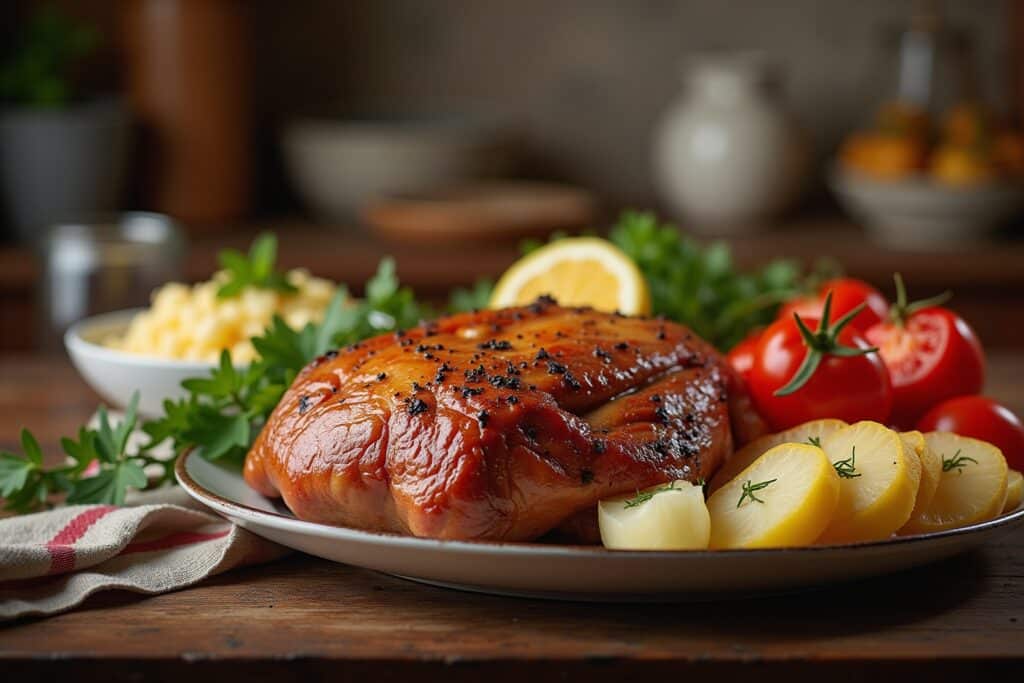
Embark on a culinary exploration of German cuisine and unlock the secrets behind its diverse and hearty dishes, whether you’re a home cook seeking authentic flavors or a food enthusiast eager to understand its rich heritage.
These are the most popular German Cookbook products
Keine Produkte gefunden.The Heart of German Cuisine: Staples and Traditions
German cooking is often characterized by its comforting, substantial nature, reflecting a history deeply connected to agriculture and regional self-sufficiency. While often stereotyped as solely focusing on sausages and potatoes, the reality is a tapestry woven with distinct regional variations, seasonal ingredients, and time-honored preparation methods. You’ll discover that understanding these core elements provides a foundational appreciation for the breadth of dishes available.
At its core, German cuisine relies on readily available and often robust ingredients. Potatoes, in their myriad forms – boiled (Salzkartoffeln), mashed (Kartoffelpüree), fried (Bratkartoffeln), or as dumplings (Knödel or Klöße) – are a ubiquitous accompaniment to many meals. Cabbage, particularly sauerkraut (fermented cabbage) and Rotkohl (red cabbage, often sweet and sour), offers a tangy counterpoint to richer dishes. Meats, especially pork, are central, with a vast array of sausages (Wurst) representing a significant cultural icon, from the finely ground Bratwurst to the hearty Leberkäse.
Bread is another cornerstone. Germany boasts an unparalleled variety of bread types, with over 300 recognized kinds, many made with rye, spelt, or whole grains, providing essential sustenance and a perfect vehicle for savory toppings or alongside hearty stews.
Regional Diversity: A Culinary Map of Germany
Germany is a federal republic, and this political structure mirrors its culinary landscape, with each of the 16 states offering unique specialties shaped by geography, climate, and historical influences. Understanding these regional differences is key to appreciating the true depth of German recipes.
Bavaria (Bayern)
Southern Bavaria is perhaps the most internationally recognized region for its hearty fare. Expect dishes like Schweinshaxe (roasted pork knuckle), Weißwurst (a delicate white sausage, traditionally eaten before noon), Leberkäse, and Knödel. Beer gardens are synonymous with Bavarian culinary culture, offering simple yet delicious accompaniments like pretzels (Brezn) and Obatzda (a cheese spread).
Swabia (Schwaben)
Located in the southwest, Swabian cuisine is known for its ingenuity and often lighter, yet still satisfying, dishes. Maultaschen, a type of filled pasta resembling ravioli, are a prime example, often served in broth or pan-fried. Spätzle, a soft egg noodle, is another Swabian staple, a perfect accompaniment to rich gravies or used in dishes like Käsespätzle (cheese noodles).
Rhineland (Rheinland)
The western region of the Rhineland offers a blend of influences. Sauerbraten, a marinated roast beef, is a classic. Himmel un Ääd (Heaven and Earth) is a unique dish combining mashed potatoes (Earth) and mashed apples (Heaven), often served with black pudding (Blutwurst).
North Germany (Norddeutschland)
The coastal regions naturally feature an abundance of seafood. Fischbrötchen (fish rolls) are a popular snack. Hearty stews and casseroles are also common, often incorporating ingredients like kale (Grünkohl), especially in the colder months, frequently served with various types of smoked sausage and pork.
East Germany (Ostdeutschland)
While having faced unique historical challenges, the cuisine of eastern Germany preserves traditional dishes. Thüringer Rostbratwurst is a famous grilled sausage. Quark, a fresh dairy product similar to cottage cheese, features prominently in both sweet and savory dishes.
Key German Dishes and Their Significance
Beyond regional specifics, certain dishes have achieved national acclaim and are considered essential components of the German culinary identity. Mastering these recipes can elevate your understanding and enjoyment of German food.
Roast Meats and Stews
German cuisine excels in slow-cooked, flavorful meat dishes. Goulash, a hearty stew of meat and vegetables seasoned with paprika, finds its German iteration often rich and satisfying. Schweinebraten (roast pork) is a Sunday staple in many households, often served with crackling skin and a rich gravy.
Sausages (Wurst)
The sheer variety of German sausages is staggering. You’ll encounter:
- Bratwurst: A general term for grilled sausage, with countless regional variations.
- Currywurst: A popular fast-food item, a sliced bratwurst topped with curry ketchup and curry powder.
- Wiener Würstchen (Frankfurters): Small, smoked pork sausages, often served with mustard.
- Blutwurst: Black pudding made with blood, a key ingredient in dishes like Himmel un Ääd.
Dumplings and Noodles
Knödel and Klöße are soft dumplings made from various starches, most commonly potatoes or bread. They are perfect for soaking up rich sauces and gravies. Spätzle, as mentioned, are a soft, irregular noodle, a testament to Swabian culinary ingenuity.
Vegetable Dishes
While meat often takes center stage, vegetables are crucial for balance. Sauerkraut, fermented cabbage, provides a sharp, probiotic-rich accompaniment. Rotkohl (red cabbage), often slow-cooked with apples and vinegar, offers a delightful sweet and sour flavor profile.
Desserts and Baked Goods
German desserts are often comforting and fruit-forward. Apfelstrudel (apple strudel), though with Austrian origins, is a beloved treat. Käsekuchen (cheesecake) is a dense and creamy delight. The tradition of cakes and pastries is strong, with many regions boasting their own specialties.
A Table of German Culinary Highlights
| Category | Key Dishes | Description | Common Accompaniments |
|---|---|---|---|
| Hearty Mains | Schweinebraten, Sauerbraten, Goulash | Slow-cooked, flavorful meat dishes, often with rich gravies. | Potatoes (boiled, mashed, fried), dumplings, red cabbage. |
| Sausages (Wurst) | Bratwurst, Currywurst, Weißwurst | A vast array of pork, veal, and beef sausages, prepared through grilling, frying, or boiling. | Mustard, bread, sauerkraut, potato salad. |
| Dumplings & Noodles | Kartoffelknödel, Semmelknödel, Spätzle | Starchy preparations that serve as excellent vehicles for sauces and stews. | Gravy, stews, fried with eggs and cheese. |
| Vegetable Sides | Sauerkraut, Rotkohl | Fermented cabbage and slow-cooked red cabbage, offering vital acidity and sweetness. | Served alongside meat dishes to balance richness. |
| Sweets & Desserts | Apfelstrudel, Käsekuchen, Schwarzwälder Kirschtorte | Comforting and often fruit-based desserts, as well as rich cakes. | Whipped cream, vanilla sauce, coffee. |
Mastering German Recipes in Your Kitchen
Bringing authentic German flavors into your home is achievable with a focus on technique and quality ingredients. Many traditional recipes emphasize slow cooking, allowing flavors to meld and meats to become tender. Don’t shy away from spices like paprika, caraway seeds, and marjoram, which are integral to the taste profile.
For many German dishes, preparation begins long before cooking. Marinating meats for Sauerbraten, for instance, is crucial for tenderizing and infusing flavor. Similarly, the fermentation process for sauerkraut, while time-consuming, yields an unparalleled depth of taste.
When preparing dumplings, using the correct type of potato (starchy) is important for achieving the right texture. For Spätzle, a simple batter of eggs, flour, and water, pushed through a colander or a Spätzle maker directly into boiling water, is the traditional method.
Don’t underestimate the power of a good gravy or sauce. Many German dishes are elevated by their accompanying liquid elements, often made from pan drippings, stock, and a thickening agent, seasoned to perfection.
These are the latest German Cookbook products with the best ratings.
Keine Produkte gefunden.FAQ – Frequently Asked Questions about German Recipes: Vielfalt der Küche
What is the most iconic German dish?
While it’s difficult to pinpoint a single most iconic dish due to the country’s rich regional diversity, dishes like Bratwurst, Schnitzel (though its origins are debated, it’s a national favorite), and Sauerbraten are widely recognized symbols of German cuisine globally. The concept of a hearty, meat-and-potato-centric meal is also a strong defining characteristic.
Are German recipes difficult to prepare?
The difficulty of German recipes varies greatly. Some, like a simple boiled potato dish or a basic Bratwurst preparation, are very easy. Others, such as a traditional Sauerbraten that requires days of marination and slow roasting, or complex dumplings, can be more time-consuming and require specific techniques. However, with clear instructions and quality ingredients, most home cooks can successfully prepare a wide range of German dishes.
What are the staple ingredients in German cooking?
Staple ingredients include potatoes in various forms, cabbage (fresh and fermented like sauerkraut), pork and other meats, rye and wheat for bread, dairy products like Quark and butter, onions, and a range of spices such as paprika, caraway seeds, marjoram, and nutmeg. Apples and other seasonal fruits are also important for both sweet and savory dishes.
Is German food generally considered healthy?
German cuisine is traditionally hearty and can be rich, often featuring substantial portions of meat, potatoes, and bread. However, it also incorporates plenty of vegetables, especially root vegetables and cabbage, and its emphasis on fresh, seasonal ingredients contributes to its nutritional value. Fermented foods like sauerkraut offer probiotic benefits. Modern interpretations and mindful portioning can make German meals a balanced part of a healthy diet.
What is the role of bread in German cuisine?
Bread is a fundamental element of German culinary culture, far beyond a mere side dish. Germany is renowned for its immense variety of breads, with hundreds of regional types made from rye, wheat, spelt, and mixed grains. Bread is eaten at breakfast, as a midday snack (often open-faced sandwiches), and accompanies many evening meals. It’s a source of sustenance, tradition, and regional identity.
How does seasonality influence German recipes?
Seasonality plays a significant role in traditional German cooking. Spring brings asparagus (Spargel), which is celebrated with numerous dishes. Summer offers an abundance of fresh fruits and vegetables. Autumn is the time for hearty root vegetables, mushrooms, and game. Winter meals are often warming and comforting, featuring preserved ingredients like sauerkraut and root vegetables, as well as festive holiday dishes.


