
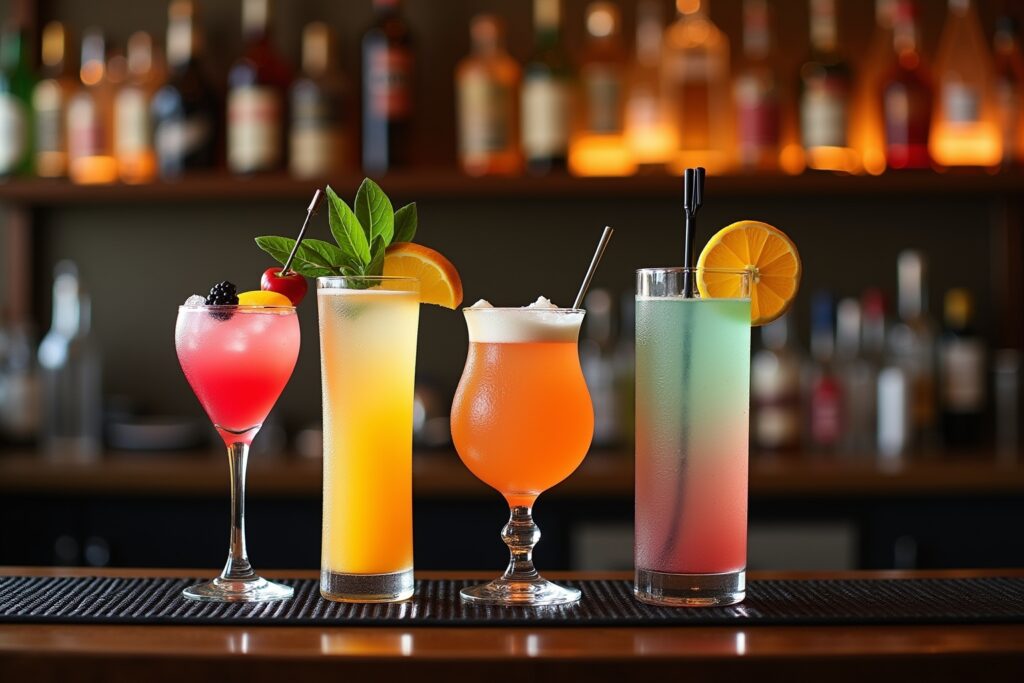
Unlock the secrets to crafting unforgettable drinks that go beyond the ordinary, transforming your home bar into a haven of innovation and delight. If you’re looking to impress your guests or simply elevate your personal mixology skills, exploring creative cocktail recipes is your gateway to a world of flavor, aroma, and presentation.
These are the most popular Cocktail Book products
Keine Produkte gefunden.The Art of Crafting Original Cocktail Recipes
Creative cocktail recipes are born from a blend of imagination, an understanding of flavor profiles, and a willingness to experiment. They challenge the conventional, introducing novel ingredients, unexpected combinations, and unique preparation techniques. The goal is not just to make a drink, but to tell a story with each sip, evoking emotions and creating memorable experiences. This involves delving into the science of taste, understanding how different spirits interact with modifiers, and how garnishes can enhance both visual appeal and aromatic complexity.
Understanding Flavor Dynamics
At the heart of any creative cocktail lies a deep appreciation for flavor dynamics. This involves mastering the interplay of sweet, sour, bitter, and umami. Think about how a dash of saline solution can accentuate sweetness and balance tartness, or how a touch of smoke can add depth to a spirit-forward drink. Understanding the role of acid, whether from citrus fruits, vinegars, or other sources, is crucial for creating vibrant and refreshing cocktails. Likewise, the strategic use of bitters, whether Angostura, Peychaud’s, or artisanal varieties, can add layers of complexity that elevate a simple mixture into something extraordinary.
Innovative Ingredient Pairings
The real magic in creative cocktail recipes often happens when you pair ingredients that aren’t typically found together. This could involve incorporating unusual fruits like yuzu or dragon fruit, exploring the world of herbs beyond mint, such as tarragon or basil, or even venturing into savory territories with ingredients like avocado or bell pepper. Consider the subtle bitterness of gentian root in an aperitif, or the floral notes of elderflower liqueur in a refreshing spritz. The key is to balance these novel components with familiar elements to create a harmonious and appealing profile. For instance, pairing the earthy notes of beetroot with gin can yield a surprisingly sophisticated and visually stunning cocktail, with the beetroot providing both color and a subtle sweetness.
Techniques for Elevated Mixology
Beyond ingredients, creative cocktail recipes often leverage advanced mixology techniques. This includes:
- Infusions: Flavoring spirits with fruits, herbs, spices, or even vegetables to impart unique characteristics. Imagine a chili-infused tequila for a spicy margarita or a rosemary-infused vodka for a unique martini.
- Shrubs: Fruit and vinegar syrups that offer a delightful tartness and complexity, perfect for non-alcoholic bases or for adding a refreshing zing to alcoholic drinks.
- Foams and Airs: Using techniques like lecithin or immersion blenders to create light, airy toppings that add texture and aroma.
- Clarification: Employing methods like milk washing or filtration to achieve crystal-clear cocktails with enhanced smoothness and refined flavors.
- Smoke Infusion: Using a smoking gun to impart smoky aromas to cocktails or glassware, adding a theatrical and aromatic element.
Key Elements of a Successful Creative Cocktail
A truly successful creative cocktail is more than just a collection of ingredients; it’s a well-thought-out experience. Several components contribute to its overall success:
The Spirit Base
The foundation of most cocktails, the spirit dictates the overall character. While classics often rely on foundational spirits like gin, vodka, rum, whiskey, and tequila, creativity can involve exploring lesser-known options like aquavit, cachaça, or even artisanal fruit brandies. The choice of spirit will influence the flavor profile and the other ingredients you pair with it.
Modifiers and Liqueurs
These elements add depth, sweetness, bitterness, and complexity. Think beyond standard triple sec or dry vermouth. Explore amaros, aperitifs, specialty liqueurs flavored with unique fruits, herbs, or spices. Understanding the sweetness level and flavor profile of each modifier is crucial for balance.
Aromatic Components
This includes citrus juices, fresh herbs, spices, and bitters. The aroma of a cocktail is often the first sensory experience, and creative recipes often leverage this to enhance the overall impression. Freshly squeezed citrus juice provides brightness, while muddled herbs release fragrant oils. Unique spices like cardamom or star anise can add exotic notes.
Sweeteners and Acidity
The balance between sweet and sour is paramount. While simple syrup is common, creative options include honey syrup, agave nectar, maple syrup, or fruit-based syrups. Acidity, primarily from citrus, cuts through sweetness and provides refreshing vibrancy. Consider experimenting with different citrus fruits or even verjus for a less intense acidity.
Garnishes and Presentation
The visual aspect of a cocktail is as important as its taste. Creative garnishes can include dehydrated fruit wheels, edible flowers, herb sprigs, artisanal bitters applied as art on the foam, or even custom-made ice. The vessel itself also plays a role, enhancing the drinking experience and complementing the cocktail’s style.
Categories of Creative Cocktail Recipes
To provide a structured overview of creative cocktail recipes, consider these categories:
| Category | Description | Key Ingredients/Techniques | Example Flavor Profile |
|---|---|---|---|
| Herbal & Botanical Cocktails | Focuses on the nuanced flavors of fresh herbs, roots, and botanicals, often complementing lighter spirits. | Gin, vodka, Chartreuse, basil, rosemary, thyme, cucumber, elderflower. | Fresh, aromatic, slightly herbaceous, floral. |
| Spiced & Warm Cocktails | Utilizes warming spices and often features darker spirits, ideal for cooler evenings. | Whiskey, rum, brandy, cinnamon, nutmeg, star anise, cloves, ginger, allspice. | Rich, warming, complex, subtly sweet with spice notes. |
| Fruity & Tropical Twists | Elevates classic fruit-forward drinks with exotic fruits, unique syrups, and innovative preparations. | Rum, tequila, mezcal, mango, passion fruit, yuzu, guava, exotic berries, homemade fruit syrups. | Vibrant, sweet-tart, tropical, refreshing with a complex fruity character. |
| Savory & Umami Cocktails | Explores unexpected savory ingredients, challenging the traditional sweet/sour paradigm. | Tequila, mezcal, gin, tomato, bell pepper, avocado, brine, balsamic vinegar, smoked paprika. | Complex, intriguing, subtly savory, a balance of earthy and zesty notes. |
| Dessert-Inspired Cocktails | Mimics the flavors of beloved desserts with creative use of liqueurs, creams, and dessert elements. | Vodka, rum, coffee liqueur, chocolate liqueur, cream, fruit purees, spices, edible glitter. | Rich, decadent, sweet, creamy, often with notes of coffee, chocolate, or fruit. |
Crafting Your Own Creative Cocktail
Developing your own signature cocktail is a rewarding process. Start with a spirit you enjoy and a flavor profile you’re aiming for. Consider what you want your drink to taste, smell, and look like. Don’t be afraid to draw inspiration from your favorite foods, seasonal ingredients, or even cultural cuisines.
The Iterative Process of Recipe Development
Recipe development is an iterative process. Make a batch, taste it critically, and identify what works and what could be improved. Is it too sweet? Too tart? Does it lack a certain depth? Adjust the ratios, swap out an ingredient, or try a different technique. Keep detailed notes of your experiments, including precise measurements. This will help you refine your creations and recreate them consistently.
Balancing the Cocktail Equation
The core equation for many cocktails is spirit + sweetener + sour. Creative recipes expand upon this, adding elements like bitters, liqueurs, and modifiers. The key is balance. A common starting point for many citrus-based cocktails is a 2:1:1 ratio (spirit:sweetener:sour), but this is just a guideline. You’ll need to adjust based on the specific ingredients you use. For example, a very sweet fruit puree might require less added sweetener, while a very tart juice might need more.
Leveraging Syrups and Infusions
Homemade syrups and spirit infusions are cornerstones of creative mixology. Simple syrups can be infused with herbs, spices, or even dried fruits to create custom flavor bases. For infusions, allow ingredients to steep in a spirit for a period, then strain. This process can transform a common spirit into something truly unique, allowing for endless flavor combinations.
Showcase Recipes: Inspiration for Your Next Creation
Here are a few conceptual recipes to spark your imagination:
Smoked Rosemary & Grapefruit Gin Smash
- Spirit: London Dry Gin
- Modifiers: Elderflower Liqueur, Fresh Grapefruit Juice
- Sweetener: Honey Syrup (1:1 honey to water)
- Aromatics: Fresh Rosemary Sprigs, Orange Bitters
- Technique: Muddle rosemary sprigs gently in the shaker. Add gin, elderflower liqueur, honey syrup, grapefruit juice, and orange bitters. Add ice and shake well. Double strain into a chilled coupe glass. Garnish with a flamed rosemary sprig.
- Flavor Profile: Bright, aromatic, slightly sweet with a herbaceous lift and a subtle citrusy tang. The flamed rosemary adds a smoky aroma.
Spicy Mango & Lime Margarita
- Spirit: Tequila Blanco
- Modifiers: Mango Puree, Fresh Lime Juice
- Sweetener: Agave Nectar
- Aromatics: Thin slices of jalapeño, Chili Salt Rim
- Technique: Rim a rocks glass with chili salt. In a shaker, muddle 2-3 thin slices of jalapeño (adjust to spice preference). Add tequila, mango puree, lime juice, and agave nectar. Add ice and shake vigorously. Double strain into the prepared glass filled with ice. Garnish with a lime wheel and a small mango slice.
- Flavor Profile: Sweet, tart, and spicy with a tropical fruit forwardness. The chili salt rim adds an extra layer of heat and salinity.
Cardamom & Pear Whiskey Sour
- Spirit: Bourbon Whiskey
- Modifiers: Pear Nectar, Fresh Lemon Juice
- Sweetener: Cardamom-infused Simple Syrup (simple syrup steeped with crushed cardamom pods)
- Aromatics: Angostura Bitters
- Technique: In a shaker, combine bourbon, pear nectar, lemon juice, cardamom syrup, and Angostura bitters. Add ice and shake well. Strain into a rocks glass over a large ice cube. Garnish with a thin pear slice and a sprinkle of ground cardamom.
- Flavor Profile: Rich, complex, and subtly spiced. The pear adds a smooth sweetness that balances the whiskey’s boldness and the cardamom’s aromatic warmth.
These are the latest Cocktail Book products with the best ratings.
Keine Produkte gefunden.FAQ – Frequently Asked Questions about Creative Cocktail Recipes
What makes a cocktail recipe “creative”?
A creative cocktail recipe goes beyond traditional combinations by introducing novel ingredients, unexpected flavor pairings, unique preparation methods, or innovative presentation techniques. It aims to offer a fresh perspective on familiar spirits or to introduce entirely new taste experiences.
How do I balance flavors in a creative cocktail?
Balancing flavors involves understanding the interplay of sweet, sour, bitter, and sometimes umami. Start with a foundational ratio and adjust based on the intensity of your ingredients. For example, if you’re using a very tart fruit, you might need less citrus or more sweetener. Taste and adjust iteratively until you achieve harmony.
What are some good beginner-friendly creative cocktail ingredients?
For beginners, start with readily available ingredients that offer unique twists on common profiles. Consider using fresh herbs like basil or mint in new combinations, exploring different citrus fruits beyond lemon and lime (like grapefruit or blood orange), or trying artisanal bitters. Homemade simple syrups infused with spices like cinnamon or ginger are also great starting points.
How can I make my cocktails visually appealing?
Visual appeal is crucial. Experiment with vibrant fruit purees for color, use fresh and interesting garnishes like edible flowers, dehydrated fruit, or herb sprigs. The choice of glassware can also significantly enhance presentation. Consider techniques like creating layered drinks or using unique ice shapes.
Can I create creative cocktails without expensive or hard-to-find ingredients?
Absolutely. Creativity doesn’t always require exotic ingredients. You can create truly unique cocktails by focusing on technique, thoughtful combinations of common ingredients, and clever presentation. Infusing spirits with everyday items like tea, coffee, or common spices can yield remarkable results.
What is the role of bitters in a creative cocktail?
Bitters are a critical component for adding complexity and depth to cocktails. They are highly concentrated extracts that, when used in small quantities, can enhance other flavors, add aromatic notes, and balance sweetness. Exploring different types of bitters, from classic Angostura to herbal, fruit, or chocolate varieties, can open up a new world of flavor possibilities for your creative recipes.
How do I avoid making a cocktail too sweet or too sour?
The key is to taste as you go and to understand the sweetness and acidity levels of your ingredients. Use a jigger for precise measurements. If a cocktail is too sweet, try adding a little more citrus juice or a dash of bitters. If it’s too sour, add a touch more sweetener, a flavored liqueur, or a complementary fruit puree. Start with balanced ratios and adjust incrementally.


