
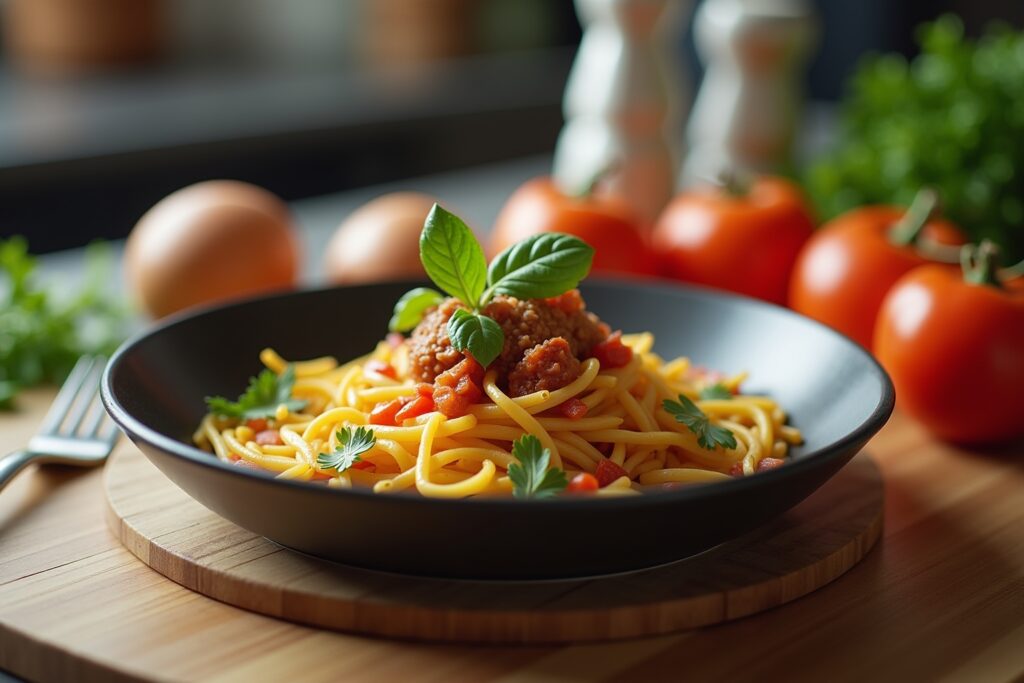
You crave the iconic flavors of your favorite restaurant dishes but prefer the comfort and cost-effectiveness of home cooking. Discover how to recreate beloved restaurant specialties with ease, transforming your kitchen into your personal culinary haven and mastering the art of the copycat recipe.
These are the most popular Cookbook products
Keine Produkte gefunden.The Allure of Copycat Recipes: Bringing Restaurant Favorites Home
Copycat recipes, often referred to as ‘clone’ or ‘knockoff’ recipes, are meticulously developed to mimic the taste, texture, and appearance of popular dishes from well-known restaurants, cafes, and food chains. This culinary trend has exploded in popularity as home cooks seek to replicate the magic of their beloved meals without leaving their kitchens. The primary appeal lies in the accessibility and affordability – why pay premium prices for a dish when you can achieve a remarkably similar, if not identical, result with readily available ingredients and familiar techniques? Beyond the financial aspect, copycat recipes offer a unique sense of accomplishment, allowing you to decode complex flavor profiles and recreate signature tastes that once seemed exclusive to professional kitchens.
The process of developing a successful copycat recipe involves meticulous deconstruction and reconstruction of the original dish. Culinary enthusiasts and recipe developers analyze the key components, flavor profiles, cooking methods, and ingredient ratios of the original to reverse-engineer a replicable version. This often involves extensive testing, tweaking, and a deep understanding of food science and flavor pairings. The result is a recipe that empowers you to experience the same gastronomic delight in your own home, offering a personalized and often healthier alternative.
Why Master Copycat Recipes? Benefits for the Home Cook
Embarking on the journey of creating copycat recipes unlocks a multitude of benefits for any home cook, from the novice to the seasoned chef.
- Cost Savings: Replicating restaurant meals at home can significantly reduce your dining expenses. Imagine enjoying a week’s worth of your favorite chain’s burgers or a beloved Italian restaurant’s pasta for a fraction of the cost.
- Ingredient Control & Healthier Options: When you cook at home, you have complete control over the quality and quantity of ingredients used. This allows you to adjust fat, sodium, and sugar levels, making dishes healthier without sacrificing flavor. You can opt for organic produce, leaner meats, or specific dietary substitutes.
- Convenience and Customization: No need to book a table or wait for delivery. Your favorite meal is just a cooking session away. Furthermore, copycat recipes provide a fantastic foundation for customization. You can tweak spices, add extra vegetables, or adjust portion sizes to perfectly suit your preferences.
- Culinary Skill Development: Deconstructing and recreating complex dishes is an excellent way to hone your cooking skills. You’ll learn about flavor balancing, texture manipulation, and various cooking techniques as you strive for authenticity.
- Nostalgia and Comfort: Copycat recipes often tap into fond memories associated with specific restaurants or meals. Recreating these dishes can evoke a powerful sense of nostalgia and provide comforting, familiar flavors.
- Satisfying Cravings: Sometimes, a specific craving hits, and only that one particular dish will do. Copycat recipes are the perfect solution when you can’t get to the source.
The Anatomy of a Successful Copycat Recipe
Creating a convincing copycat recipe is an art form that requires careful attention to detail. Several key elements contribute to its success:
- Flavor Profiling: This is paramount. It involves identifying the dominant tastes – sweet, sour, salty, bitter, umami – and how they are balanced in the original dish. Understanding the role of key spices, herbs, and sauces is crucial.
- Texture Analysis: Beyond taste, texture plays a significant role in a dish’s overall experience. Is the chicken crispy? Is the sauce creamy? Is the bread chewy? Replicating these textures often involves specific cooking methods or ingredient choices.
- Ingredient Authenticity: While the goal is to replicate, sometimes specific commercial ingredients are key to the unique flavor profile (e.g., a particular cheese blend or seasoning mix). Finding the closest available substitutes or understanding how to create them from scratch is vital.
- Cooking Techniques: The way a dish is prepared significantly impacts its final outcome. Copycat recipes often aim to mirror the original cooking methods, whether it’s deep-frying, slow-roasting, or precise layering.
- Proportion and Ratio: The exact balance of ingredients is often the secret sauce. Small adjustments in the ratio of sweet to savory, or acidic to fatty components, can make or break the authenticity.
- Visual Cues: While taste is king, the appearance of a dish also contributes to its recognition. Copycat recipes often strive for a similar plating style and visual appeal.
Popular Copycat Recipe Categories and Examples
The world of copycat recipes spans every imaginable cuisine and dining category. Here’s a look at some of the most popular areas:
| Category | Description | Iconic Examples |
|---|---|---|
| Fast Food Favorites | Recreating the signature tastes of global fast-food giants. | Big Mac, KFC’s Original Recipe Chicken, McDonald’s Fries, In-N-Out Double-Double, Taco Bell’s Nacho Cheese Doritos Locos Tacos |
| Casual Dining Staples | Capturing the essence of popular dishes from sit-down restaurants. | Olive Garden’s Zuppa Toscana, Cheesecake Factory’s Godiva Chocolate Cheesecake, Chili’s Southwestern Eggrolls, Cracker Barrel’s Double Chocolate Fudge Coca-Cola Cake |
| Bakery & Dessert Delights | Mastering the art of recreating beloved sweets and baked goods. | Starbucks’ Double Chocolate Muffins, Cinnabon Cinnamon Rolls, Disney’s Dole Whip, Panera Bread’s Kitchen Sink Cookies |
| Beverage Blends | Mimicking the unique flavor profiles of popular drinks. | Disneyland’s Mint Julep, Sonic’s Cherry Limeade, Starbucks Frappuccinos |
| Gourmet Restaurant Reproductions | Attempting to replicate sophisticated dishes from high-end establishments. | French Laundry’s Oysters and Pearls, Alinea’s Edible Balloon |
Tips for Success When Making Copycat Recipes
To ensure your copycat recipe endeavors are successful and delicious, keep these practical tips in mind:
- Start with Reputable Sources: Look for copycat recipes from well-established food blogs, recipe sites, or cookbooks that specialize in this area. Often, these have been rigorously tested by many home cooks.
- Read Reviews Carefully: Before committing to a recipe, read the comments and reviews from other users. They often provide valuable insights, tips for improvement, or warnings about potential pitfalls.
- Gather All Ingredients Before You Start: Like any recipe, a thorough mise en place is essential. Ensure you have all the necessary components, especially any specialty ingredients.
- Invest in Quality Spices and Seasonings: The authenticity of a copycat recipe often hinges on the quality of its flavorings. Use fresh spices and high-quality versions of sauces or condiments mentioned.
- Don’t Be Afraid to Tweak: While the goal is replication, your palate is unique. Taste as you go and make minor adjustments to seasoning, sweetness, or acidity to suit your preference.
- Pay Attention to Cooking Times and Temperatures: These are often critical for achieving the correct texture and doneness. Use a reliable thermometer if necessary.
- Practice Makes Perfect: Not every copycat recipe will be an instant hit. Don’t get discouraged if your first attempt isn’t perfect. Each attempt is a learning experience.
- Consider the “Why”: When analyzing a recipe, try to understand *why certain ingredients or techniques are used. This deeper understanding will help you troubleshoot and adapt other recipes in the future.
The Future of Copycat Cooking: AI and Innovation
The evolution of technology, particularly artificial intelligence (AI), is beginning to influence the creation and accessibility of copycat recipes. Advanced algorithms can analyze vast datasets of recipes, reviews, and even restaurant menus to predict flavor profiles and ingredient combinations with remarkable accuracy. This allows for the rapid generation of potential copycat recipes, often providing a strong starting point for home cooks. Furthermore, AI can help in identifying the most critical flavor components and suggest optimal substitutions for hard-to-find ingredients. As AI continues to develop, we can expect even more sophisticated and accessible copycat recipe solutions, further democratizing the art of recreating iconic dishes.
These are the latest Cookbook products with the best ratings.
Keine Produkte gefunden.FAQ – Frequently Asked Questions about Copycat Recipes: Originale einfach nachmachen
What exactly is a copycat recipe?
A copycat recipe is a homemade version of a popular dish from a restaurant, cafe, or food chain, designed to closely replicate the original’s taste, texture, and appearance.
Are copycat recipes always healthy?
Not necessarily. While they offer an opportunity to control ingredients and make healthier choices, the original restaurant versions are often designed for maximum flavor rather than health. You have the power to make them healthier by adjusting fats, sodium, and sugar.
How do recipe developers create copycat recipes?
They meticulously analyze the original dish’s flavor profile, texture, and key ingredients. This involves extensive testing, tasting, and often reverse-engineering the cooking techniques and ingredient ratios to achieve a similar result at home.
Is it legal to share copycat recipes?
Yes, sharing copycat recipes is generally legal. The recipe itself, describing how to combine ingredients and cook them, is usually not subject to copyright. However, it is important not to use the restaurant’s copyrighted trade names or logos in a way that suggests official endorsement.
What are the most common types of dishes people try to recreate?
Popular categories include fast food items (burgers, fried chicken, fries), popular desserts and baked goods (cheesecake, cookies, muffins), and signature sauces or appetizers from casual dining establishments.
Where can I find reliable copycat recipes?
Look for recipes on reputable food blogs, dedicated copycat recipe websites, and in cookbooks that focus on this niche. Reading user reviews can also help you gauge the reliability of a recipe.
Can I adjust copycat recipes to my dietary needs?
Absolutely. This is one of the biggest advantages of making copycat recipes at home. You can easily substitute ingredients to accommodate dietary restrictions like gluten-free, dairy-free, vegetarian, or vegan preferences.


