
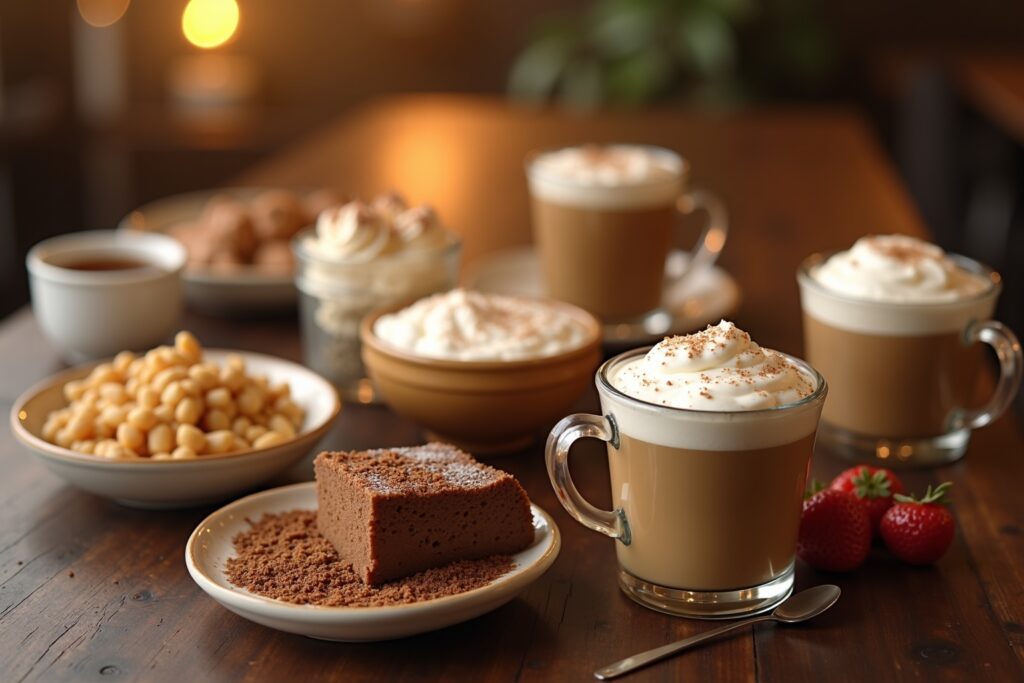
Elevate your coffee experience beyond the ordinary with these 17 must-try coffee recipes, designed to delight your palate and impress your guests. Whether you’re a seasoned barista or a home brewing enthusiast, mastering these diverse concoctions will transform your daily cup into an extraordinary ritual.
These are the most popular Coffee book products
Keine Produkte gefunden.The Foundation: Understanding Your Coffee
Before diving into specific recipes, it’s crucial to understand the building blocks of great coffee. The quality of your beans, grind size, brewing method, and water temperature all play a significant role in the final taste profile. Experimenting with single-origin beans versus blends can reveal distinct flavor nuances, from bright, citrusy notes to deep, chocolatey undertones. Proper grinding just before brewing preserves volatile aromatics, ensuring maximum freshness and flavor. Water, making up over 98% of your coffee, should be filtered to remove impurities that can mask delicate coffee flavors. Aim for a brewing temperature between 195°F and 205°F (90.5°C and 96°C) for optimal extraction.
17 Must-Try Coffee Recipes to Master
This curated list covers a spectrum of coffee beverages, from refreshing iced drinks to decadent, dessert-like creations. Each recipe offers a unique sensory journey, encouraging you to explore the versatility of coffee.
1. The Perfect Pour-Over
Mastering the pour-over is a foundational skill for any serious coffee lover. It allows for precise control over extraction, highlighting the nuanced flavors of your chosen beans. You’ll need a pour-over dripper (like a V60 or Chemex), a gooseneck kettle for controlled pouring, fresh coffee grounds (medium-fine grind), and a filter. Start by rinsing the filter to remove paper taste. Add your coffee grounds and bloom them by pouring just enough hot water to saturate them, letting them sit for 30 seconds. Then, slowly pour the remaining water in concentric circles, aiming for a total brew time of 2-3 minutes. The result is a clean, bright cup that showcases the coffee’s intrinsic qualities.
2. Classic Espresso
The heart of many coffee drinks, a perfectly pulled espresso is a testament to the quality of your beans and the precision of your machine. Espresso is made by forcing hot water under high pressure through finely-ground coffee. Look for a rich, reddish-brown crema on top, indicating proper extraction. The taste should be intense, with a balance of acidity, sweetness, and bitterness.
3. Creamy Cappuccino
A beloved Italian classic, the cappuccino is a harmonious blend of espresso, steamed milk, and milk foam. The traditional ratio is roughly one-third espresso, one-third steamed milk, and one-third milk foam. The key is to steam the milk correctly to create a velvety microfoam that integrates seamlessly with the espresso. Sprinkle with cocoa powder or cinnamon for an extra touch.
4. Silky Latte
Similar to a cappuccino but with a higher milk-to-espresso ratio and less foam, the latte offers a smoother, milkier profile. The steamed milk is poured over the espresso, and a thin layer of foam sits atop. This makes it an excellent canvas for latte art, allowing you to create beautiful designs with your milk pours.
5. Bold Americano
For those who enjoy the intensity of espresso but prefer a larger, less concentrated drink, the Americano is the answer. It’s made by diluting a shot or two of espresso with hot water. The ratio can be adjusted to your preference, offering a clean, robust coffee flavor without the richness of steamed milk.
6. Sweet & Frothy Affogato
This Italian dessert is incredibly simple yet utterly decadent. It consists of a scoop of vanilla gelato or ice cream drowned in a shot of hot espresso. The contrast between the hot coffee and cold ice cream, along with the melting texture, creates a delightful experience. A sprinkle of shaved chocolate or a biscotti on the side enhances the indulgence.
7. Spicy Mexican Coffee (Café de Olla)
This traditional Mexican coffee is brewed with cinnamon sticks and piloncillo (unrefined whole cane sugar), offering a warm, spiced flavor. It’s typically brewed in a clay pot (olla), which imparts a subtle earthy note. The result is a comforting and aromatic coffee, perfect for cooler days.
8. Rich Mocha
A delightful fusion of coffee and chocolate, the mocha is a treat for the senses. It’s essentially a latte with chocolate syrup or melted chocolate added. You can use dark, milk, or white chocolate to customize the flavor. Top with whipped cream and chocolate shavings for an indulgent finish.
9. Refreshing Cold Brew
Cold brew coffee is made by steeping coffee grounds in cold water for an extended period (12-24 hours). This slow process extracts a smoother, less acidic, and naturally sweeter coffee concentrate. It’s perfect for iced coffee drinks, as the concentrate can be diluted with water or milk and served over ice.
10. Iced Latte Variations
Building on the classic latte, iced versions are perfect for warmer weather. You can create endless variations by adding syrups like vanilla, caramel, hazelnut, or even seasonal flavors like pumpkin spice. Combine espresso, milk, ice, and your chosen syrup for a customizable cool-down.
11. Vietnamese Iced Coffee (Cà Phê Sữa Đá)
This intensely flavorful iced coffee is made with dark roast coffee, often brewed using a small metal drip filter (phin). It’s sweetened with condensed milk, creating a rich, sweet, and creamy beverage. Served over ice, it’s a popular and invigorating choice.
12. Irish Coffee
A classic after-dinner drink, Irish coffee combines hot coffee, Irish whiskey, sugar, and is topped with a layer of thick cream. The sugar dissolves in the hot coffee, and the cream floats on top, creating a delightful contrast in flavors and textures. Ensure the cream is softly whipped so it floats without mixing too much.
13. Bulletproof Coffee
Popularized as a breakfast option, bulletproof coffee blends hot coffee with unsalted butter and MCT (medium-chain triglyceride) oil. It’s blended until frothy, creating a creamy, emulsified drink. Proponents claim it provides sustained energy and mental clarity due to the healthy fats.
14. Turkish Coffee
An ancient and ritualistic way of preparing coffee, Turkish coffee is made by boiling finely ground coffee beans with water and sugar (optional) in a special pot called a cezve. It’s served unfiltered, with the grounds settling at the bottom of the small cup. The result is a thick, strong, and aromatic coffee.
15. Espresso Tonic
A surprisingly refreshing and sophisticated drink, the espresso tonic is made by pouring a shot of espresso over tonic water and ice. The effervescence of the tonic water combined with the bold espresso creates a unique, slightly bitter, and invigorating beverage. Garnish with a slice of citrus, like lime or grapefruit, for an added aromatic dimension.
16. Red Eye Coffee
For those needing a serious caffeine boost, the Red Eye is a potent combination. It’s simply a cup of drip coffee with a shot of espresso added. This doubles the caffeine content, offering an intense kick to kickstart your day or push through a challenging period.
17. Lavender Latte
A delightful floral twist on the classic latte, the lavender latte infuses the comforting beverage with subtle floral notes. You can achieve this by using lavender-infused syrup or by adding food-grade dried lavender buds during the brewing or steaming process. The result is an aromatic and subtly sweet drink that’s both calming and invigorating.
Coffee Recipe Categories at a Glance
| Category | Key Characteristics | Typical Ingredients | Best For |
|---|---|---|---|
| Classic Brews | Focus on bean quality and extraction, clean flavor profiles. | Coffee beans, water, filters. | Appreciating pure coffee flavor, daily drinking. |
| Milk-Based Espresso Drinks | Creamy textures, balanced espresso and dairy, latte art potential. | Espresso, steamed milk, milk foam, sugar. | Indulgent mornings, cafes, dessert pairings. |
| Iced & Refreshing | Cooling, often sweet and vibrant, suitable for warm weather. | Cold brew concentrate, ice, milk, syrups, tonic water. | Hot days, light pick-me-ups, versatile customization. |
| Spiced & Fortified | Aromatic, often incorporating spices, spirits, or unique additions. | Coffee, cinnamon, piloncillo, whiskey, butter, MCT oil. | Dessert alternatives, cozy evenings, energy boosts. |
These are the latest Coffee book products with the best ratings.
Keine Produkte gefunden.FAQ – Frequently Asked Questions about 17 Must-Try Coffee Recipes
What is the best coffee bean to use for these recipes?
The best coffee bean depends on the recipe and your personal preference. For pour-overs and Americanos, single-origin beans known for their distinct flavor profiles (e.g., Ethiopian for floral notes, Colombian for balanced sweetness) are excellent. For milk-based drinks like lattes and cappuccinos, a blend with good body and chocolatey notes often works well to cut through the milk. Espresso requires beans specifically roasted and ground for espresso extraction.
How do I achieve good crema on my espresso?
Good crema is a sign of fresh coffee and proper espresso extraction. Ensure you are using freshly roasted beans (within 1-4 weeks of roasting) and that they are ground finely and consistently just before brewing. Your espresso machine’s pressure and temperature settings are also critical. A well-pulled shot will have a rich, reddish-brown crema that lasts for a minute or two.
Can I make these recipes at home without special equipment?
While some recipes like traditional espresso require specialized machines, many can be adapted for home use. You can make a strong coffee concentrate for cold brew using a French press or even a large jar. Pour-over can be done with basic drippers. For latte art, practice with any milk-based coffee. Many recipes, like Irish Coffee or Affogato, require minimal specialized tools beyond what most kitchens already have.
What is the difference between a latte and a cappuccino?
The primary difference lies in the ratio of milk, foam, and espresso, as well as the texture of the milk. A cappuccino has roughly equal parts espresso, steamed milk, and milk foam, with the foam being drier and airier. A latte has more steamed milk and a thinner layer of velvety microfoam, resulting in a creamier, milkier drink.
Are there any non-caffeinated versions of these recipes?
For most of these recipes, you can substitute decaffeinated coffee beans to create a non-caffeinated version. While the caffeine is removed, the flavor profile of the coffee will still be present. Some recipes that are heavily reliant on the coffee’s intensity, like a Red Eye, may not translate as well in a decaf format.


