
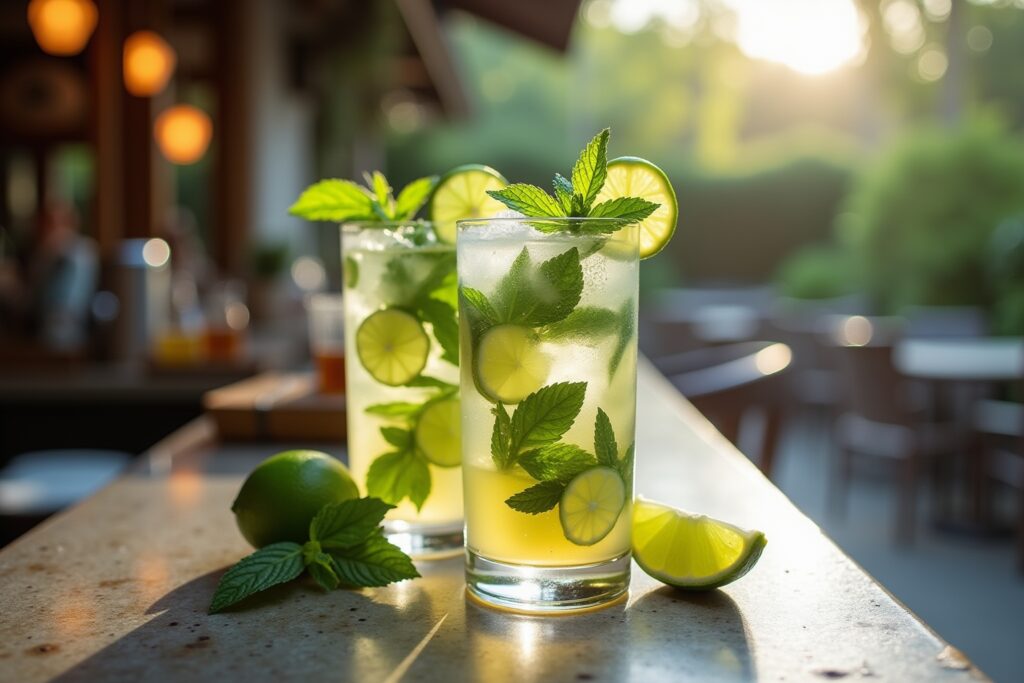
Discover how to craft the perfect Mojito, a timeless Cuban classic, and explore five exciting variations that will elevate your cocktail game. This guide provides you with the foundational knowledge and innovative twists to impress yourself and your guests with refreshing, expertly made Mojitos.
These are the most popular Mojito Recipe products
Keine Produkte gefunden.The Undisputed Classic Mojito: A Step-by-Step Guide
The Mojito’s charm lies in its simplicity and the harmonious balance of its core ingredients: fresh mint, zesty lime, sweet sugar, potent rum, and effervescent soda water. Mastering this original recipe is the gateway to understanding and appreciating its many delicious variations. You’ll achieve the best results by adhering to specific techniques, ensuring each sip is a burst of cool refreshment.
Ingredients for the Classic Mojito:
- 2 oz White Rum (a good quality Cuban or Puerto Rican rum is traditional)
- 1 oz Fresh Lime Juice (about half a lime)
- 2 Teaspoons Granulated Sugar (or 0.75 oz Simple Syrup for easier dissolving)
- 6-8 Fresh Mint Leaves (spearmint is ideal)
- 2 oz Soda Water
- Crushed Ice
- Garnish: Mint sprig and lime wheel
Instructions:
- In a sturdy highball glass, gently muddle the mint leaves with the sugar. The key here is to bruise, not tear, the mint. This releases its aromatic oils without making the drink bitter. If using simple syrup, add it after muddling the mint.
- Add the fresh lime juice to the glass.
- Fill the glass generously with crushed ice.
- Pour in the white rum.
- Top with soda water.
- Stir gently with a bar spoon to combine all ingredients.
- Garnish with a fresh mint sprig (slap it gently against your hand before placing to release its aroma) and a lime wheel.
Why the Classic Mojito Works: The Science of Balance
The Mojito is a masterclass in balancing contrasting flavors and textures. The tartness of the lime juice cuts through the sweetness of the sugar, while the refreshing mint provides an aromatic complexity. The white rum offers a smooth alcoholic base without overpowering the delicate herbal notes. The effervescence from the soda water lightens the drink, making it incredibly quaffable, especially in warmer climates. The crushed ice not only chills the drink effectively but also dilutes it gradually, allowing the flavors to meld and evolve as you drink.
Five Essential Mojito Twists to Explore
Once you’ve mastered the classic, the Mojito becomes a versatile canvas for creativity. These variations leverage the core formula while introducing new flavor profiles and ingredients, demonstrating the adaptability of this beloved cocktail.
1. The Raspberry Mojito: A Berry Delight
This vibrant twist adds the sweet-tart flavor of fresh raspberries, creating a visually appealing and deliciously fruity Mojito. The berries complement the mint and lime beautifully, offering a slightly jammy sweetness.
Ingredients:
- 2 oz White Rum
- 1 oz Fresh Lime Juice
- 2 Teaspoons Granulated Sugar (or 0.75 oz Simple Syrup)
- 6-8 Fresh Mint Leaves
- 4-5 Fresh Raspberries
- 2 oz Soda Water
- Crushed Ice
- Garnish: Fresh raspberries and a mint sprig
Instructions:
- In a sturdy highball glass, muddle the mint leaves, sugar, and raspberries. Press gently to release the juices from the raspberries and the oils from the mint.
- Add the fresh lime juice.
- Fill the glass with crushed ice.
- Pour in the white rum.
- Top with soda water.
- Stir gently to combine.
- Garnish with fresh raspberries and a mint sprig.
2. The Coconut Mojito: A Tropical Escape
Transport yourself to a tropical paradise with this creamy and exotic variation. Coconut cream or milk adds a luxurious texture and a distinct tropical flavor that pairs wonderfully with rum and lime.
Ingredients:
- 2 oz White Rum
- 1 oz Fresh Lime Juice
- 0.75 oz Coconut Cream (or full-fat coconut milk)
- 0.5 oz Simple Syrup (adjust to taste, as coconut cream can be sweet)
- 6-8 Fresh Mint Leaves
- 2 oz Soda Water
- Crushed Ice
- Garnish: Toasted coconut flakes, lime wheel, and a mint sprig
Instructions:
- In a cocktail shaker, combine the white rum, lime juice, coconut cream, simple syrup, and mint leaves.
- Add a handful of ice to the shaker.
- Shake vigorously until well-chilled.
- Double-strain the mixture into a highball glass filled with crushed ice.
- Top with soda water.
- Stir gently.
- Garnish with toasted coconut flakes, a lime wheel, and a mint sprig.
3. The Strawberry-Basil Mojito: An Herbaceous Sweetness
This sophisticated twist introduces the savory notes of basil, which surprisingly enhances the sweetness of strawberries and the freshness of mint. It’s a delightful combination that offers a more complex flavor profile.
Ingredients:
- 2 oz White Rum
- 1 oz Fresh Lime Juice
- 2 Teaspoons Granulated Sugar (or 0.75 oz Simple Syrup)
- 4-5 Fresh Mint Leaves
- 3-4 Fresh Strawberries (hulled and quartered)
- 2-3 Fresh Basil Leaves
- 2 oz Soda Water
- Crushed Ice
- Garnish: Strawberry slice, basil leaf, and lime wheel
Instructions:
- In a sturdy highball glass, muddle the mint leaves, basil leaves, strawberries, and sugar. Gently press to release juices and oils.
- Add the fresh lime juice.
- Fill the glass with crushed ice.
- Pour in the white rum.
- Top with soda water.
- Stir gently to combine.
- Garnish with a strawberry slice, a fresh basil leaf, and a lime wheel.
4. The Spiced Rum Mojito: A Warming Kick
For those who prefer a little warmth and depth, switching to spiced rum transforms the Mojito into a more robust and complex drink. The spices in the rum can complement the mint and lime in unexpected ways.
Ingredients:
- 2 oz Spiced Rum
- 1 oz Fresh Lime Juice
- 2 Teaspoons Granulated Sugar (or 0.75 oz Simple Syrup)
- 6-8 Fresh Mint Leaves
- 2 oz Soda Water
- Crushed Ice
- Garnish: Lime wedge and a cinnamon stick (optional)
Instructions:
- In a sturdy highball glass, muddle the mint leaves with the sugar.
- Add the fresh lime juice.
- Fill the glass with crushed ice.
- Pour in the spiced rum.
- Top with soda water.
- Stir gently to combine.
- Garnish with a lime wedge and, if desired, a cinnamon stick for an added aroma.
5. The Cucumber-Mint Mojito: Cool and Refreshing
This ultra-refreshing variation incorporates the crisp, clean flavor of cucumber. It’s a lighter, more sophisticated take that is perfect for hot summer days or as a palate cleanser.
Ingredients:
- 2 oz White Rum
- 1 oz Fresh Lime Juice
- 2 Teaspoons Granulated Sugar (or 0.75 oz Simple Syrup)
- 6-8 Fresh Mint Leaves
- 3-4 Thin Slices of Cucumber
- 2 oz Soda Water
- Crushed Ice
- Garnish: Cucumber ribbons and a mint sprig
Instructions:
- In a sturdy highball glass, muddle the mint leaves, cucumber slices, and sugar. Press gently to release the cucumber’s juice and mint’s oils.
- Add the fresh lime juice.
- Fill the glass with crushed ice.
- Pour in the white rum.
- Top with soda water.
- Stir gently to combine.
- Garnish with delicate cucumber ribbons and a mint sprig.
Mojito Variations: A Comparative Overview
Understanding the nuances of each Mojito variation helps in selecting the perfect cocktail for any occasion. The table below highlights key differences in flavor profiles, primary additions, and ideal serving scenarios.
| Category | Classic Mojito | Raspberry Mojito | Coconut Mojito | Strawberry-Basil Mojito | Spiced Rum Mojito | Cucumber-Mint Mojito |
|---|---|---|---|---|---|---|
| Primary Flavor Profile | Minty, Citrusy, Sweet | Fruity, Sweet-Tart, Minty | Tropical, Creamy, Sweet | Herbaceous, Sweet, Berry | Warm Spice, Rum-Forward, Citrusy | Cool, Crisp, Herbal |
| Key Addition | None (standard ingredients) | Fresh Raspberries | Coconut Cream/Milk | Strawberries & Basil | Spiced Rum | Cucumber Slices |
| Ideal Serving Occasion | Anytime, Classic Preference | Summer Parties, Brighter Tastes | Tropical Gatherings, Dessert Pairing | Sophisticated Soirées, Unique Palates | Autumn/Winter, Cozy Evenings | Hot Weather, Refreshing Appetizer Cocktail |
| Complexity Level | Low | Low-Medium | Medium | Medium-High | Low-Medium | Low-Medium |
Tips for the Ultimate Mojito Experience
Beyond the ingredients and steps, a few expert tips can elevate your Mojito-making to a professional level. These techniques ensure consistency and a superior taste:
- Freshness is Paramount: Always use freshly squeezed lime juice and the freshest mint available. Pre-bottled lime juice will not deliver the same vibrant flavor.
- Muddling Technique: As mentioned, gentle muddling of mint is crucial. Over-muddling can release bitter chlorophyll. Aim to bruise the leaves to release their essential oils.
- Sugar vs. Simple Syrup: Granulated sugar is traditional and offers a slight texture, but it can be difficult to dissolve completely. Simple syrup (equal parts sugar and water heated until dissolved, then cooled) integrates more easily and ensures a smoother sweetness. For richer drinks, a demerara simple syrup can add depth.
- Ice Matters: Crushed ice is ideal for Mojitos as it chills the drink quickly and provides a pleasing texture. If crushed ice isn’t available, finely cracked ice is a good alternative. Large cubes will dilute the drink too slowly and can be clunky.
- Quality Rum: While you don’t need the most expensive aged rum for a classic Mojito, a decent quality white rum makes a significant difference. Avoid overly harsh or artificial-tasting spirits.
- Garnish with Aroma: Don’t underestimate the power of a good garnish. A mint sprig, when gently slapped, releases its fragrant oils, enhancing the aroma of the drink before you even take a sip.
These are the latest Mojito Recipe products with the best ratings.
Keine Produkte gefunden.FAQ – Frequently Asked Questions about 5 Classic Mojito Recipes & Twists
What is the best type of rum to use for a Mojito?
For a classic Mojito, a good quality white rum is traditionally recommended. Cuban or Puerto Rican white rums are excellent choices as they are typically light, clean, and have a subtle sweetness that complements the other ingredients without overpowering them. For variations, spiced rum or even a light aged rum can be used, but white rum remains the benchmark for the original recipe’s balance.
Can I make a Mojito with less sugar?
Yes, you can absolutely adjust the sugar content to your preference. If you prefer a less sweet drink, start with less sugar or simple syrup and taste before adding more. Some people even opt for sugar substitutes, though this can alter the flavor profile and mouthfeel of the cocktail.
What is the difference between muddling and shaking for a Mojito?
Muddling is the traditional method for Mojitos, performed directly in the serving glass. It’s used to gently release the oils from the mint and juices from fruits. Shaking, as used in the Coconut Mojito example, is employed when you have ingredients that need better emulsification or chilling, like coconut cream, and is then typically strained into the serving glass.
Can I make a non-alcoholic Mojito (Virgin Mojito)?
Definitely! To make a Virgin Mojito, simply omit the rum and replace it with a little extra soda water or a splash of non-alcoholic sparkling water or tonic water. You can also add a touch more lime juice or simple syrup to compensate for the absence of rum’s body and flavor.
How important is the mint in a Mojito?
The mint is arguably one of the most critical components of a Mojito. It provides the characteristic refreshing aroma and flavor that defines the cocktail. Spearmint is the most commonly used variety due to its bright, sweet, and slightly peppery notes. It’s essential to use fresh, vibrant mint leaves for the best results.
Can I use frozen fruit for Mojito variations?
While fresh fruit is always preferred for optimal flavor and texture, you can use frozen fruit in a pinch for variations like the Raspberry or Strawberry Mojito. You may need to muddle them more thoroughly to break them down, and they will also contribute to chilling the drink, potentially requiring less ice initially.
What makes a Mojito taste bitter?
A bitter Mojito is usually the result of over-muddling the mint. When mint leaves are torn or crushed too aggressively, they release bitter chlorophyll. The goal is to bruise the leaves gently to release their essential oils, not to pulverize them into a pulp. Additionally, using unripe or overly bitter limes can also contribute to bitterness.


