
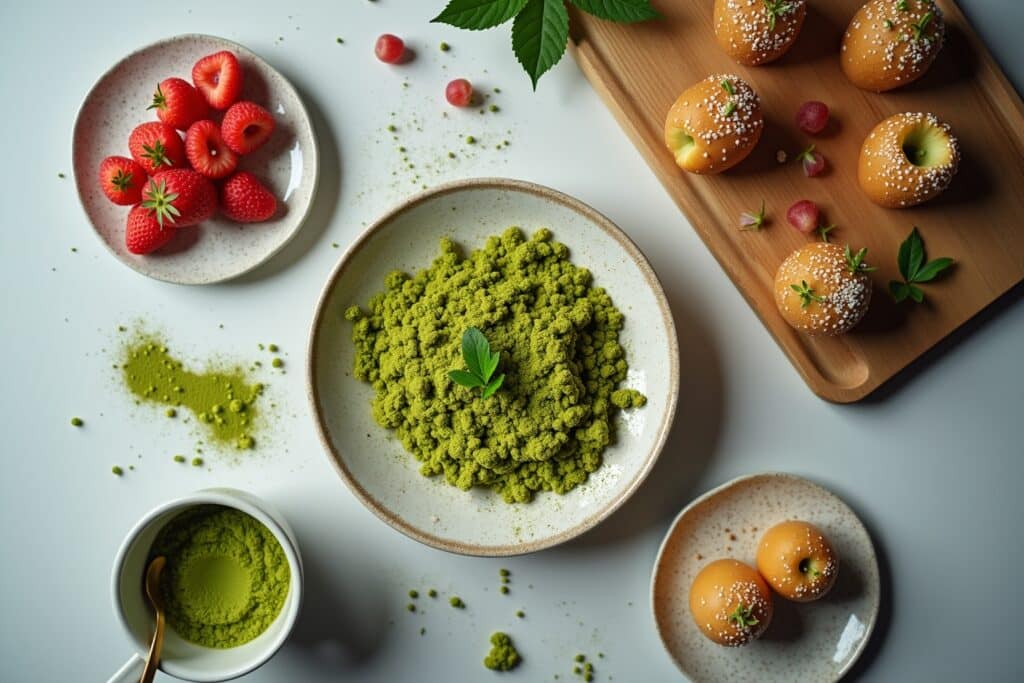
Elevate your culinary adventures with 17 innovative Matcha recipes, seamlessly blending sweet indulgence with savory complexity. Discover how this vibrant green tea powder can transform your everyday dishes into gourmet experiences.
These are the most popular Matcha cookbook products
Keine Produkte gefunden.The Versatility of Matcha in the Kitchen
Matcha, renowned for its earthy flavor and striking emerald hue, transcends its traditional beverage role to become a star ingredient across a wide spectrum of culinary creations. Its unique profile, characterized by vegetal notes and a subtle umami undertone, offers a sophisticated dimension to both sweet and savory applications. Understanding how to harness its potential unlocks a world of delicious possibilities for home cooks and seasoned chefs alike.
Sweet Matcha Delights
The inherent sweetness and vibrant color of matcha make it an ideal ingredient for a plethora of desserts and baked goods. Its slight bitterness perfectly balances rich, creamy textures and sugars, creating a harmonious flavor experience that is both refreshing and satisfying.
- Matcha Green Tea Cheesecake: Imagine a velvety smooth cheesecake infused with the distinct taste of matcha, offering a delightful contrast to the creamy sweetness. This dessert is a sophisticated twist on a classic, perfect for special occasions or when you crave something elegantly different.
- Matcha Cookies: From delicate shortbread to chewy chocolate chip variations, matcha cookies provide a visually stunning and uniquely flavored treat. The vibrant green flecks scattered throughout the cookie are as appealing to the eye as the complex taste is to the palate.
- Matcha Ice Cream: A perennial favorite, homemade matcha ice cream delivers an intensely flavored, creamy frozen dessert. The coolness of the ice cream combined with the warming properties of matcha creates a truly invigorating experience.
- Matcha Tiramisu: This Italian classic gets a Japanese makeover. Layers of ladyfingers soaked in a matcha-infused liquid, interspersed with a rich mascarpone cream, result in a dessert that is both familiar and excitingly new.
- Matcha Mochi: These chewy, glutinous rice cakes can be filled with sweet matcha paste or coated in matcha powder for an authentic Japanese treat. Their unique texture and subtle sweetness are incredibly addictive.
- Matcha Panna Cotta: A simple yet elegant dessert, matcha panna cotta offers a silky smooth texture and a delicate matcha flavor that is both subtle and profound. It’s a perfect palate cleanser or a light, sophisticated end to a meal.
- Matcha Brownies: The intense flavor of matcha cuts through the richness of chocolate, creating a deeply satisfying brownie experience. The swirl of matcha batter within the chocolate creates a visually appealing marbled effect.
Savory Matcha Innovations
While often associated with sweets, matcha’s savory potential is equally impressive. Its umami depth and slightly bitter edge can add complexity and a unique twist to a variety of savory dishes, from marinades and sauces to main courses.
- Matcha Noodles (Soba or Udon): Incorporating matcha directly into the dough for soba or udon noodles imparts a subtle earthy flavor and a beautiful green color, transforming a simple staple into a culinary statement.
- Matcha Salad Dressing: Whisked into a vinaigrette with ingredients like lemon juice, olive oil, and a touch of honey, matcha adds an unexpected depth and a vibrant green hue to salads.
- Matcha Crusted Fish or Chicken: Using matcha powder as part of a breading or crust for seafood or poultry provides a unique flavor profile and an attractive visual appeal. The matcha’s earthiness complements the natural flavors of the proteins beautifully.
- Matcha Infused Marinades: For meats, tofu, or vegetables, a marinade featuring matcha can impart a subtle, complex flavor that enhances the overall dish without overpowering it.
- Matcha Risotto: The creamy texture of risotto pairs exceptionally well with matcha. The powder adds a delicate earthy note and a stunning color, creating a dish that is both comforting and elegant.
- Matcha Soup: Whether in a creamy vegetable soup or a lighter broth, matcha can add a surprising layer of flavor and a beautiful visual element, particularly in springtime or early summer soups.
- Matcha Salt or Seasoning Blends: Simply mixing high-quality matcha powder with sea salt and other complementary spices can create a versatile seasoning for everything from roasted vegetables to grilled meats.
- Matcha Stir-fry Sauce: A small amount of matcha added to a stir-fry sauce can provide an intriguing umami boost and a hint of complexity that elevates the entire dish.
- Matcha Guacamole: For an adventurous twist, a pinch of matcha can add an intriguing depth to traditional guacamole, complementing the avocado’s creaminess with its own earthy notes.
- Matcha Tempeh or Tofu Scramble: Sprinkling matcha into a breakfast scramble can offer a unique flavor dimension and a beautiful color, making your morning meal more exciting.
Choosing the Right Matcha for Your Recipes
The quality of your matcha powder significantly impacts the final taste and appearance of your dishes. For ceremonial grade matcha, you’ll experience a smoother, sweeter, and more vibrant flavor, ideal for delicate desserts and drinks where the matcha is the star. Culinary grade matcha, while still offering good flavor and color, is generally more robust and cost-effective, making it suitable for baked goods, sauces, and larger-scale cooking where its flavor will be more integrated.
Tips for Cooking with Matcha
When incorporating matcha into your recipes, a few key techniques ensure the best results. Always use a fine-mesh sieve to sift the matcha powder before adding it to wet ingredients. This prevents clumping and ensures a smooth consistency, particularly crucial in delicate recipes like cheesecakes or panna cotta. For sweet applications, matcha’s slight bitterness can be balanced with ingredients like honey, vanilla, or white chocolate. In savory dishes, its earthy notes pair well with garlic, ginger, citrus, and other umami-rich ingredients.
A Culinary Journey Through Matcha Flavors
Exploring these 17 recipes opens up a universe of taste and texture, showcasing the remarkable adaptability of matcha. Whether you are a novice cook looking for an exciting new ingredient or an experienced chef seeking to innovate, these sweet and savory creations offer inspiration and delicious results. Embrace the vibrant color and complex flavor of matcha to transform your kitchen creations.
| Recipe Category | Key Ingredients | Flavor Profile | Typical Application |
|---|---|---|---|
| Sweet Desserts | Matcha powder, cream cheese, sugar, flour, eggs, butter | Earthy, slightly bitter, sweet, creamy | Cheesecake, cookies, ice cream, cakes, pastries |
| Savory Starters & Sides | Matcha powder, flour, vegetables, chicken, fish, herbs | Umami, vegetal, subtle bitterness, herbaceous | Noodles, salad dressings, crusts, dips, soups |
| Baked Goods | Matcha powder, flour, sugar, butter, leavening agents | Distinctly green tea flavor, balanced sweetness | Brownies, muffins, scones, breads |
| Beverage Enhancements | Matcha powder, milk, water, sweeteners | Pure matcha essence, refreshing, energizing | Lattes, smoothies, iced teas |
These are the latest Matcha cookbook products with the best ratings.
Keine Produkte gefunden.FAQ – Frequently Asked Questions about 17 Matcha Recipes: Sweet & Savory
What is the difference between ceremonial and culinary grade matcha?
Ceremonial grade matcha is made from the youngest tea leaves and is stone-ground to an extremely fine powder. It has a smoother, sweeter, and more delicate flavor, with vibrant green color. It is traditionally used for drinking on its own. Culinary grade matcha is made from slightly older leaves and may have a more robust, slightly more bitter flavor profile. It is designed to hold up better in cooking and baking applications, offering a more pronounced matcha taste in complex dishes.
Can I substitute regular green tea powder for matcha?
While both are derived from the Camellia sinensis plant, matcha is a powder made from whole tea leaves, whereas regular green tea powder is often made from ground tea leaves that have been steeped and discarded. Matcha contains a higher concentration of nutrients and antioxidants and offers a much more intense, unique flavor and vibrant color that cannot be replicated by regular green tea powder. For the recipes listed, using authentic matcha powder is essential for achieving the intended results.
How do I store matcha powder to maintain its freshness?
Matcha is sensitive to light, air, and heat. After opening, it is best to store matcha powder in an airtight container, preferably the original tin or an opaque, sealed bag, in the refrigerator. This helps to preserve its vibrant color, delicate aroma, and fresh flavor. Always ensure the container is well-sealed before returning it to the fridge.
Are there any health benefits associated with consuming matcha?
Yes, matcha is highly regarded for its health benefits. It is rich in antioxidants, particularly catechins like EGCG (epigallocatechin gallate), which are known for their potential to combat cell damage and reduce inflammation. Matcha also contains L-theanine, an amino acid that promotes relaxation and can improve focus and cognitive function. Its consumption is also linked to a boosted metabolism and potential benefits for heart health.
Can I make these recipes vegan or gluten-free?
Many of these recipes can be adapted to be vegan or gluten-free. For vegan adaptations, you can often substitute dairy products with plant-based alternatives like almond milk, coconut cream, or cashew butter. For gluten-free versions, look for recipes that naturally use gluten-free flours or use gluten-free flour blends. Always check the specific ingredients of each recipe for potential modifications.
What is the best way to ensure my matcha doesn’t clump in recipes?
The most effective way to prevent matcha from clumping is to always sift it through a fine-mesh sieve before adding it to any wet ingredients. This breaks up any small clumps and ensures a smooth, even distribution of the matcha powder throughout your batter, dough, or liquid. Gently whisking after sifting can further help integrate it.
How can I adjust the sweetness or bitterness of matcha recipes?
The sweetness and bitterness of matcha recipes can be adjusted based on your personal preference. To reduce bitterness, you can increase the amount of sweetener (like sugar, honey, or maple syrup) or add complementary ingredients that balance the flavor, such as vanilla extract, white chocolate, or citrus zest. For a more pronounced matcha flavor, ensure you are using high-quality matcha and consider slightly reducing other strong flavors in the recipe.


