
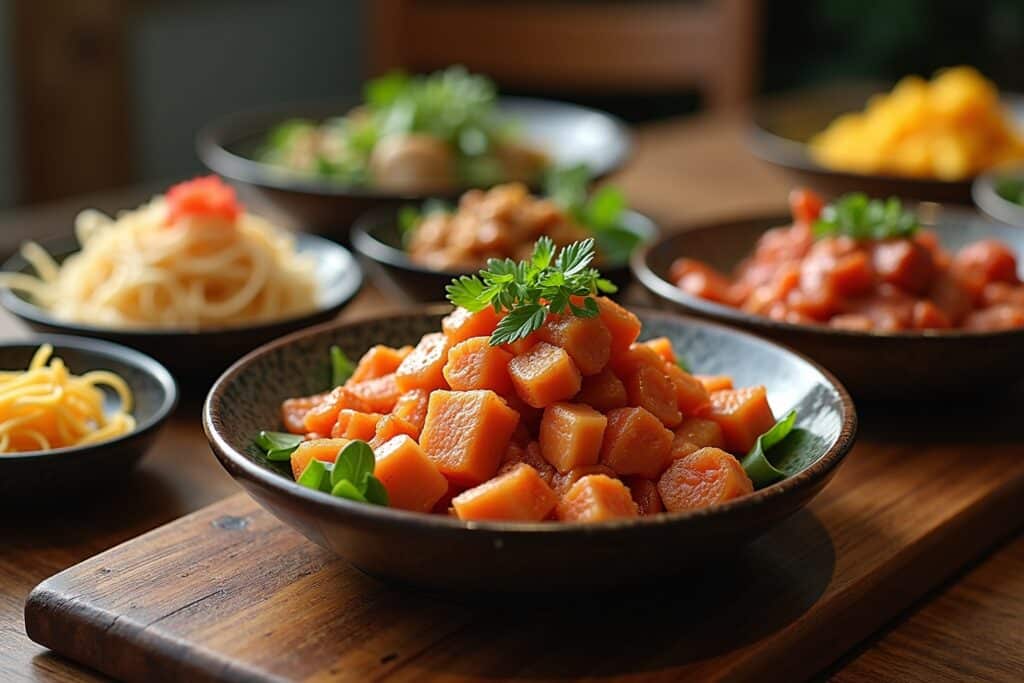
If you’re eager to explore the vibrant and diverse world of Korean cuisine, this guide is designed for you. We’ll delve into 17 essential Korean recipes that will equip you with the foundational skills and knowledge to confidently recreate authentic Korean dishes in your own kitchen, whether you’re a beginner home cook or an experienced enthusiast looking to expand your repertoire.
These are the most popular Korean recipes products
Keine Produkte gefunden.The Core of Korean Cooking: Essential Ingredients and Techniques
Mastering Korean cuisine begins with understanding its fundamental building blocks. Korean cooking relies on a unique balance of flavors – spicy, savory, sweet, and sour – often achieved through fermented pastes and a variety of fresh ingredients. Key to this culinary landscape are staples like gochujang (Korean chili paste), doenjang (fermented soybean paste), ganjang (soy sauce), sesame oil, garlic, and ginger. Beyond ingredients, certain techniques are paramount. Stir-frying (bokkeum), braising (jjim), stewing (jjigae), and grilling (gui) are common methods that unlock the distinct textures and tastes of Korean food.
17 Korean Recipes to Master for a Complete Culinary Journey
Embarking on your Korean cooking adventure is best done by tackling a selection of dishes that represent the breadth and depth of this flavorful cuisine. These 17 recipes offer a progressive path to mastery, starting with accessible classics and moving towards more nuanced preparations.
- Kimchi (김치): The quintessential Korean fermented cabbage dish. Mastering kimchi is arguably the most crucial step in understanding Korean flavors. It’s a versatile condiment and ingredient used in countless other dishes.
- Bibimbap (비빔밥): A vibrant rice bowl topped with assorted sautéed vegetables, meat (often beef), a fried egg, and gochujang. It’s a perfect introduction to balanced flavors and textures.
- Bulgogi (불고기): Thinly sliced marinated beef, typically grilled or pan-fried. Its sweet and savory marinade makes it a universally loved Korean dish.
- Japchae (잡채): A colorful stir-fry of glass noodles, vegetables, and sometimes meat, seasoned with soy sauce and sesame oil. Known for its chewy texture and delicate flavor.
- Tteokbokki (떡볶이): Spicy stir-fried rice cakes. A popular street food that offers a chewy texture and a fiery, slightly sweet sauce.
- Kimbap (김밥): Korean seaweed rice rolls, similar to Japanese sushi rolls but with seasoned rice and a variety of fillings like vegetables, egg, and meat.
- Kimchi Jjigae (김치찌개): A hearty and spicy kimchi stew, often made with pork or tofu. A staple comfort food in Korea.
- Doenjang Jjigae (된장찌개): A savory and umami-rich soybean paste stew, typically containing vegetables, tofu, and sometimes seafood or meat.
- Samgyeopsal (삼겹살): Grilled pork belly. A communal dining experience where thick slices of unmarinated pork belly are grilled at the table and eaten with various accompaniments.
- Dakgalbi (닭갈비): Spicy stir-fried chicken with vegetables. A flavorful and often interactive dish cooked on a large skillet.
- Haemul Pajeon (해물파전): Seafood and green onion pancake. A savory and crispy appetizer or light meal, often served with a dipping sauce.
- Galbi (갈비): Marinated beef or pork short ribs, typically grilled. The marinade is key to its tender and flavorful profile.
- Gyeran Mari (계란말이): Rolled omelet. A simple yet elegant dish, often stuffed with finely chopped vegetables.
- Kongguksu (콩국수): Cold soybean noodle soup. A refreshing summer dish, particularly popular in the northern regions of Korea.
- Sundubu Jjigae (순두부찌개): Soft tofu stew. A spicy and comforting stew featuring silken tofu, often with seafood or meat.
- Galbitang (갈비탕): Beef short rib soup. A clear, deeply savory soup perfect for a nourishing meal.
- Bulgogi Deopbap (불고기덮밥): Bulgogi served over a bed of rice, often with other toppings. A convenient and delicious one-bowl meal.
Understanding the Flavor Profiles: A Culinary Classification
To truly master Korean cooking, it’s helpful to categorize dishes based on their primary flavor profiles and cooking methods. This allows for a deeper understanding of ingredient interactions and preparation nuances.
| Category | Key Characteristics | Representative Recipes | Essential Techniques |
|---|---|---|---|
| Spicy & Savory Stews (Jjigae) | Rich, deep flavors; often spicy and comforting; slow-simmered | Kimchi Jjigae, Doenjang Jjigae, Sundubu Jjigae | Braising, Stewing, Fermentation |
| Marinated & Grilled Meats (Gui) | Sweet, savory, and smoky; tender and juicy; often cooked at the table | Bulgogi, Samgyeopsal, Galbi | Marinating, Grilling, Pan-frying |
| Noodle & Rice Dishes | Varied textures from chewy to soft; balanced flavors; often incorporate vegetables and protein | Japchae, Kimbap, Bibimbap, Bulgogi Deopbap, Kongguksu | Stir-frying, Rolling, Assembling, Boiling |
| Street Food & Snacks | Often spicy, chewy, or crispy; quick to prepare; bold flavors | Tteokbokki, Haemul Pajeon, Gyeran Mari | Stir-frying, Pan-frying, Rolling |
| Nourishing Soups (Guk/Tang) | Clear or rich broths; deeply savory and often restorative | Galbitang | Simmering, Broth-making |
Mastering Kimchi: The Heart of Korean Cuisine
No exploration of Korean recipes is complete without a deep dive into kimchi. While many recipes involve kimchi as an ingredient, learning to make your own is a rewarding endeavor. The process involves salting Napa cabbage to draw out moisture, then creating a flavorful paste of gochugaru (Korean chili flakes), garlic, ginger, fish sauce or salted shrimp, and sometimes fruits like apple or pear for a touch of sweetness and fermentation aid. The fermentation process, which can take days to weeks at room temperature and then in the refrigerator, develops the characteristic tangy and complex flavor profile. Understanding the stages of fermentation allows you to control the intensity of the sourness. Beyond its role as a side dish, kimchi is fundamental to dishes like kimchi jjigae, kimchi fried rice (kimchi bokkeumbap), and kimchi pancakes.
The Art of Bibimbap: A Symphony of Flavors and Textures
Bibimbap is a testament to the Korean philosophy of balance. Each component is prepared individually, showcasing its unique texture and flavor, before being artfully arranged over a bed of steamed rice. The key is in the preparation of each topping: vegetables like spinach, carrots, zucchini, and bean sprouts are blanched or sautéed and seasoned lightly; seasoned ground beef or thinly sliced marinated meat adds protein and umami; and a fried egg, often sunny-side up, provides a rich, creamy yolk that ties everything together. The final flourish is a dollop of gochujang and a drizzle of sesame oil, which you then mix vigorously before eating. This dish teaches you about ingredient harmony and the visual appeal of food.
The Allure of Bulgogi: Sweet, Savory Perfection
Bulgogi, meaning “fire meat,” is a celebrated Korean dish characterized by its tender, thinly sliced beef marinated in a sweet and savory sauce. The marinade typically includes soy sauce, sugar, garlic, ginger, sesame oil, and often pear or apple juice to tenderize the meat and add a subtle sweetness. The meat is then quickly cooked over high heat, resulting in caramelized edges and a juicy interior. Mastering bulgogi involves understanding the balance of the marinade – not too sweet, not too salty – and the importance of not overcrowding the pan to ensure proper searing. It’s a dish that appeals to almost everyone and serves as an excellent introduction to Korean marinades and grilling techniques.
Exploring Korean Stews (Jjigae): Comfort in a Bowl
Korean stews, or jjigae, are the ultimate comfort food, offering warmth and complex flavors. Kimchi Jjigae is robust and tangy, its spiciness mellowed by the slow simmering of kimchi with pork or tofu. Doenjang Jjigae, on the other hand, offers a more earthy and umami-rich experience, with the fermented soybean paste providing a savory depth complemented by vegetables and tofu. Sundubu Jjigae is celebrated for its incredibly soft, silken tofu that melts in your mouth, bathing in a fiery broth often enhanced with seafood or meat. Learning to make these stews involves understanding how to build layers of flavor by sautéing aromatics, adding fermented pastes, and simmering to allow the ingredients to meld.
The Versatility of Kimbap and Japchae
Kimbap demonstrates the art of assembly and seasoning. The rice is seasoned with sesame oil and salt, and the fillings can range from simple vegetables like seasoned spinach, julienned carrots, and pickled radish, to more elaborate additions like egg, imitation crab, or beef. The skillful rolling of the seaweed (gim) around the ingredients is key to its neat presentation and easy consumption. Japchae, with its chewy glass noodles (dangmyeon) made from sweet potato starch, is a testament to stir-frying techniques. The noodles are typically cooked separately and then tossed with a variety of colorful vegetables and often thinly sliced marinated beef, all coated in a savory soy sauce and sesame oil dressing. The interplay of textures – the springy noodles, the crisp vegetables, and the tender meat – is what makes japchae so delightful.
These are the latest Korean recipes products with the best ratings.
Keine Produkte gefunden.FAQ – Frequently Asked Questions about 17 Korean Recipes to Master
What are the most important Korean pantry staples I need to get started?
To begin your Korean cooking journey, essential pantry staples include gochujang (Korean chili paste), doenjang (fermented soybean paste), ganjang (soy sauce, preferably Korean-style), sesame oil, garlic, ginger, gochugaru (Korean chili flakes), and rice. Having these on hand will enable you to prepare a wide range of the 17 recipes.
Is it difficult to make authentic Korean food at home?
While some dishes require specific techniques and ingredients, many Korean recipes are quite accessible for home cooks. This list of 17 recipes is curated to include a mix of beginner-friendly options and dishes that offer a slightly greater challenge, allowing for gradual skill development. With practice and attention to detail, you can achieve authentic flavors.
Where can I find Korean ingredients?
Korean ingredients are widely available in Asian grocery stores, international food markets, and increasingly, in the international aisles of larger supermarkets. Online retailers also offer a vast selection of Korean pantry staples and specialty items.
How do I properly store homemade kimchi?
After the initial fermentation at room temperature (usually 1-3 days depending on your preference for sourness), kimchi should be stored in an airtight container in the refrigerator. This slows down the fermentation process, allowing it to mature and develop deeper flavors over weeks and months. Always use clean utensils when taking kimchi out of the jar to prevent contamination.
What is the difference between gochujang and gochugaru?
Gochujang is a thick, fermented paste made from chili powder, glutinous rice, fermented soybeans, and salt. It has a complex, savory, spicy, and slightly sweet flavor. Gochugaru, on the other hand, is Korean chili powder or flakes, which is used to add heat and color to dishes without the fermented paste’s depth of flavor.
Can I substitute ingredients if I can’t find the exact ones?
While substitutions can be made in a pinch, they may alter the authentic flavor profile. For example, if you cannot find Korean soy sauce, a good quality Japanese soy sauce can be used, but the taste will be slightly different. For gochujang and doenjang, it’s highly recommended to find authentic versions as they are fundamental to Korean flavor. Similarly, Korean chili flakes (gochugaru) are distinct from other chili powders.
Are there vegetarian or vegan options among these 17 recipes?
Yes, many of these recipes can be easily adapted for vegetarian and vegan diets. For instance, Bibimbap can be made entirely with vegetables and tofu. Kimchi Jjigae and Sundubu Jjigae can be made with tofu and mushrooms instead of meat and seafood. Japchae and Kimbap are also highly adaptable. When making kimchi, ensure you use vegan alternatives for fish sauce or salted shrimp.


