
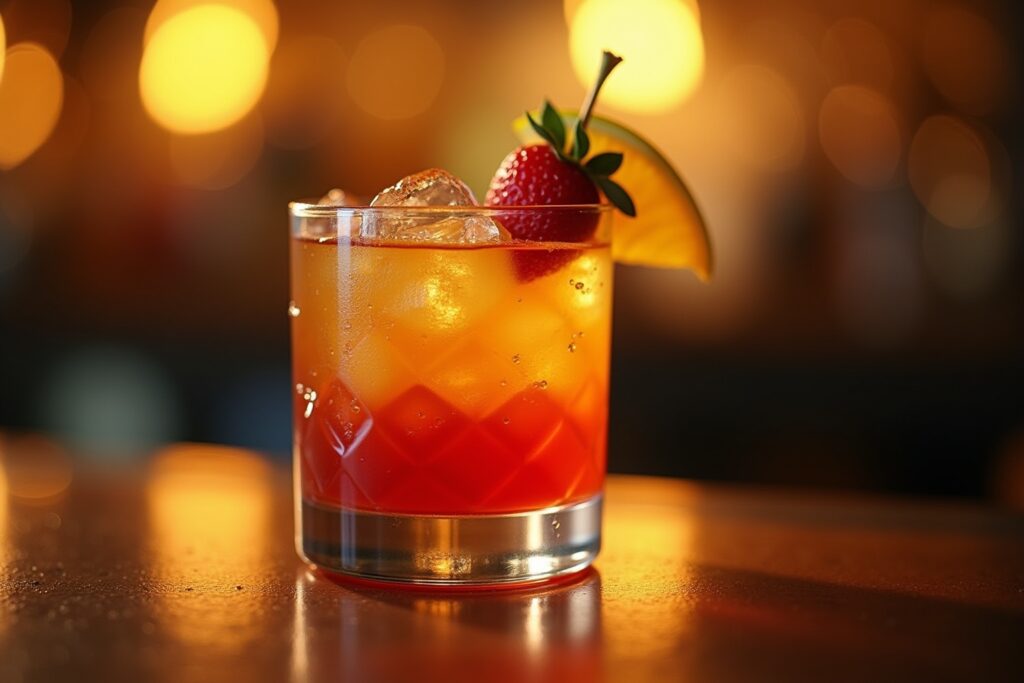
Mastering the art of layered cocktails transforms a simple drink into a visual masterpiece, captivating your guests before the first sip. Understanding the principles behind creating distinct, unmixed layers is key to achieving professional-looking beverages at home.
These are the most popular Layered Cocktails products
Keine Produkte gefunden.The Science and Art of Layered Cocktails: Schicht für Schicht
Layered cocktails, often referred to as stratified or stacked drinks, are a testament to precise mixology. The magic lies in leveraging the differing densities of various liquids, ensuring they settle on top of each other without immediately mingling. This creates visually stunning gradients and distinct flavor profiles that can be enjoyed sequentially or combined as you drink.
Understanding Liquid Density: The Foundation of Layering
The fundamental principle behind creating layered cocktails is the difference in liquid densities. Denser liquids will sink to the bottom, while less dense liquids will float on top. This is primarily influenced by sugar content and alcohol percentage. Liquids with higher sugar content are generally denser and will settle lower, while spirits with higher alcohol content (and thus lower sugar) tend to be less dense and will sit higher.
- Sugar Content: Syrups, liqueurs, and fruit juices with high sugar concentrations are typically denser than spirits.
- Alcohol Percentage: Higher proof spirits are less dense than lower proof spirits or liqueurs.
- Temperature: While less influential than sugar and alcohol, colder liquids can be slightly denser than warmer ones.
Essential Tools and Techniques for Perfect Layers
Achieving clean layers requires a gentle touch and the right equipment. The goal is to introduce each liquid slowly and carefully over the previous layer.
- Bar Spoon: This is your most crucial tool. The back of a bar spoon, held just above the surface of the lower liquid, allows you to pour the next ingredient down its side.
- Pouring Technique: Pour slowly and steadily. The slower you pour, the less agitation you create, and the cleaner your layers will be.
- Glassware: Tall, clear glasses like highball or Collins glasses are ideal as they showcase the layers best.
- Ingredient Order: Always add ingredients from densest to least dense (bottom to top).
Common Layered Cocktail Recipes and Variations
Several classic cocktails showcase the beauty of layering. Experimenting with these foundational recipes allows you to explore different flavor combinations and visual effects.
The Pousse-Café: A Classic Layered Showcase
The Pousse-Café is perhaps the most iconic layered cocktail, often featuring a vibrant spectrum of colors. Traditionally, it involves liqueurs of varying densities poured carefully into a small glass. The order is crucial:
- Grenadine (densest)
- Crème de Menthe (green)
- Crème de Cacao (brown)
- Brandy (least dense)
Each ingredient is poured over the back of a bar spoon resting on the surface of the preceding layer, creating distinct bands of color.
The B-52: A Popular Three-Layered Drink
The B-52 is a well-known and relatively easy layered shot that combines coffee liqueur, Irish cream liqueur, and Grand Marnier. Its popularity stems from its delicious flavor profile and striking visual appeal.
- Layer 1 (Bottom): Kahlúa (Coffee Liqueur) – Highest sugar content, densest.
- Layer 2 (Middle): Baileys Irish Cream – Less dense than Kahlúa.
- Layer 3 (Top): Grand Marnier (Orange Liqueur) – Least dense.
To prepare, pour Kahlúa into a shot glass. Gently layer the Baileys over the back of a bar spoon, followed by the Grand Marnier in the same manner. For an added flair, the B-52 can be set alight by carefully igniting the top layer of Grand Marnier just before serving (ensure safety precautions are taken).
The Tequila Sunrise: A Gradient Effect
While not always strictly layered in the same way as a Pousse-Café, the Tequila Sunrise creates a beautiful gradient effect due to the controlled addition of grenadine. The dense grenadine sinks through the tequila and orange juice, creating a “sunrise” appearance.
- Fill a highball glass with ice.
- Add tequila and orange juice.
- Slowly pour grenadine down the side of the glass. It will sink to the bottom, creating red streaks as it disperses.
The Black Russian & White Russian Transformation
While a Black Russian (vodka and coffee liqueur) isn’t layered, its popular variation, the White Russian, introduces a layering element. By carefully floating cream or milk on top of the vodka and coffee liqueur mixture, you create a visually appealing contrast.
- Black Russian: Combine vodka and coffee liqueur in a rocks glass with ice.
- White Russian: Prepare a Black Russian, then gently float fresh cream or milk on top using a bar spoon. The cream will sit on the surface, creating a white layer over the dark liquid.
Tips for Achieving Perfect Stratification
Perfection in layering comes with practice and attention to detail. Here are some advanced tips to elevate your layered cocktail game:
- Chill Your Ingredients: Colder liquids are denser, which can aid in the layering process, especially if you’re working with ingredients that have similar density profiles.
- Use the Right Spoon: A bar spoon with a perforated bowl can sometimes offer more control for very delicate layers.
- Practice the Angle: Experiment with the angle at which you hold the bar spoon. A slight tilt can help the liquid flow more smoothly down the spoon.
- Patience is Key: Don’t rush the process. Each layer should be added deliberately and with care.
- Avoid Stirring: Once layered, do not stir the cocktail if you want to maintain the visual separation. The drinker can choose to stir it themselves before consuming.
- Ingredient Viscosity: Consider the viscosity (thickness) of your ingredients. Thicker liquids will maintain their layers better.
Troubleshooting Common Layering Issues
Even experienced mixologists can encounter challenges. Here’s how to address common problems:
- Layers Mixing Too Soon: This is usually due to pouring too quickly or not using the bar spoon correctly. Ensure you’re pouring slowly and the liquid is flowing down the side of the spoon. Also, double-check the density order of your ingredients.
- Uneven Layers: This can happen if the glass is not held steady or if the spoon is too far from the liquid’s surface. Maintain a consistent angle and height with the spoon.
- Cloudy Layers: If ingredients are shaken or disturbed too much before layering, they can become cloudy and affect the visual clarity.
Understanding Ingredient Density in Detail
To truly master layering, a deeper understanding of ingredient density is beneficial. This is a simplified guide, and exact densities can vary slightly by brand and specific formulation.
| Category | Typical Density (Relative) | Examples |
|---|---|---|
| Densest (High Sugar) | Highest | Grenadine, Sambuca, Crème de Cassis, Ricard/Pastis, Fruit Juices (especially those with added sugar) |
| Medium-High Density | High | Liqueurs (e.g., Crème de Menthe, Crème de Cacao, Amaretto, Southern Comfort, Midori) |
| Medium Density | Medium | Sweet Wines, Vermouths, Baileys Irish Cream, Coffee Liqueurs (Kahlúa, Tia Maria) |
| Medium-Low Density | Low | Fortified Wines (Port, Sherry), Flavored Syrups, Flavored Vodkas, Whiskey, Bourbon |
| Least Dense (High Alcohol, Low Sugar) | Lowest | Gin, White Rum, Tequila (Blanco/Silver), Vodka, Brandy, Grand Marnier, Cointreau |
Remember, this table provides a general guideline. For precise layering, it’s always best to experiment with the specific products you are using. For instance, some higher-end liqueurs might have different sugar concentrations than their more common counterparts, affecting their density.
The Aesthetic and Experiential Appeal of Layered Cocktails
Beyond the technical challenge, layered cocktails offer a unique sensory experience. The visual appeal is undeniable; a well-executed layered drink is a work of art. Guests are often intrigued and impressed by the distinct bands of color.
Furthermore, the act of drinking a layered cocktail can be an adventure in itself. As you sip, the flavors of the different layers are encountered sequentially, offering a evolving taste profile. Alternatively, by stirring the drink yourself, you can control the moment of amalgamation, blending the distinct flavors into a harmonious whole. This interactive element adds another dimension to the enjoyment of the beverage.
When to Choose Layered Cocktails for Your Event
Layered cocktails are perfect for occasions where you want to impress your guests with something visually striking and sophisticated. They are ideal for:
- Special Occasions: Birthdays, anniversaries, holidays, and celebrations.
- Dinner Parties: As an elegant aperitif or a unique digestif.
- Cocktail Receptions: To offer a visually engaging and memorable drink option.
- Themed Parties: Where the colors of the layers can complement the theme.
While they require a bit more attention to detail than a simple shaken or stirred drink, the payoff in terms of presentation and guest experience is significant. They demonstrate a level of care and skill that is highly appreciated.
These are the latest Layered Cocktails products with the best ratings.
Keine Produkte gefunden.FAQ – Frequently Asked Questions about Layered Cocktail Recipes: Schicht für Schicht
What is the most important factor for creating layered cocktails?
The most critical factor is the difference in liquid densities. Liquids with higher sugar content are denser and will sink, while those with higher alcohol content are less dense and will float. Understanding this principle allows you to arrange ingredients correctly.
Can I use any type of glass for layered cocktails?
While you can attempt layering in various glasses, tall, clear glasses like highball or Collins glasses are ideal. They provide sufficient height to showcase multiple distinct layers and are easy to see through, highlighting the visual appeal.
How do I prevent the layers from mixing immediately?
The key is to pour each subsequent ingredient very slowly over the back of a bar spoon, held just above the surface of the liquid below. This gentle pouring technique minimizes agitation and allows the new liquid to spread over the existing layer without immediately mixing.
What happens if I don’t have a bar spoon?
If you don’t have a bar spoon, a regular spoon can be used, but it might be trickier. A teaspoon or a dessert spoon with a somewhat curved back can work. Alternatively, you can try pouring very slowly over the back of a butter knife or even down the side of the glass itself, though this requires a very steady hand and is less precise.
Are layered cocktails difficult to master?
Layered cocktails can be challenging initially, but with practice and understanding the principles of density and pouring technique, they become manageable. It requires patience and attention to detail rather than complex bartending skills.
Can I layer cocktails with ingredients of similar densities?
Layering ingredients with very similar densities is extremely difficult and often results in the layers bleeding into each other. For successful layering, aim for a noticeable difference in sugar and alcohol content between your chosen ingredients.
How should a layered cocktail be served?
Layered cocktails are typically served immediately after preparation to preserve the visual separation. They are meant to be admired for their appearance. The drinker can then choose to enjoy the layers sequentially or stir the drink to combine the flavors.


