
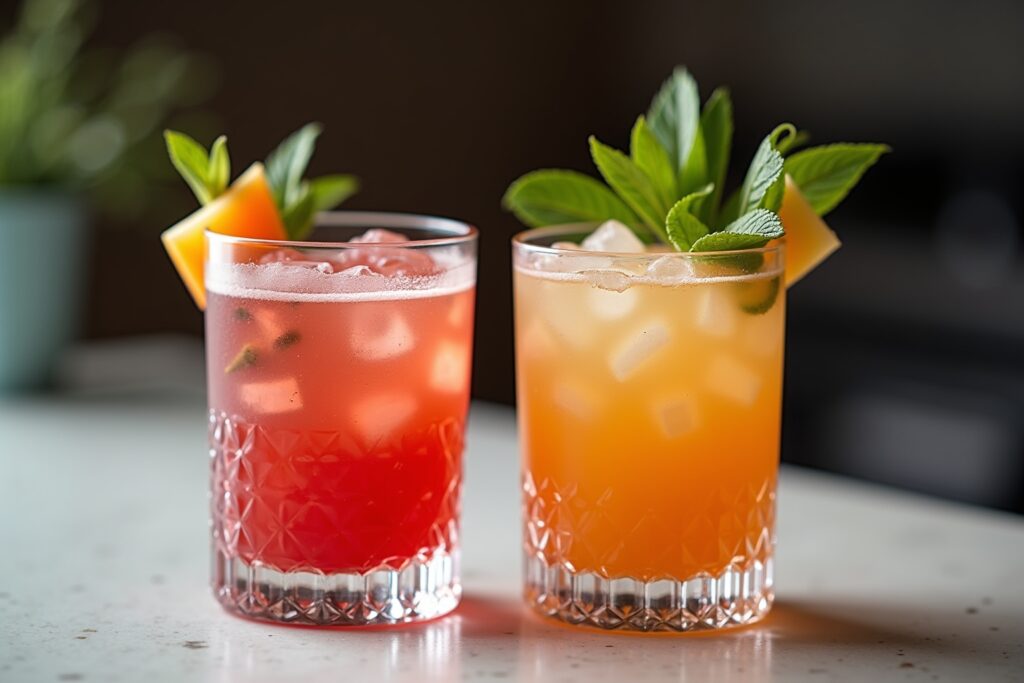
Crafting delicious and sophisticated non-alcoholic cocktails opens a world of flavor and inclusivity for every occasion. You’re seeking inspiring recipes that go beyond simple juice mixes, looking for creations that impress with complexity and visual appeal, suitable for discerning palates and special gatherings.
These are the most popular Mocktail Recipes products
Keine Produkte gefunden.The Art of Creative Non-Alcoholic Cocktails
Elevating non-alcoholic beverages from mere alternatives to star attractions requires a thoughtful approach to ingredients, techniques, and presentation. The modern mocktail movement embraces the same principles of balance, aroma, and texture found in traditional cocktails, utilizing fresh produce, artisanal syrups, premium sodas, and even specialized non-alcoholic spirits. You can achieve remarkable depth of flavor by layering complementary tastes and employing techniques like muddling, shaking, and garnishing with intention.
Understanding the Core Components
A successful non-alcoholic cocktail, much like its alcoholic counterpart, is built on a foundation of key elements. Understanding these components allows you to experiment and create your own unique concoctions. These include:
- The Base: This is the primary liquid that forms the bulk of your drink. While water or simple syrup can be bases, more complex options include high-quality sparkling water, coconut water, unsweetened fruit juices (like cranberry, pomegranate, or grapefruit), or specialized non-alcoholic spirits designed to mimic the flavor profiles of gin, rum, or whiskey.
- The Flavor Enhancers: This category encompasses a wide array of ingredients that add distinct tastes and aromas. Fresh fruits (berries, citrus, tropical fruits), herbs (mint, basil, rosemary, thyme), spices (ginger, cinnamon, star anise), and vegetables (cucumber, jalapeño) are essential. You can also incorporate homemade or high-quality store-bought syrups (agave, elderflower, grenadine, ginger syrup) and bitters designed for non-alcoholic use.
- The Acidity: A touch of acidity is crucial for balancing sweetness and adding brightness. Freshly squeezed citrus juices (lemon, lime, orange, grapefruit) are the most common, but balsamic vinegar, shrubs (fruit-infused vinegars), or even a splash of kombucha can provide a unique tangy element.
- The Sweetener: While many mocktails aim for less sweetness than traditional cocktails, a sweetener is often necessary to round out flavors. Simple syrup (equal parts sugar and water, heated until dissolved), agave nectar, maple syrup, honey, or fruit purees can be used. The type and amount of sweetener will depend on the other ingredients in your drink.
- The Effervescence: Carbonation adds a lively texture and lifts the other flavors. This can be achieved with sparkling water, club soda, tonic water, ginger ale, or sparkling cider.
- The Garnish: This is the visual finishing touch that enhances the drinking experience. Think beyond a simple wedge of lime. Consider fruit twists, herb sprigs, edible flowers, dehydrated fruit wheels, or even a salted or spiced rim.
Key Ingredients for Sophisticated Mocktails
The secret to truly creative non-alcoholic cocktails lies in selecting premium and perhaps unexpected ingredients. When you move beyond basic juices, your mocktail repertoire expands dramatically.
- Non-Alcoholic Spirits: The market for non-alcoholic spirits has exploded, offering sophisticated alternatives that mimic the botanicals of gin, the warmth of whiskey, or the richness of rum. Brands like Seedlip, Lyre’s, and Ritual Zero Proof provide excellent bases for complex mocktails.
- Artisanal Syrups: Beyond simple syrup, explore flavored syrups infused with herbs, spices, fruits, or even floral notes like elderflower or hibiscus. Making your own allows for complete control over sweetness and flavor.
- Fresh Herbs and Spices: Don’t underestimate the power of fresh herbs. Mint, basil, rosemary, and thyme can add incredible aroma and depth. Fresh ginger, muddled jalapeños, or a pinch of cinnamon can provide warmth and spice.
- Shrubs: These tangy, fruity vinegars are a fantastic way to add acidity and complexity. Made by macerating fruit with sugar and then combining with vinegar, shrubs offer a unique flavor profile that can cut through sweetness and add a pleasant tartness.
- High-Quality Bitters: Even without alcohol, bitters can add nuanced flavor notes. Look for alcohol-free or low-alcohol bitters designed for mocktails.
- Premium Mixers: Elevate your drinks with artisanal tonic waters, ginger beers with real ginger kick, or sparkling waters infused with natural fruit essences.
Inspiring Creative Non-Alcoholic Cocktail Recipes
Here are some innovative ideas to get you started, focusing on flavor combinations that are both exciting and balanced. These recipes are designed to be adaptable to your taste preferences and available ingredients.
The Sparkling Rosemary Grapefruit Refresher
This mocktail offers a sophisticated balance of tart citrus and aromatic herbs, perfect for a warm afternoon or as a palate cleanser.
- Ingredients:
- 150 ml fresh grapefruit juice
- 30 ml fresh lime juice
- 15 ml rosemary simple syrup (see notes below)
- 100 ml chilled sparkling water
- Fresh rosemary sprig and grapefruit twist for garnish
- Instructions:
- Combine grapefruit juice, lime juice, and rosemary simple syrup in a cocktail shaker filled with ice.
- Shake well until thoroughly chilled.
- Strain into a chilled highball glass filled with fresh ice.
- Top with sparkling water.
- Garnish with a fresh rosemary sprig and a grapefruit twist.
- Notes on Rosemary Simple Syrup: To make, combine 1 cup of water and 1 cup of sugar in a saucepan. Add 2-3 fresh rosemary sprigs. Heat gently, stirring until the sugar dissolves. Let it simmer for 5 minutes, then remove from heat and let it steep for at least 30 minutes. Strain out the rosemary and let cool.
The Spiced Pear & Ginger Sparkler
A comforting and subtly spiced drink, this mocktail is ideal for cooler evenings or holiday gatherings.
- Ingredients:
- 120 ml pear nectar or juice
- 30 ml fresh lemon juice
- 15 ml spiced ginger syrup (see notes below)
- 80 ml chilled ginger ale or ginger beer
- Cinnamon stick and thinly sliced pear for garnish
- Instructions:
- Fill a cocktail shaker with ice. Add pear nectar, lemon juice, and spiced ginger syrup.
- Shake vigorously until well-chilled.
- Strain into a chilled coupe or martini glass.
- Top with ginger ale or ginger beer.
- Garnish with a cinnamon stick and a thin slice of pear.
- Notes on Spiced Ginger Syrup: Combine 1 cup of water and 1 cup of sugar in a saucepan. Add a 2-inch piece of fresh ginger, peeled and sliced, and 1 cinnamon stick, broken in half. Bring to a simmer, stirring until sugar dissolves. Let it steep for 20 minutes, then strain and cool.
The Tropical Hibiscus Cooler
This vibrant and exotic mocktail brings a taste of the tropics with a beautiful floral note.
- Ingredients:
- 90 ml unsweetened pineapple juice
- 60 ml hibiscus tea, chilled
- 30 ml fresh lime juice
- 15 ml agave nectar (adjust to taste)
- 2-3 dashes non-alcoholic orange or aromatic bitters (optional)
- Mint sprig and edible flower for garnish
- Instructions:
- In a cocktail shaker filled with ice, combine pineapple juice, hibiscus tea, lime juice, and agave nectar.
- If using, add the bitters.
- Shake well until the outside of the shaker is frosty.
- Strain into a chilled rocks glass filled with ice.
- Garnish with a fresh mint sprig and an edible flower.
The Cucumber & Mint Muddle
A supremely refreshing and clean-tasting mocktail, this is perfect for when you want something light and revitalizing.
- Ingredients:
- 5-6 thin slices of cucumber
- 8-10 fresh mint leaves
- 30 ml fresh lime juice
- 15 ml elderflower syrup
- 120 ml chilled sparkling water or club soda
- Cucumber ribbon and mint sprig for garnish
- Instructions:
- In the bottom of a cocktail shaker, gently muddle the cucumber slices and mint leaves. Do not over-muddle the mint, as it can release bitter compounds.
- Add lime juice and elderflower syrup to the shaker.
- Fill the shaker with ice and shake well.
- Double strain (using a fine-mesh sieve) into a chilled coupe or martini glass. This removes small mint and cucumber particles.
- Top with chilled sparkling water or club soda.
- Garnish with a cucumber ribbon and a fresh mint sprig.
The Raspberry Balsamic Smash
This mocktail offers a sophisticated and slightly unexpected flavor profile, with the tartness of raspberries beautifully complemented by balsamic vinegar.
- Ingredients:
- 6-8 fresh raspberries
- 15 ml fresh lemon juice
- 10 ml balsamic glaze or a good quality balsamic vinegar
- 15 ml simple syrup (adjust to taste)
- 90 ml chilled sparkling water or unsweetened cranberry juice
- Lemon twist and a few whole raspberries for garnish
- Instructions:
- In a cocktail shaker, muddle the fresh raspberries.
- Add lemon juice, balsamic glaze, and simple syrup.
- Fill the shaker with ice and shake well.
- Double strain into a chilled rocks glass filled with fresh ice.
- Top with chilled sparkling water or unsweetened cranberry juice.
- Garnish with a lemon twist and a few whole raspberries.
Structuring Your Non-Alcoholic Cocktail Creations
Beyond individual recipes, understanding how to build a balanced and flavorful non-alcoholic drink is key to consistent success. Consider these structural elements when you’re creating your own:
| Category | Role in the Drink | Examples | Impact on Flavor/Texture |
|---|---|---|---|
| Base Liquid | Provides the main volume and carries other flavors. | Sparkling water, coconut water, non-alcoholic spirits, unsweetened fruit juices. | Determines the overall lightness or richness, and can contribute subtle undertones. |
| Acidity | Balances sweetness, brightens flavors, and adds zest. | Fresh citrus juices (lemon, lime, grapefruit), shrubs, verjus. | Prevents the drink from being cloying; adds a refreshing “zing.” |
| Sweetness | Rounds out flavors, adds palatability. | Simple syrup, agave nectar, maple syrup, fruit purees, honey. | Essential for balancing tartness, but should be used judiciously. |
| Aromatics & Flavor Accents | Adds complexity, depth, and specific taste notes. | Fresh herbs, spices, infused syrups, bitters, fruit peels. | Creates distinct character and aroma, elevating the drink beyond basic sweetness and acidity. |
| Texture/Effervescence | Adds mouthfeel and liveliness. | Sparkling water, club soda, tonic water, ginger beer, frothy elements (aquafaba). | Provides a pleasing sensation and can lift lighter flavors. |
Tips for Success and Presentation
Making your non-alcoholic cocktails shine goes beyond just the ingredients. Presentation and technique play a significant role in the overall experience.
- Use Fresh, High-Quality Ingredients: This cannot be overstated. Freshly squeezed citrus juice makes a world of difference compared to bottled. Ripe, seasonal fruits will offer the best flavor.
- Master Your Techniques: Don’t be afraid to shake, stir, or muddle your ingredients. Shaking with ice chills and dilutes a drink properly, while stirring is ideal for spirit-forward or clear drinks. Muddling releases oils and juices from fruits and herbs.
- Balance is Key: Always taste and adjust. Does your drink need more sweetness? More acidity? A touch more spice? Your palate is your best guide.
- The Ice Factor: The type of ice you use matters. Large, clear ice cubes melt slower and dilute less, making them ideal for showcasing complex flavors without watering them down too quickly. Crushed ice is great for drinks that should be very cold and diluted rapidly.
- Garnish with Intention: A thoughtful garnish elevates a drink from good to memorable. Consider the color, aroma, and shape. A simple herb sprig can release its fragrance as you sip. A fruit twist can add an aromatic oil.
- Invest in Good Tools: A decent cocktail shaker, a jigger for accurate measuring, a muddler, and a fine-mesh strainer will make a significant difference in your cocktail-making endeavors.
- Experiment with Non-Alcoholic Spirits: As mentioned, these are game-changers. Explore different brands and their unique botanical profiles to see how they can form the backbone of your mocktails.
These are the latest Mocktail Recipes products with the best ratings.
Keine Produkte gefunden.FAQ – Frequently Asked Questions about Creative Non-Alcoholic Cocktail Recipes
What are the best base liquids for creative non-alcoholic cocktails?
The best base liquids offer a neutral or complementary flavor profile that allows other ingredients to shine. Premium sparkling water, club soda, and coconut water are excellent choices for a clean, refreshing base. For more complexity, consider unsweetened fruit juices like pomegranate, cranberry, or grapefruit, or explore the growing range of specialized non-alcoholic spirits that mimic gin, rum, or whiskey.
How can I add complexity and depth of flavor to my mocktails without alcohol?
Complexity is achieved through layering flavors and using high-quality ingredients. Incorporate fresh herbs like mint, basil, or rosemary, muddle them to release their essential oils. Use homemade or artisanal syrups infused with spices (ginger, cinnamon), fruits, or floral notes. Non-alcoholic bitters can also add nuanced layers. Consider shrubs – fruit-infused vinegars – for a tangy, complex note. The careful balance of sweet, sour, and aromatic elements is crucial.
Are there non-alcoholic bitters available, and how do I use them?
Yes, there are indeed non-alcoholic bitters on the market, often made with botanical extracts and flavorings without alcohol. They function much like traditional bitters, adding a few dashes to a mocktail to introduce aromatic complexity, a subtle bitterness, or a specific flavor profile that ties other ingredients together. They are excellent for adding depth and a sophisticated finish to your creations.
What role does acidity play in non-alcoholic cocktails?
Acidity is vital for balancing the sweetness in any drink, including non-alcoholic cocktails. It brightens the flavors, prevents the drink from tasting flat or syrupy, and adds a refreshing quality. Freshly squeezed citrus juices like lemon, lime, grapefruit, or even a splash of verjus or a tart shrub are common and effective sources of acidity.
How can I make my non-alcoholic cocktails visually appealing?
Visual appeal is just as important as taste. Use vibrant, fresh ingredients for color. Employ creative garnishes such as fruit twists, herb sprigs, edible flowers, dehydrated fruit wheels, or even spiced sugar rims. The glassware you choose also makes a difference; a well-chosen glass enhances the overall presentation and drinking experience.
Can I batch prepare elements for non-alcoholic cocktails?
Absolutely. Many components can be prepared in advance, saving you time when you’re ready to serve. Simple syrups, infused syrups, shrubs, and even pre-juiced citrus can be made and stored in the refrigerator. Hibiscus tea or other herbal infusions can also be brewed and chilled ahead of time. This allows for quicker assembly and consistent results.


