
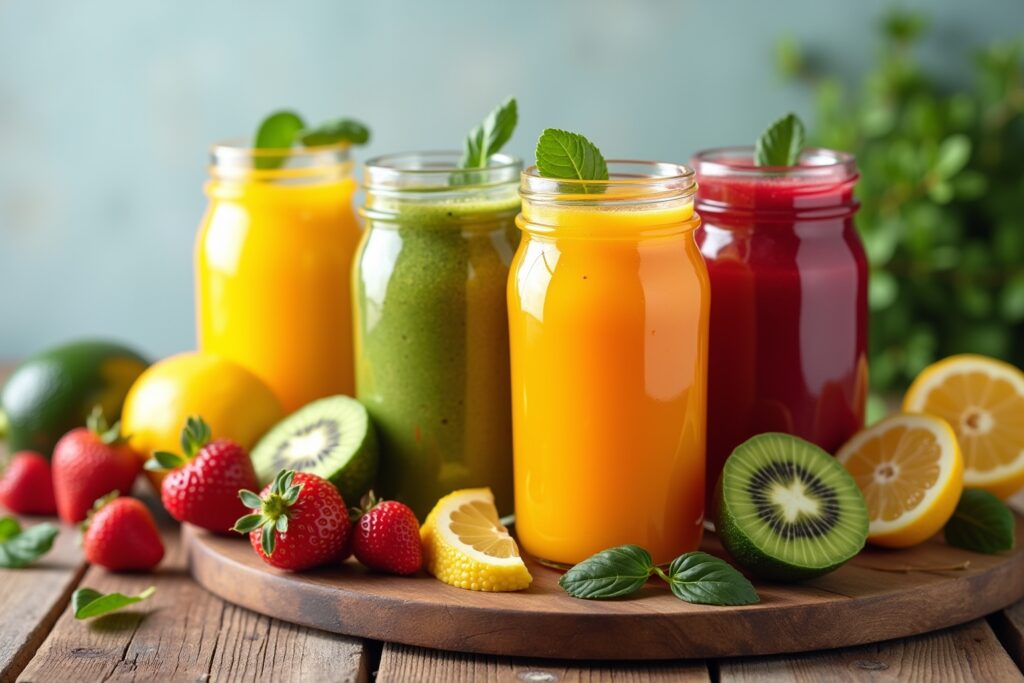
Seeking to revitalize your body and mind through a natural approach? Understanding the principles and practical application of juice cleanse recipes for detoxification is crucial for achieving optimal well-being. This guide offers you a deep dive into creating effective juice cleanses that support your body’s natural cleansing processes.
These are the most popular Juice Cleanse products
Keine Produkte gefunden.The Power of Juice Cleansing for Detoxification
A juice cleanse, often referred to as a juice fast, is a dietary regimen where you consume only fruit and vegetable juices for a specified period. The primary goal is to give your digestive system a rest while flooding your body with vitamins, minerals, and antioxidants. This nutritional influx can aid in flushing out toxins accumulated from environmental factors, processed foods, and stress. By eliminating solid food intake, your body can divert energy from digestion towards repair and elimination processes.
Understanding Toxins and Your Body’s Natural Detoxification
Your body possesses sophisticated detoxification systems, primarily involving the liver, kidneys, and lymphatic system. These organs work continuously to neutralize and eliminate harmful substances. However, modern lifestyles can overload these systems. Factors like pollution, pesticides in food, alcohol consumption, and even chronic stress can contribute to a buildup of toxins. A juice cleanse aims to reduce this toxic load by providing highly bioavailable nutrients that support the efficient functioning of your natural detox pathways.
Benefits of a Well-Planned Juice Cleanse
- Nutrient Density: Juices are packed with vitamins, minerals, antioxidants, and phytonutrients that are easily absorbed by the body.
- Digestive Rest: Eliminating solid food allows your digestive system to rest and repair, potentially reducing inflammation and improving gut health.
- Hydration: Juices are primarily water-based, contributing significantly to your daily hydration needs, which is essential for detoxification.
- Energy Boost: While some may experience initial fatigue, many report increased energy levels after a few days as the body becomes more efficient.
- Improved Skin Health: The abundance of antioxidants and hydration can lead to clearer, more radiant skin.
- Weight Management: Juice cleanses can lead to short-term weight loss due to calorie restriction and reduced water retention.
- Mindful Eating Habits: The cleanse encourages a conscious relationship with food and can help reset cravings for unhealthy foods.
Key Principles for Effective Juice Cleanse Recipes
Creating successful juice cleanse recipes involves more than just blending fruits. You need a strategic approach that balances taste, nutritional value, and the detoxification goals. The emphasis should be on nutrient-rich vegetables, balanced with a moderate amount of low-glycemic fruits to manage blood sugar levels.
The Importance of Vegetable-Forward Juices
While fruits offer sweetness and essential vitamins, they are also higher in natural sugars. For a detoxifying cleanse, the bulk of your juices should be derived from vegetables. This approach maximizes nutrient intake while minimizing the impact on blood sugar. Leafy greens are particularly powerful due to their high concentration of chlorophyll, vitamins, and minerals.
Balancing Sweetness and Flavor
To make your cleanse enjoyable and sustainable, incorporating fruits is necessary for flavor and palatability. However, choose fruits that are lower in sugar content. Berries, apples, pears, and a small amount of lemon or lime can add natural sweetness and zest without overwhelming the juice with sugar.
Hydration and Electrolyte Balance
During a juice cleanse, it’s vital to stay well-hydrated. The juices themselves provide a good source of fluids, but drinking plain water throughout the day is also essential. Electrolytes play a crucial role in bodily functions, including detoxification. Incorporating ingredients like cucumber, celery, and a pinch of natural sea salt in your juices can help maintain electrolyte balance.
Juicing vs. Blending: What’s the Difference?
It’s important to understand the distinction between juicing and blending. Juicing extracts the liquid from fruits and vegetables, discarding the pulp. This results in a concentrated source of vitamins and minerals with less fiber. Blending, on the other hand, pulverizes the entire fruit or vegetable, including the pulp, resulting in a thicker beverage that retains the fiber. For a traditional juice cleanse focused on rapid nutrient absorption and digestive rest, juicing is generally preferred. However, smoothies (from blending) can be a good option for those who need more fiber or find pure juice too intense.
Essential Ingredients for Your Detox Juice Recipes
The selection of ingredients is paramount to the success of your juice cleanse. Focus on organic, fresh produce whenever possible to minimize pesticide exposure. Here are some foundational ingredients:
- Leafy Greens: Spinach, kale, romaine lettuce, Swiss chard, parsley, and cilantro. These are packed with vitamins A, C, K, folate, and iron.
- Cruciferous Vegetables: Broccoli, cauliflower, Brussels sprouts, and cabbage. These contain glucosinolates, which support liver detoxification.
- Root Vegetables: Carrots, beets, and sweet potatoes. They provide beta-carotene, antioxidants, and natural sweetness. Beets, in particular, are known for their liver-cleansing properties.
- Hydrating Vegetables: Cucumber, celery. These are excellent sources of water and electrolytes, aiding in hydration and flushing out toxins.
- Aromatic Vegetables/Herbs: Ginger, turmeric, garlic, and mint. These offer potent anti-inflammatory and antioxidant benefits, along with digestive support.
- Citrus Fruits: Lemons and limes. Their acidity helps to alkalize the body and aid digestion.
- Low-Sugar Fruits: Green apples, pears, and berries. These add natural sweetness and a range of vitamins and antioxidants.
Sample Juice Cleanse Recipes for Detoxification
Here are some foundational recipes designed to be both effective and palatable for your detoxification journey. Remember to adjust proportions based on your taste preferences and available produce. Always use a high-quality juicer.
Recipe 1: The Green Powerhouse
This juice is a potent blend of nutrient-dense greens and hydrating vegetables, ideal for kickstarting your cleanse.
- 2 cups spinach
- 1 cup kale (stems removed)
- 1 large cucumber
- 2 celery stalks
- 1 green apple
- 1/2 lemon (peeled)
- 1-inch piece of ginger
Recipe 2: The Radiant Root Boost
This vibrant juice combines the cleansing power of beets with the sweetness of carrots and apples, offering a rich source of antioxidants.
- 2 medium beets (peeled)
- 3 medium carrots
- 1 red apple
- 1/2 lemon (peeled)
- 1-inch piece of turmeric root (or 1/2 teaspoon turmeric powder)
Recipe 3: The Hydration Hero
Perfect for those seeking maximum hydration and a gentle introduction to cleansing, this recipe is light and refreshing.
- 3 cups cucumber chunks
- 4 celery stalks
- 1 cup romaine lettuce
- 1/2 green apple
- 1/4 cup fresh parsley
- 1/4 lime (peeled)
Recipe 4: The Spicy Citrus Zing
This invigorating juice combines the benefits of ginger and lemon with a refreshing vegetable base for a flavorful detox.
- 1 large cucumber
- 2 celery stalks
- 1 cup spinach
- 1 green apple
- 1 whole lemon (peeled)
- 2-inch piece of ginger
- A few mint leaves (optional)
Structuring Your Juice Cleanse
A juice cleanse is typically undertaken for 1 to 7 days, though longer durations should only be attempted under professional guidance. The key is to listen to your body and prepare adequately.
Pre-Cleanse Preparation
Before beginning your cleanse, it’s advisable to gradually transition your diet. Reduce your intake of processed foods, caffeine, alcohol, and refined sugars for a few days prior. Incorporate more fruits and vegetables into your meals.
During the Cleanse
Consume 4-6 servings of freshly juiced recipes throughout the day. Drink plenty of water between juices. Listen to your body; if you feel excessively weak or unwell, it might be a sign to end the cleanse or adjust your approach. You can also incorporate herbal teas like peppermint or chamomile.
Post-Cleanse Reintroduction
Gradually reintroduce solid foods after your cleanse. Start with easily digestible items like steamed vegetables, fruits, and lean proteins. Avoid heavy, processed, or sugary foods for a few days to allow your digestive system to recover fully.
Considerations and Precautions
While juice cleansing can offer numerous benefits, it’s not suitable for everyone. Consulting with a healthcare professional before starting any juice cleanse is highly recommended, especially if you have pre-existing medical conditions, are pregnant or breastfeeding, or are taking medications.
Who Should Avoid Juice Cleanses?
- Individuals with diabetes or blood sugar regulation issues.
- Pregnant or breastfeeding women.
- People with a history of eating disorders.
- Those with kidney or liver disease.
- Individuals undergoing certain medical treatments.
Potential Side Effects
Some individuals may experience temporary side effects such as headaches, fatigue, irritability, or digestive upset as their body adjusts. These are usually short-lived and subside as the cleanse progresses.
Maintaining Long-Term Health
A juice cleanse is a short-term reset, not a long-term solution for weight loss or chronic health issues. Sustainable healthy eating habits, regular exercise, and adequate sleep are crucial for long-term well-being.
Juice Cleanse Benefits at a Glance
| Category | Key Benefits | Focus Areas |
|---|---|---|
| Nutritional Impact | High intake of vitamins, minerals, antioxidants, phytonutrients. Supports cellular health. | Micronutrient replenishment, antioxidant defense. |
| Digestive System | Rest for the digestive tract. Potential reduction in inflammation. | Gut healing, improved nutrient absorption capacity post-cleanse. |
| Hydration & Elimination | Enhanced fluid intake. Supports kidney and lymphatic system function. | Flushing of metabolic waste and toxins. |
| Energy & Vitality | Potential for increased energy levels after initial adjustment. | Reduced digestive burden allows for more energy for other bodily functions. |
| Weight Management | Short-term weight loss due to calorie deficit and reduced water retention. | Temporary reduction in body mass, reset of eating habits. |
These are the latest Juice Cleanse products with the best ratings.
Keine Produkte gefunden.FAQ – Frequently Asked Questions about Juice Cleanse Recipes zum Entgiften
Can I lose weight with a juice cleanse?
Yes, you can experience short-term weight loss with a juice cleanse. This is primarily due to the significant reduction in calorie intake and a decrease in water retention. However, it’s important to understand that a juice cleanse is not a sustainable long-term weight loss strategy. For lasting results, you’ll need to adopt a balanced diet and regular exercise routine after the cleanse.
How long should I do a juice cleanse?
The duration of a juice cleanse varies and should be tailored to your individual needs and health status. Typically, cleanses range from 1 to 7 days. Shorter cleanses (1-3 days) are often used as a gentle reset, while longer ones (up to 7 days) can offer more profound detoxification. It’s crucial to listen to your body and consult with a healthcare professional, especially for cleanses longer than three days.
What are the best vegetables for a detox juice?
The best vegetables for a detox juice are nutrient-dense and support your body’s natural elimination processes. Excellent choices include leafy greens like spinach, kale, and romaine lettuce; hydrating vegetables such as cucumber and celery; and root vegetables like beets and carrots. Cruciferous vegetables like broccoli and cabbage also offer beneficial compounds that aid liver function. Ginger and turmeric are also highly recommended for their anti-inflammatory and detoxifying properties.
Can I drink plain water during a juice cleanse?
Absolutely, drinking plain water is not only allowed but highly encouraged during a juice cleanse. Adequate hydration is crucial for flushing toxins from your body and supporting the functions of your kidneys and lymphatic system. Aim to drink plenty of water throughout the day, in addition to your juices.
What should I eat after a juice cleanse?
After completing a juice cleanse, it’s essential to reintroduce solid foods gradually to allow your digestive system to readjust. Start with easily digestible foods such as fruits, steamed vegetables, and clear broths. Over the next few days, slowly incorporate lean proteins, healthy fats, and whole grains. Avoid processed foods, excessive sugar, caffeine, and alcohol for at least a few days to maximize the benefits of your cleanse.
Are there any side effects to a juice cleanse?
Some individuals may experience temporary side effects as their body adjusts to the reduced calorie and food intake. These can include headaches, fatigue, dizziness, irritability, and changes in bowel movements. These symptoms are usually mild and short-lived. If you experience severe or persistent side effects, it’s advisable to stop the cleanse and consult with a healthcare professional.
Can I exercise during a juice cleanse?
Light to moderate exercise is generally acceptable during a juice cleanse, especially for shorter durations. Activities like walking, gentle yoga, or stretching can be beneficial. However, high-intensity workouts might be too strenuous, as your body is receiving fewer calories. Listen to your body; if you feel fatigued or weak, it’s best to rest or opt for very light movement.


