
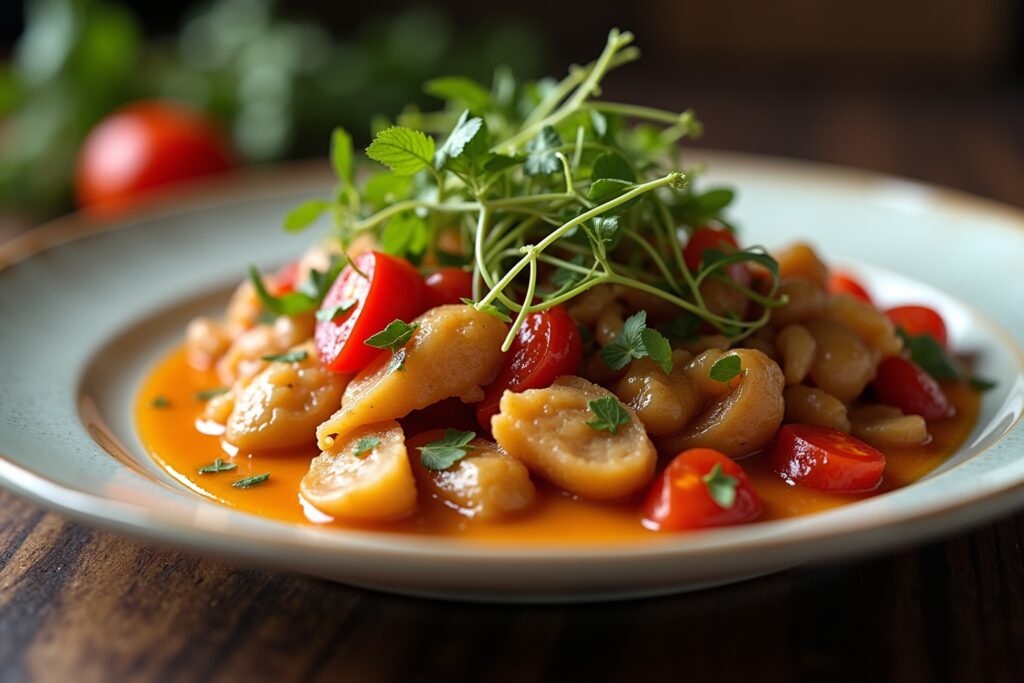
Struggling to find nutritious and delicious dinner options that fit your busy lifestyle? You need quick, wholesome meals that don’t compromise on flavor or your health goals.
These are the most popular Healthy Recipes products
Keine Produkte gefunden.The Foundation of Healthy Dinners: Key Principles
Crafting healthy dinners involves more than just throwing ingredients together; it’s about a balanced approach that prioritizes nutrient density, balanced macronutrients, and mindful preparation. For you, this means focusing on whole, unprocessed foods, lean protein sources, ample vegetables, and healthy fats, while managing carbohydrate intake. The goal is to create satisfying meals that fuel your body effectively and support long-term well-being.
Lean Protein Powerhouses
Protein is crucial for satiety, muscle repair, and overall metabolic function. Incorporating lean protein sources ensures you’re getting essential amino acids without excessive saturated fat. Think about options like chicken breast, turkey, fish, tofu, lentils, and beans. These form the backbone of many satisfying and nutrient-dense evening meals.
The Bounty of Vegetables
Vegetables are powerhouses of vitamins, minerals, fiber, and antioxidants. They add volume and flavor to your meals, contributing to a feeling of fullness and providing vital nutrients. Aim to fill at least half of your plate with a variety of colorful vegetables, whether raw in salads, steamed, roasted, or incorporated into stir-fries and stews.
Healthy Fats for Flavor and Function
Healthy fats are essential for hormone production, nutrient absorption, and providing sustained energy. Incorporate sources like avocados, nuts, seeds, and olive oil. These not only enhance the taste and texture of your meals but also contribute to feelings of satisfaction and help your body utilize fat-soluble vitamins.
Smart Carbohydrate Choices
While often misunderstood, carbohydrates are a primary energy source. Opting for complex carbohydrates like whole grains (quinoa, brown rice, oats), sweet potatoes, and legumes provides sustained energy release and additional fiber. These are far superior to refined carbohydrates, which can lead to energy crashes and are less nutrient-dense.
14 Wholesome Dinner Recipes for Your Table
1. Lemon Herb Roasted Salmon with Asparagus
This dish is a prime example of simplicity meeting nutrition. Salmon is rich in omega-3 fatty acids, beneficial for heart and brain health. Roasting is a hands-off cooking method that locks in moisture and flavor. Asparagus provides fiber, folate, and vitamins A, C, and K. Seasoned with lemon and fresh herbs like dill and parsley, this meal is both elegant and incredibly healthy.
2. Quinoa Black Bean Burgers with Sweet Potato Fries
A fantastic vegetarian option, quinoa and black beans provide complete protein and fiber. These burgers are flavorful and can be customized with your favorite spices. Served on whole-wheat buns or lettuce wraps, they are a satisfying and guilt-free choice. Homemade sweet potato fries, baked rather than fried, offer complex carbohydrates and beta-carotene.
3. Chicken and Broccoli Stir-fry with Brown Rice
A quick and versatile meal, this stir-fry is packed with lean protein from chicken breast and nutrients from broccoli and other vegetables like bell peppers and carrots. Using a light, low-sodium soy sauce or tamari-based sauce keeps it healthy. Serving it with brown rice adds whole grains for sustained energy.
4. Lentil Shepherd’s Pie with Cauliflower Mash
A comforting and hearty vegetarian take on a classic, this shepherd’s pie uses brown or green lentils as the base, simmered with vegetables like carrots, celery, and onions in a rich broth. Instead of traditional mashed potatoes, a topping of steamed and mashed cauliflower offers a lighter, lower-carb alternative that’s still creamy and satisfying.
5. Shrimp Scampi with Zucchini Noodles
For a lighter, yet flavorful pasta alternative, zucchini noodles (zoodles) are a perfect choice. Shrimp provides lean protein, and the garlic, lemon, and white wine sauce, when made with minimal butter and oil, is remarkably light. This dish is quick to prepare and feels indulgent without the heavy calories.
6. Turkey Meatloaf with Roasted Brussels Sprouts
Lean ground turkey forms the base of this healthier meatloaf, often made with oats or whole-wheat breadcrumbs for binding and added fiber. Packed with vegetables like grated carrots and onions, it’s a flavorful and protein-rich meal. Roasted Brussels sprouts, with their slightly bitter, caramelized edges, make a perfect complement.
7. Baked Cod with Mediterranean Salsa
Cod is a flaky, white fish that’s low in fat and high in protein. Baking it with a vibrant Mediterranean salsa made from diced tomatoes, cucumbers, red onion, olives, capers, and fresh parsley, drizzled with olive oil and lemon juice, creates a dish bursting with fresh flavors and healthy fats. This is a light yet deeply satisfying option.
8. Tofu Scramble with Mixed Vegetables and Avocado
While often considered a breakfast dish, a hearty tofu scramble can make an excellent light dinner. Crumbled firm or extra-firm tofu is sautéed with turmeric (for color), nutritional yeast (for a cheesy flavor), and a medley of vegetables such as spinach, mushrooms, and bell peppers. Served with half an avocado, it’s a complete plant-based meal rich in protein and healthy fats.
9. Chicken Fajita Bowls with Cilantro-Lime Cauliflower Rice
Deconstructed fajitas offer a healthy and customizable dinner. Sliced chicken breast is sautéed with bell peppers and onions seasoned with fajita spices. Instead of traditional rice, cauliflower rice seasoned with cilantro and lime juice provides a low-carb base. Top with salsa, a dollop of plain Greek yogurt, and a squeeze of lime for a complete, balanced meal.
10. Salmon Patties with a Side Salad
Using canned salmon makes these patties a quick and affordable option. Mixed with whole-wheat breadcrumbs, egg, and herbs, they are pan-seared or baked until golden. Rich in omega-3s, they are a great way to incorporate fish. A large, fresh side salad with a light vinaigrette balances the meal perfectly.
11. Chickpea and Spinach Curry with Brown Basmati Rice
This fragrant and flavorful curry is entirely plant-based and incredibly filling thanks to chickpeas, a source of protein and fiber. Spinach adds essential vitamins and minerals. Made with coconut milk (light version for fewer calories), tomatoes, onions, garlic, ginger, and a blend of aromatic spices, it’s a warming and nourishing dish served over brown basmati rice.
12. Stuffed Bell Peppers with Ground Turkey and Quinoa
Bell peppers are naturally portioned vessels, perfect for filling with a mixture of lean ground turkey, cooked quinoa, diced tomatoes, onions, and herbs. Baked until the peppers are tender and the filling is heated through, these are a complete and balanced meal. A light tomato sauce can be added for extra moisture and flavor.
13. Grilled Chicken Breast with Roasted Root Vegetables
Simple yet effective, grilled chicken breast is a lean protein staple. Grilling adds a smoky flavor without much added fat. Pairing it with a colorful assortment of roasted root vegetables like carrots, parsnips, and sweet potatoes, tossed with olive oil and herbs, provides complex carbohydrates and essential nutrients. Roasting brings out their natural sweetness.
14. Black Bean Soup with a dollop of Greek Yogurt and Whole Wheat Tortilla Chips
A hearty and comforting black bean soup is packed with fiber and plant-based protein. Made with black beans, vegetable broth, onions, garlic, and spices like cumin and chili powder, it’s a simple yet satisfying dish. A dollop of plain Greek yogurt adds a creamy texture and extra protein, while a few whole wheat tortilla chips provide a satisfying crunch.
Structuring Your Healthy Dinner
A balanced dinner plate typically follows certain guidelines to ensure you’re getting a good mix of nutrients. The ‘Inverted Pyramid’ of healthy eating for dinner often emphasizes vegetables and lean proteins, with a moderate portion of healthy fats and complex carbohydrates.
| Nutrient Focus | Typical Portion Size | Key Components | Benefits |
|---|---|---|---|
| Vegetables | Half of the plate | Leafy greens, cruciferous vegetables, colorful peppers, tomatoes, onions | Vitamins, minerals, fiber, antioxidants, satiety |
| Lean Protein | One quarter of the plate | Chicken breast, fish, turkey, tofu, lentils, beans, eggs | Muscle repair, satiety, metabolic function |
| Complex Carbohydrates | One quarter of the plate | Quinoa, brown rice, sweet potatoes, whole grains, legumes | Sustained energy, fiber, B vitamins |
| Healthy Fats | Small portion/garnish | Avocado, nuts, seeds, olive oil | Hormone production, nutrient absorption, flavor enhancement |
Frequently Asked Questions about 14 Healthy Dinner Recipes
Q1: How can I make these recipes quickly on a weeknight?
For weeknight efficiency, focus on meal prepping components in advance. Chop vegetables on the weekend, pre-cook grains like quinoa or brown rice, and marinate proteins. Many of these recipes, like stir-fries and baked fish, are inherently quick to prepare, often taking 30 minutes or less from start to finish with a bit of organization.
Q2: What if I have dietary restrictions like gluten-free or dairy-free?
Most of these recipes are easily adaptable. For gluten-free needs, ensure you use gluten-free grains like quinoa or rice, and check labels for hidden gluten in sauces or seasonings. For dairy-free, omit cheese or yogurt, or substitute with plant-based alternatives like coconut yogurt or nutritional yeast for a cheesy flavor. Tofu and lentil-based dishes are naturally dairy-free.
Q3: Are these recipes suitable for weight loss?
Yes, these recipes are designed with nutrient density and satiety in mind, which are key for weight management. They focus on lean proteins, abundant vegetables, and complex carbohydrates, which help you feel full longer and provide sustained energy without excessive calories. Portion control remains important, even with healthy foods.
Q4: Can I freeze leftovers from these healthy dinners?
Many of these meals freeze well. Dishes like lentil soup, bean chili, and even baked meatloaf or turkey burgers can be portioned and frozen for future easy meals. It’s best to store them in airtight containers. Reheat thoroughly before consuming. Meals with fresh greens or avocado might not freeze as well, so it’s often better to add those components after reheating.
Q5: How can I increase the vegetable content in these meals?
You can easily boost the vegetable count by adding extra servings of vegetables to the base recipe. For example, in stir-fries, add more broccoli, snap peas, or bok choy. In soups and curries, incorporate more spinach, kale, or zucchini. Roasting an extra side of vegetables is also a simple way to increase your intake. Consider using spiralized vegetables as a base for sauces or to bulk up dishes.
Q6: What are some healthy fat sources I can add to these meals?
Healthy fats can be incorporated through garnishes or as part of the cooking process. Add sliced avocado to bowls or salads, sprinkle nuts or seeds (like almonds, walnuts, chia seeds, or pumpkin seeds) over stir-fries or salads, or use extra virgin olive oil for dressings and light sautéing. Small portions of fatty fish like salmon also contribute healthy fats.


