
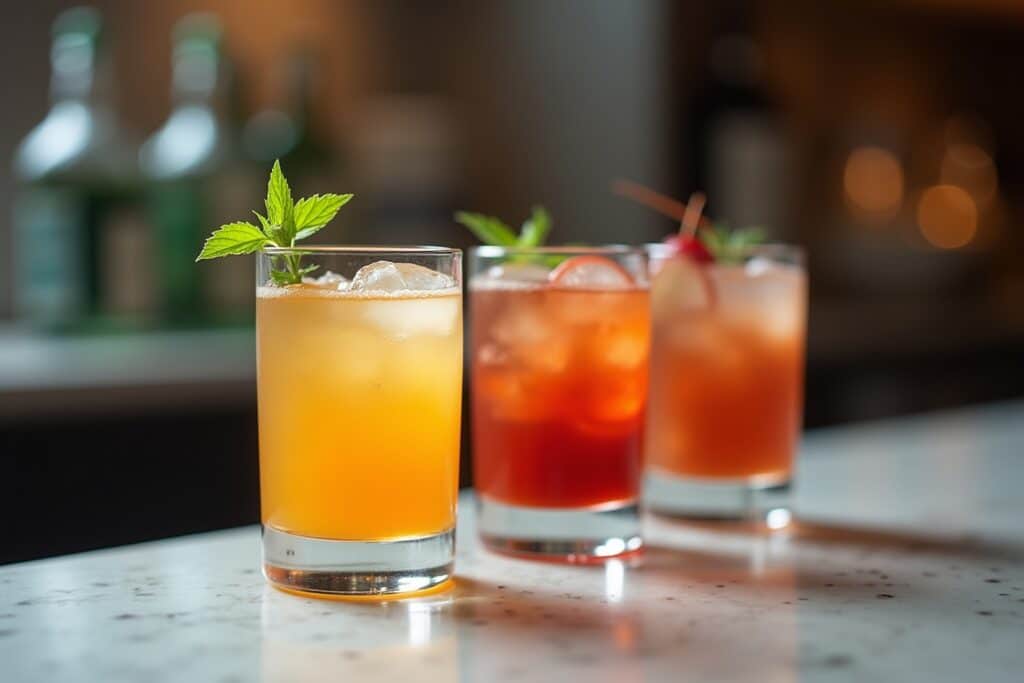
Elevate your home bartending with surprisingly simple yet sophisticated five-ingredient cocktails, perfect for impressing guests or enjoying a personal moment of crafted indulgence. These recipes prove that complex flavor profiles don’t require an exhaustive pantry.
These are the most popular Cocktail Kit products
Keine Produkte gefunden.The Allure of the Five-Ingredient Cocktail
The beauty of a five-ingredient cocktail lies in its elegant simplicity. It strips away the non-essential, focusing on the core components that create a harmonious and memorable drinking experience. For the home mixologist, this translates to less time searching for obscure items and more time enjoying the art of creation. You can achieve a remarkable depth of flavor and a professional finish with just a few key spirits, mixers, and garnishes. This approach is not only budget-friendly but also minimizes waste, making it a sustainable choice for entertaining. Whether you’re a seasoned cocktail enthusiast or just beginning your journey into the world of mixology, mastering the five-ingredient formula opens a universe of possibilities. It encourages creativity by challenging you to find the most impactful combinations within a limited framework.
Key Components of a Balanced Five-Ingredient Cocktail
A well-crafted cocktail, even with a limited ingredient list, adheres to fundamental principles of balance. Understanding these components will empower you to both replicate classic recipes and innovate your own creations.
- The Spirit Base: This is the foundation of your cocktail, dictating its primary character and alcoholic strength. Common choices include vodka, gin, rum, whiskey, tequila, and brandy. The quality of your spirit will significantly impact the final taste.
- The Sweetener: Sweeteners balance the acidity and bitterness of other ingredients, rounding out the flavor profile. Simple syrup (equal parts sugar and water, heated until dissolved and cooled) is the most versatile. Other options include agave nectar, honey syrup, or liqueurs like triple sec or elderflower liqueur.
- The Sour Element: Acidity provides brightness and cuts through richness, preventing the cocktail from tasting cloying. Freshly squeezed citrus juices, such as lemon, lime, or grapefruit, are indispensable. In some cases, certain bitters can also contribute a subtle acidic note.
- The Modifier/Flavor Enhancer: This category includes ingredients that add complexity, unique flavors, or texture. This could be a liqueur (e.g., Aperol, Campari, Chartreuse), a vermouth (sweet or dry), or even a specific type of juice beyond citrus.
- The Garnish: While often overlooked, a garnish is more than just decoration. It contributes aroma, visual appeal, and sometimes even subtle flavor. Think citrus twists, fresh herbs, berries, or a dash of bitters.
Iconic Five-Ingredient Cocktails to Master
These classic cocktails exemplify the power of restraint and thoughtful ingredient selection. Learning these foundational recipes will provide a strong base for your mixology endeavors.
The Old Fashioned
A true timeless classic, the Old Fashioned is a testament to spirit-forward simplicity. Its magic lies in the interplay of robust whiskey, subtle sweetness, and aromatic bitters.
- Spirit: Whiskey (Bourbon or Rye are traditional)
- Sweetener: Sugar cube or simple syrup
- Modifier: Angostura bitters
- Garnish: Orange peel
- Optional 5th: A splash of water to help dissolve the sugar and meld flavors.
The Daiquiri
The authentic Daiquiri is a bright, refreshing, and deceptively simple concoction that showcases the quality of its core ingredients. Avoid the overly sweet, slushy versions; the true Daiquiri is a sophisticated marvel.
- Spirit: White Rum
- Sour: Fresh Lime Juice
- Sweetener: Simple Syrup
- Garnish: Lime wheel
- Optional 5th: A dash of Angostura bitters for complexity.
The Margarita
This universally loved cocktail balances the distinct character of tequila with tart citrus and a hint of sweetness. The salt rim is an integral part of the experience, enhancing the flavors.
- Spirit: Tequila (Blanco or Reposado)
- Sour: Fresh Lime Juice
- Modifier: Orange Liqueur (e.g., Cointreau, Triple Sec)
- Sweetener: Agave Nectar or Simple Syrup (adjust to taste)
- Garnish: Salt rim and lime wedge
The Negroni
Bold, bitter, and undeniably sophisticated, the Negroni is an aperitif that commands attention. Its equal parts ratio makes it remarkably easy to prepare.
- Spirit: Gin
- Modifier 1: Campari
- Modifier 2: Sweet Vermouth
- Garnish: Orange peel
- Optional 5th: A splash of soda water for a lighter, more effervescent rendition (Negroni Sbagliato).
The French 75
A celebratory and elegant choice, the French 75 combines gin, lemon, and champagne for a bubbly, sophisticated drink. It’s perfect for special occasions.
- Spirit: Gin
- Sour: Fresh Lemon Juice
- Sweetener: Simple Syrup
- Modifier: Champagne or other dry sparkling wine
- Garnish: Lemon twist
Building Your Five-Ingredient Cocktail Repertoire
Once you’ve mastered the classics, you’ll find that the five-ingredient framework allows for endless customization. The key is to understand how each element interacts and to use high-quality ingredients.
- Experiment with Spirits: Swap out the whiskey in an Old Fashioned for a good quality rum or even a dark tequila. Try a different gin in your Negroni for a fresh perspective.
- Explore Sweeteners: Beyond simple syrup, consider flavored syrups like raspberry, ginger, or rosemary. Agave nectar offers a distinct profile, while honey syrup adds a richer sweetness.
- Vary the Sour Element: While lime and lemon are staples, don’t shy away from grapefruit, orange, or even passion fruit juice for a tropical twist.
- Introduce New Modifiers: Explore different liqueurs. Elderflower liqueur can add floral notes to a gin-based drink, while amaro can bring complex herbal bitterness.
- Creative Garnishes: Elevate your drinks with fresh herbs like mint or basil, a sprig of rosemary, a dehydrated citrus wheel, or even a dash of aromatic bitters swirled on top.
Understanding Balance and Flavor Profiles
The concept of balance in cocktails refers to the harmonious interplay of sweet, sour, bitter, and alcoholic strength. A perfectly balanced drink will taste refreshing and complex, with no single element overpowering the others.
- Sweetness: This element should complement, not mask, the other flavors. Too much sweetness can lead to a cloying, syrupy drink.
- Acidity: Fresh citrus juice is crucial for brightness. It cuts through richness and prevents the drink from feeling heavy.
- Bitterness: Bitters are essential for adding depth and complexity. They can balance sweetness and introduce intriguing aromatic notes. Liqueurs like Campari or Aperol also contribute significant bitterness.
- Alcoholic Strength: The spirit is the backbone. Its intensity should be moderated by the other ingredients to create a pleasant drinking experience.
Tips for Perfect Five-Ingredient Cocktails Every Time
Achieving consistently delicious cocktails is within reach with a few simple practices and considerations.
- Use Fresh, High-Quality Ingredients: This is arguably the most crucial factor. Freshly squeezed citrus juice is non-negotiable. Use spirits you enjoy drinking on their own.
- Measure Accurately: While intuition develops over time, using a jigger (a small measuring tool) ensures consistency and proper balance in your drinks.
- Chill Your Glassware: A chilled glass keeps your cocktail colder for longer, enhancing its overall appeal and preventing dilution from premature ice melt.
- Use Plenty of Ice: When shaking or stirring, ample ice is vital for proper dilution and chilling. Too little ice will result in a weak, watery drink.
- Learn Proper Technique: Shaking is generally for cocktails containing citrus or cream, while stirring is ideal for spirit-forward drinks to maintain clarity and texture.
- Taste and Adjust: Before serving, always take a small sip. Does it need a touch more sweetness? A squeeze more lime? Don’t be afraid to make minor adjustments.
Essential Tools for the Home Mixologist
While you can improvise with many tools, having a few basic items will significantly enhance your cocktail-making experience and the quality of your drinks.
| Tool | Purpose | Importance |
|---|---|---|
| Jigger | Accurate measurement of liquid ingredients | Essential for consistency and balance |
| Cocktail Shaker | Chilling and diluting cocktails, incorporating air | Crucial for shaken drinks; Boston or Cobbler shaker are popular |
| Bar Spoon | Stirring cocktails gently, layering drinks, and measuring small amounts | Versatile tool for stirred and built drinks |
| Muddler | Crushing fruits, herbs, and sugar cubes to release their oils and juices | For cocktails like Mojitos or Old Fashioneds |
| Citrus Juicer/Press | Extracting fresh juice from lemons, limes, and other citrus fruits | Fresh juice is paramount for quality |
| Strainer (Hawthorne & Fine Mesh) | Separating ice and solid ingredients from the liquid | Ensures a smooth, refined texture; Hawthorne for shaker, fine mesh for double straining |
The Versatility of Five-Ingredient Recipes
The beauty of the five-ingredient cocktail lies in its adaptability. You can easily tailor these recipes to your personal preferences or the ingredients you have on hand. This approach fosters a sense of discovery and encourages experimentation without the intimidation of complex preparations.
- Seasonal Adaptations: Use seasonal fruits and herbs to create variations. In the summer, berries and mint are perfect; in the fall, think apple cider and cinnamon.
- Dietary Considerations: For non-alcoholic versions, simply omit the spirit and increase the proportions of other mixers or use a high-quality non-alcoholic spirit alternative.
- Flavor Pairings: Understand classic flavor combinations. Gin pairs well with cucumber and elderflower; rum with lime and mint; whiskey with citrus and spice.
- Batching for Parties: Many five-ingredient cocktails can be batched in advance for larger gatherings, simplifying serving. Prepare the base mixture (spirit, sweetener, modifier) and add ice and garnish per serving.
When to Choose a Five-Ingredient Cocktail
These streamlined recipes are ideal for a wide range of occasions, proving their value in both casual and more formal settings.
- Weeknight Indulgence: After a long day, you can whip up a sophisticated drink without a lengthy preparation process.
- Entertaining Guests: Impress your friends with well-crafted cocktails without spending hours behind the bar.
- Developing Your Skills: They serve as excellent training grounds for understanding fundamental mixology principles.
- Small Gatherings: Perfect for intimate dinners or casual get-togethers where you want to offer a special touch.
- Exploring New Flavors: A limited ingredient list encourages you to focus on the nuances of each component.
These are the latest Cocktail Kit products with the best ratings.
Keine Produkte gefunden.FAQ – Frequently Asked Questions about Five-Ingredient Cocktails
What is the simplest five-ingredient cocktail to make?
The Daiquiri is often considered one of the simplest and most elegant five-ingredient cocktails. It requires just white rum, fresh lime juice, simple syrup, and a garnish (like a lime wheel). If you consider the garnish an optional fifth element, it’s a perfect three-ingredient wonder. Adding a dash of bitters or a different type of rum can easily bring it to five ingredients while maintaining its straightforward preparation.
Do I really need a jigger to make these cocktails?
While it’s possible to eyeball measurements, a jigger is highly recommended for achieving consistent and well-balanced cocktails. Cocktail recipes are carefully calibrated, and using a jigger ensures you get the correct proportions of sweet, sour, and spirit, leading to a superior taste experience every time. It’s a small investment that significantly elevates your home bartending.
Can I make these cocktails without fresh citrus juice?
While you can technically use bottled citrus juice, it will significantly impact the flavor and brightness of your cocktail. Freshly squeezed citrus juice contains essential oils and vibrant acidity that bottled alternatives often lack. For best results, always opt for fresh lemons, limes, or grapefruits when making cocktails.
What is the difference between shaking and stirring a cocktail?
Shaking is typically used for cocktails that contain citrus, dairy, or egg whites, as it chills, dilutes, and aerates the drink, creating a slightly frothy texture. Stirring is reserved for spirit-forward cocktails (like an Old Fashioned or Martini) to chill and dilute them while maintaining a smooth, clear texture without introducing air bubbles.
How can I make a five-ingredient cocktail non-alcoholic?
To create a non-alcoholic version of a five-ingredient cocktail, you would omit the spirit and typically replace it with a complementary non-alcoholic spirit alternative or increase the proportions of the other mixers. For instance, in a non-alcoholic Margarita, you might use a non-alcoholic tequila alternative, fresh lime juice, orange juice or a sugar-free orange syrup, and a touch of agave nectar, finished with a salt rim. The key is to maintain the balance of sweet and sour.
Is it important to use chilled glassware?
Absolutely. Using chilled glassware is an essential step in serving cocktails. It keeps your drink colder for longer without excessive dilution from melting ice. Pre-chilling glasses in the freezer or by filling them with ice water for a few minutes before preparation makes a noticeable difference in the overall quality and enjoyment of your cocktail.
What are some common five-ingredient cocktails that are spirit-forward?
Spirit-forward cocktails prioritize the flavor of the base spirit. Classic examples that often fall within the five-ingredient range include the Old Fashioned (whiskey, sugar, bitters, water, garnish), the Manhattan (whiskey, sweet vermouth, bitters, garnished with a cherry), and the Sazerac (rye whiskey, absinthe rinse, Peychaud’s bitters, sugar cube, lemon peel). These drinks are typically stirred, not shaken, to preserve their clarity and texture.


