
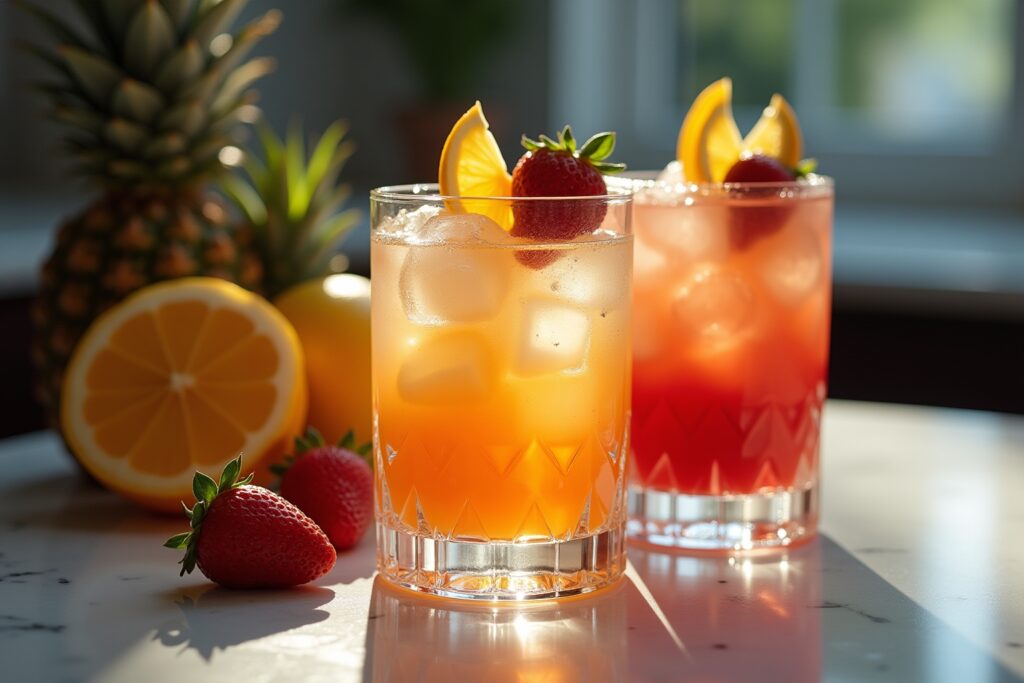
Elevate your next gathering or quiet evening with meticulously crafted wine cocktail recipes that redefine classic and contemporary beverage experiences. You’ll discover how to transform humble bottles of wine into sophisticated concoctions, perfect for impressing guests or treating yourself to a delightful indulgence.
These are the most popular Wine Cocktail Book products
Keine Produkte gefunden.The Art of Wine Cocktails: Beyond the Bottle
Wine cocktails offer a versatile and approachable way to explore the world of mixed drinks. Unlike spirits-based cocktails, wine provides a unique flavor profile that can be both delicate and complex, making it an excellent base for a wide range of creations. Whether you prefer the crispness of white wine, the robust character of red wine, or the celebratory fizz of sparkling wine, there’s a wine cocktail waiting to be discovered that perfectly suits your palate and the occasion.
Understanding Wine Cocktail Fundamentals
The foundation of any great wine cocktail lies in understanding the interplay of its components. You’re not just mixing ingredients; you’re harmonizing flavors, textures, and aromas. Consider the type of wine you’re using: its body, acidity, tannin levels, and inherent fruit notes will significantly influence the final taste. White wines, with their typically higher acidity and fruit-forward profiles, lend themselves well to refreshing and light drinks. Red wines, especially those with more body and tannins, can create richer, more complex, and even warming cocktails. Sparkling wines, of course, add effervescence and a celebratory air.
Beyond the wine, the choice of mixers, liqueurs, fruits, herbs, and sweeteners is crucial. The goal is to complement, not overpower, the wine. For example, a delicate Sauvignon Blanc might pair beautifully with elderflower liqueur and fresh mint, while a bold Cabernet Sauvignon could be enhanced by dark berries and a hint of chocolate liqueur. Balance is key – the perfect wine cocktail achieves a harmonious blend where no single ingredient dominates, but rather contributes to a cohesive and delightful whole.
Top Wine Cocktail Categories & Recipes
Exploring wine cocktails can be categorized by the type of wine used, allowing you to delve into specific flavor profiles and recipe styles.
| Wine Type | Typical Profile | Popular Cocktail Examples | Key Ingredients |
|---|---|---|---|
| Red Wine | Full-bodied, complex, fruity, sometimes tannic | Sangria, Kalimotxo, New York Sour, Claret Punch | Red fruits, brandy, citrus, spices, sugar, soda water |
| White Wine | Crisp, light, aromatic, acidic, fruity | White Sangria, Spritzer, Hugo, French 75 (with a white wine variation) | Citrus fruits, elderflower, mint, sparkling water, liqueurs |
| Rosé Wine | Fruity, floral, refreshing, medium-bodied | Rosé Spritzer, Rosé Sangria, Watermelon Rosé Cooler | Berries, mint, citrus, soda water, light liqueurs |
| Sparkling Wine (Prosecco, Champagne, Cava) | Bubbly, crisp, dry to sweet, celebratory | Bellini, Mimosa, French 75, Aperol Spritz (with Prosecco) | Fruit purées, citrus juices, liqueurs, simple syrup |
| Fortified Wine (Port, Sherry) | Rich, intense, complex, often sweet or nutty | Vesper Martini (with a touch of Sherry), Hot Toddy (with Port), Man O’ War | Spices, citrus, honey, other spirits, herbs |
Classic Red Wine Cocktails
Red wine cocktails often evoke warmth and sophistication. The most iconic is undoubtedly Sangria, a Spanish punch that can be customized endlessly. A traditional red Sangria involves red wine, chopped fruit (oranges, apples, lemons), a sweetener (sugar or simple syrup), and often a splash of brandy or orange liqueur. It’s best prepared ahead of time to allow the flavors to meld.
For a simpler yet equally flavorful option, the Kalimotxo is a Basque Country staple, combining equal parts red wine and cola. It’s surprisingly refreshing and a testament to minimalist mixology. The New York Sour offers a visual and gustatory delight: a whiskey sour base with a float of red wine, creating a beautiful layered effect and a complex flavor profile that combines the sharpness of whiskey with the fruitiness of the wine.
Refreshing White Wine Cocktails
White wine cocktails are perfect for warmer weather or when you desire something light and invigorating. A White Wine Spritzer is the epitome of simplicity and refreshment, typically made with white wine and sparkling water, often garnished with a lemon or lime wedge. It’s a low-calorie, low-alcohol option that’s incredibly adaptable.
The Hugo cocktail, originating from the Italian South Tyrol, is a delightful blend of Prosecco, elderflower syrup, fresh mint, and a splash of soda water. Its floral and herbaceous notes are incredibly appealing. For those who enjoy a bit more complexity, a White Sangria can be made with white wine (like Pinot Grigio or Sauvignon Blanc), white fruits (peaches, pears, grapes), a touch of white grape juice, and perhaps a hint of ginger liqueur.
Vibrant Rosé Wine Cocktails
Rosé wine, with its balance of fruitiness and crispness, has become a favorite for cocktails. A Rosé Spritzer follows the same principle as its white wine counterpart, offering a light and bubbly refreshment. Rosé Sangria can incorporate berries, watermelon, and citrus, creating a beautiful pink hue and a taste of summer.
Consider a Watermelon Rosé Cooler, made with rosé, fresh watermelon juice, a squeeze of lime, and perhaps a sprig of mint. It’s a vibrant and hydrating option perfect for poolside sipping. The natural berry and floral notes of many rosés make them exceptionally versatile partners for fresh fruit and light herbal infusions.
Celebratory Sparkling Wine Cocktails
Sparkling wine cocktails are synonymous with celebration and good times. The Mimosa, a brunch classic, is a simple yet elegant mix of equal parts sparkling wine and orange juice. The Bellini, a Venetian invention, swaps orange juice for a purée of fresh peaches, offering a smoother, sweeter, and more luxurious experience.
The French 75 is a sophisticated cocktail that traditionally uses gin, but can be beautifully adapted with a dry sparkling wine as the primary base, mixed with lemon juice and simple syrup. The Aperol Spritz, a modern classic, features Aperol, Prosecco, and a splash of soda water, garnished with an orange slice. Its distinctive bittersweet flavor profile has made it a global phenomenon.
Sophisticated Fortified Wine Cocktails
Fortified wines like Port and Sherry, while often enjoyed on their own, can also add incredible depth and complexity to cocktails. A Sherry cobbler, a classic from the 19th century, combines sherry with sugar and fruit, served over crushed ice. It’s a refreshing and less common but highly rewarding choice.
Port wine can be incorporated into warming drinks like a Port Toddy, mixed with hot water, lemon, honey, and spices. For a more adventurous approach, a touch of dry Sherry can add a nutty, saline complexity to a classic Martini, as seen in variations of the Vesper. These cocktails offer a richer, more concentrated flavor experience.
Crafting Your Perfect Wine Cocktail: Tips and Techniques
Beyond the recipes themselves, a few guiding principles can help you create truly exceptional wine cocktails.
- Quality Ingredients: Always use the best quality wine and fresh ingredients you can afford. The wine is the star, so its quality will directly impact the final drink. Freshly squeezed citrus juices are far superior to bottled ones.
- Balance is Key: Pay close attention to the balance of sweet, sour, and bitter elements. Taste as you go and adjust accordingly. A little too much sweetness can be balanced with more citrus or a touch of bitters.
- Temperature Matters: Most wine cocktails are best served chilled. Ensure your wine and other ingredients are properly chilled. Use plenty of ice, both for shaking/stirring and for serving.
- Garnish with Purpose: Garnishes aren’t just for decoration; they can enhance the aroma and flavor of the cocktail. Citrus twists, fresh herbs, berries, or even a dusting of spice can elevate the experience.
- Experiment with Ice: Different types of ice can affect dilution and presentation. Large cubes melt slower, while crushed ice can create a more intense chill and quicker dilution, suitable for certain drinks like punches or cobblers.
- Infusions and Syrups: Don’t shy away from making your own flavored syrups or infusing spirits or wines. For example, a rosemary-infused simple syrup can add an herbaceous note to a white wine cocktail.
The Essential Tools for Wine Cocktail Creation
While you don’t need a professional bar setup, a few essential tools will significantly improve your wine cocktail-making process:
- Cocktail Shaker: Essential for chilling and combining ingredients for drinks that require aeration and proper chilling.
- Jigger: A measuring tool for precise ingredient ratios, crucial for consistent results.
- Bar Spoon: For stirring cocktails that should not be aerated, and for layering ingredients.
- Citrus Juicer/Press: For extracting fresh juice from lemons, limes, and other fruits.
- Muddler: For gently bruising fruits and herbs to release their essential oils and flavors.
- Fine Mesh Strainer: To remove ice shards or small bits of fruit and herbs when straining a shaken or stirred drink.
- Wine Key/Corkscrew: Essential for opening wine bottles.
Wine Cocktail Pairings and Occasions
The beauty of wine cocktails lies in their versatility for various occasions and food pairings.
Pairing with Food
Lighter white wine cocktails, like spritzers or white sangrias with citrus and light fruits, pair wonderfully with salads, seafood, chicken, and lighter appetizers. Their acidity cuts through richness and cleanses the palate.
Rosé cocktails, with their berry and floral notes, are incredibly versatile, complementing everything from grilled fish and vegetable dishes to charcuterie boards and light pasta dishes.
Red wine cocktails, especially Sangrias and those incorporating darker fruits, can stand up to heartier fare. Think grilled meats, stews, pizza, and robust pasta dishes. The fruit and spice elements can echo flavors in the food.
Sparkling wine cocktails are excellent as aperitifs, stimulating the appetite. They also pair beautifully with appetizers, sushi, light desserts, and fried foods. Their effervescence provides a refreshing counterpoint.
Occasions and Celebrations
Wine cocktails are perfect for:
- Brunch: Mimosas and Bellinis are brunch staples.
- Dinner Parties: A well-crafted Sangria or a sophisticated white wine cocktail can be a signature drink.
- Outdoor Gatherings: Light and refreshing spritzers, rosé coolers, and punches are ideal for picnics and BBQs.
- Holiday Celebrations: Sparkling wine cocktails add a festive touch to any holiday. Consider mulled wine or port-based warm drinks for winter gatherings.
- Relaxing Evenings: A simple wine spritzer or a single-serving white wine cocktail can be a delightful way to unwind.
These are the latest Wine Cocktail Book products with the best ratings.
Keine Produkte gefunden.FAQ – Frequently Asked Questions about Wine Cocktails
What is the best type of wine for Sangria?
For classic red Sangria, medium-bodied, fruity red wines like Garnacha (Grenache), Tempranillo, Merlot, or even a young Rioja are excellent choices. Avoid overly tannic or complex wines, as they can overpower the fruit and other ingredients. For white Sangria, crisp and aromatic white wines such as Sauvignon Blanc, Pinot Grigio, or a dry Riesling work best.
How far in advance can I make Sangria?
Sangria benefits from resting time, so it’s best made at least 2-4 hours before serving, and up to 24 hours in advance for the flavors to fully meld. Ensure you add any carbonated mixers (like soda water or sparkling wine) just before serving to maintain their fizz.
Can I use non-alcoholic wine in wine cocktails?
Absolutely! Non-alcoholic wines have improved significantly and can be used to create fantastic alcohol-free versions of most wine cocktails. You’ll achieve a similar flavor profile and a satisfying beverage experience, perfect for those abstaining from alcohol.
What’s the difference between a Spritzer and a Fizz?
A Spritzer is typically made with wine and still or sparkling water, often with a citrus garnish. A Fizz, on the other hand, usually includes wine, a sweetener, citrus juice, and is topped with soda water, and may sometimes include egg white for texture. The Spritzer is generally simpler and more wine-forward.
How can I make my wine cocktails less sweet?
To reduce sweetness, you can decrease the amount of simple syrup or other sweeteners, or omit them altogether if the fruit and wine provide enough. Increase the amount of citrus juice (lemon or lime) to add tartness and balance. Adding a dash or two of bitters can also introduce complexity without adding sweetness.
Are there any wine cocktails that are good served warm?
Yes, mulled wine is a classic example of a warm wine cocktail, typically made with red wine, spices (cinnamon, cloves, star anise), citrus, and a sweetener. You can also create warm cocktails using Port or fortified wines, often combined with spices, honey, and citrus.
What’s a good wine cocktail for beginners?
A Wine Spritzer is an excellent starting point. It’s incredibly easy to make, requires minimal ingredients, and is highly adaptable to your taste preferences. You can adjust the ratio of wine to sparkling water and experiment with different garnishes like lemon, lime, or berries.


