
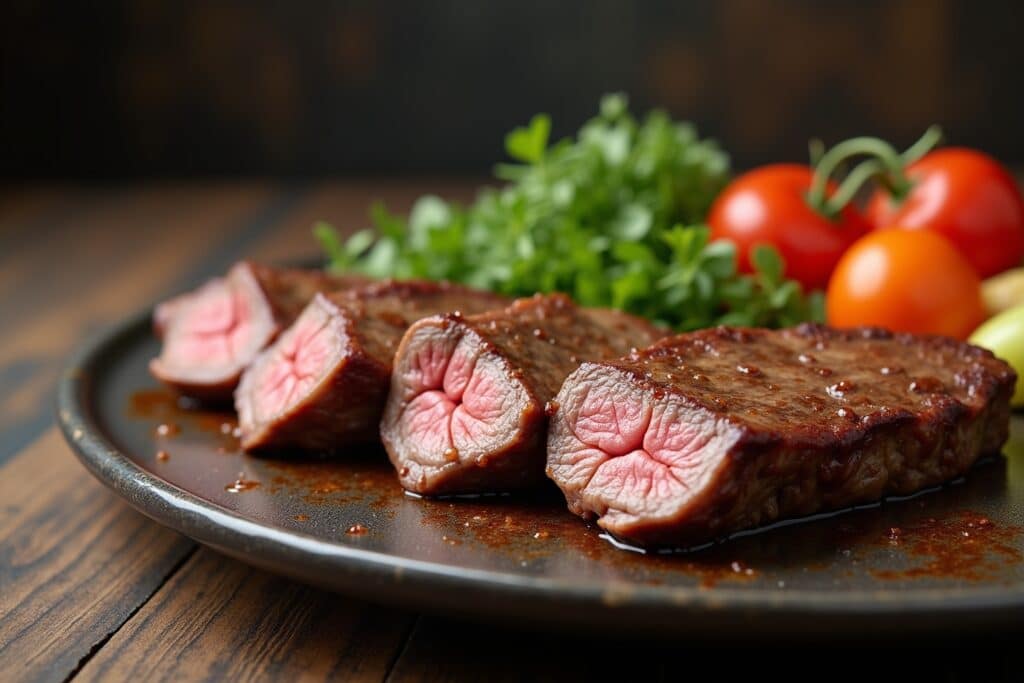
Elevate your dining experience with perfectly cooked steak, a dish that can truly define any meal. Discovering the ideal steak recipe tailored to your occasion ensures a memorable culinary success, whether you’re hosting an intimate dinner or a celebratory feast.
These are the most popular Steak Cookbook products
Keine Produkte gefunden.Mastering the Art of Steak: Key Considerations for Every Recipe
Choosing the right steak cut is foundational to a successful dish, directly influencing texture, flavor, and cooking method. Understanding the nuances of different cuts allows you to select the best option for your desired outcome and the specific recipe you intend to prepare.
Understanding Steak Cuts: The Foundation of Flavor and Texture
The diversity of steak cuts is vast, each offering a unique culinary profile. For instance, the Ribeye is renowned for its rich marbling, which renders during cooking to create unparalleled tenderness and a robust flavor. This makes it an excellent choice for those who prioritize decadent taste. The New York Strip, on the other hand, offers a slightly firmer texture with a prominent beefy flavor and a satisfying chew, often favored for its balance of tenderness and character. Filet Mignon, derived from the tenderloin, is exceptionally lean and incredibly tender, making it the quintessential choice for a luxurious and melt-in-your-mouth experience, though it typically has a milder flavor profile.
For grilling enthusiasts, flank steak and skirt steak present robust, beefy flavors and a slightly coarser texture. Their value lies in their ability to absorb marinades beautifully, making them ideal for dishes with bold flavors and requiring a shorter cooking time. These cuts benefit significantly from marinating to enhance their tenderness and flavor integration. When selecting, consider the cooking method you plan to employ. Higher heat, quick cooking methods like grilling or pan-searing are ideal for tender cuts, while tougher cuts can benefit from slower cooking or marinating.
Cooking Techniques: Precision for Perfection
The method you choose to cook your steak is as crucial as the cut itself. Pan-searing, grilling, broiling, and reverse searing each yield distinct results and cater to different preferences and steak types.
- Pan-Searing: This technique involves cooking the steak in a hot skillet, often with butter and aromatics like garlic and herbs. It creates a beautiful, caramelized crust while allowing for precise temperature control. It’s particularly effective for thinner cuts or when you want to build a pan sauce.
- Grilling: The quintessential method for many steak lovers, grilling imparts a smoky flavor and desirable char marks. High heat is key to achieving a seared exterior and a perfectly cooked interior. Ideal for thicker cuts that benefit from direct heat.
- Broiling: Similar to grilling, broiling uses high, direct heat from above. It’s a convenient indoor alternative to grilling, delivering a good sear. It works well for thinner cuts or when you want a quick, high-heat cook.
- Reverse Searing: This advanced technique involves cooking the steak at a low temperature in the oven until it reaches near your desired internal temperature, then searing it quickly on high heat to develop the crust. It offers exceptional edge-to-edge doneness and minimizes the grey band common in traditionally cooked steaks, making it perfect for thicker cuts.
Seasoning and Marinades: Enhancing the Natural Flavors
While a high-quality steak can stand on its own, thoughtful seasoning and marinades can elevate its flavor profile significantly. Simple salt and freshly cracked black pepper are often all that’s needed for the finest cuts, allowing the inherent richness of the beef to shine.
However, marinades offer a fantastic opportunity to infuse flavor, especially into leaner or tougher cuts. Acidic components like citrus juice or vinegar can help tenderize the meat, while oil provides richness and helps distribute flavors. Soy sauce, Worcestershire sauce, herbs, garlic, and spices are common additions that can transform a steak into something extraordinary. For marinades, allow at least 30 minutes for thinner cuts, and up to several hours for thicker or tougher cuts, ensuring they are not marinated for too long to avoid a mushy texture.
The Ultimate Steak Recipe Guide for Every Occasion
Selecting the perfect steak recipe depends entirely on the context of your meal, the desired level of formality, and the time available for preparation. From quick weeknight dinners to impressive celebratory feasts, there’s a steak preparation to suit every need.
Quick & Easy Weeknight Steaks
For those evenings when time is limited but you crave a delicious, satisfying meal, these recipes are your go-to. They focus on speed without compromising on flavor.
- Pan-Seared Sirloin with Garlic Herb Butter: Sirloin offers a good balance of flavor and tenderness at a reasonable price. A quick sear in a hot cast-iron skillet, finished with a compound butter of softened butter, minced garlic, chopped fresh herbs (like parsley, thyme, or rosemary), and a pinch of salt and pepper, transforms this cut into a restaurant-quality dish in under 20 minutes.
- Grilled Skirt Steak with Chimichurri: Skirt steak is a flavorful and relatively quick-cooking option. Marinating it briefly in a simple blend of olive oil, lime juice, garlic, and cumin can enhance its taste. Grilling it to medium-rare and serving it sliced thinly against the grain, topped with vibrant, herbaceous chimichurri (a mix of finely chopped parsley, oregano, garlic, olive oil, and vinegar), makes for a lively and satisfying meal.
Impressive Dinner Party Steaks
When hosting guests, you want dishes that are not only delicious but also present beautifully and leave a lasting impression. These recipes are designed for making a statement.
- Ribeye Steak with Red Wine Reduction: A well-marbled Ribeye is a luxurious choice for any dinner party. Pan-sear it to perfection, then deglaze the pan with a good quality red wine, beef broth, shallots, and a sprig of thyme to create a rich, glossy sauce. This classic pairing is elegant and deeply flavorful.
- Filet Mignon with Mushroom Cream Sauce: The unparalleled tenderness of Filet Mignon makes it a classic choice for special occasions. Sear it quickly and finish in the oven to achieve your desired doneness. A decadent sauce made from sautéed mushrooms, garlic, shallots, cream, and a touch of brandy complements its delicate flavor beautifully.
- T-Bone or Porterhouse Steak for Two: These impressive cuts offer both the tenderloin and the strip steak, providing a varied dining experience. Grilling these large steaks to a perfect medium-rare and allowing them to rest properly ensures succulent results. They are often best served simply, allowing the quality of the beef to be the star.
Comforting & Hearty Steak Meals
For those times when you crave something truly satisfying and comforting, these steak recipes offer a wholesome and hearty experience.
- Steak and Potatoes au Gratin: Tender strips of steak, perhaps sirloin or flank, can be incorporated into a rich and creamy potato gratin. Layers of thinly sliced potatoes, a béchamel sauce infused with cheese, and seasoned steak pieces baked until bubbly and golden create a magnificent, all-in-one comforting dish.
- Steak Stir-Fry with Vibrant Vegetables: Thinly sliced flank or skirt steak, marinated and quickly stir-fried with a colorful array of crisp vegetables like bell peppers, broccoli, snap peas, and onions in a savory soy-ginger sauce, served over rice or noodles. This provides a balanced and deeply satisfying meal that’s also incredibly versatile.
Steak for Special Celebrations
Marking significant milestones calls for dishes that are celebratory and truly memorable. These options are perfect for anniversaries, birthdays, or any occasion worth splurging on.
- Tomahawk Steak: This visually striking, bone-in ribeye cut is as impressive to look at as it is to eat. Its substantial size and rich marbling make it a showstopper for any celebration. Typically grilled or reverse-seared, its large bone adds flavor and creates a dramatic presentation.
- Chateaubriand with Béarnaise Sauce: The thickest part of the tenderloin, Chateaubriand, is a prime cut for special occasions. Traditionally roasted and served medium-rare, it’s often accompanied by the classic, emulsified Béarnaise sauce made with egg yolks, butter, white wine vinegar, tarragon, and shallots. This is the epitome of elegant steak dining.
The Essential Steak Cooking Process: A Step-by-Step Approach
Regardless of the specific recipe, a consistent process ensures optimal results when cooking steak. Following these fundamental steps will help you achieve that perfect sear and juicy interior.
1. Selecting and Preparing Your Steak
Begin by choosing a steak of good quality and appropriate thickness for your chosen cooking method. Thicker cuts (1.5 inches or more) are more forgiving for high-heat cooking. Take the steak out of the refrigerator at least 30-60 minutes before cooking to allow it to come to room temperature. This ensures even cooking throughout. Pat the steak thoroughly dry with paper towels; moisture on the surface will prevent proper searing and impede crust formation.
2. Seasoning Generously
Generous seasoning is crucial for flavor. Use coarse sea salt or kosher salt and freshly cracked black pepper. Apply it liberally to all sides of the steak just before cooking. For marinades, ensure the steak has had adequate time to absorb the flavors.
3. Achieving the Perfect Sear
Preheat your cooking vessel (cast-iron skillet or grill) to high heat. For pan-searing, add a high smoke point oil like avocado or grapeseed oil. Once shimmering hot, carefully place the steak in the pan. Sear for 2-4 minutes per side, depending on thickness, until a deep, brown crust forms. For grilling, place the steak over the hottest part of the grill.
4. Cooking to Your Desired Doneness
After searing, you may need to continue cooking to reach your preferred level of doneness. For pan-searing, you can reduce the heat slightly and add butter, garlic, and herbs to baste the steak. For grilling, move the steak to a cooler part of the grill. Use an instant-read thermometer for accuracy:
- Rare: 125-130°F (52-54°C)
- Medium-Rare: 130-135°F (54-57°C)
- Medium: 135-145°F (57-63°C)
- Medium-Well: 145-155°F (63-68°C)
- Well-Done: 155°F+ (68°C+)
Remember that the steak’s temperature will rise another 5-10 degrees Fahrenheit as it rests.
5. Resting is Non-Negotiable
This is perhaps the most overlooked but critical step. Once cooked, remove the steak from the heat and let it rest on a cutting board, loosely tented with foil, for at least 5-10 minutes (longer for thicker cuts). This allows the juices to redistribute throughout the meat, resulting in a more tender and flavorful steak. Cutting into it too soon will cause all the juices to run out.
6. Slicing and Serving
After resting, slice the steak against the grain. This breaks up the muscle fibers, making it more tender to eat. Serve immediately with your chosen accompaniments.
| Steak Cut | Ideal Cooking Method | Flavor Profile | Texture | Best For |
|---|---|---|---|---|
| Ribeye | Grilling, Pan-Searing, Broiling | Rich, Beefy, Buttery | Very Tender, Melts in Mouth | Indulgent Meals, Dinner Parties |
| Filet Mignon (Tenderloin) | Pan-Searing, Broiling, Roasting | Mild, Delicate | Extremely Tender, Lean | Luxurious Dining, Special Occasions |
| New York Strip | Grilling, Pan-Searing | Beefy, Slightly Chewy | Tender with a Good Bite | Versatile, Weeknight to Dinner Party |
| Sirloin | Grilling, Pan-Searing | Good Beef Flavor | Moderately Tender | Everyday Meals, Budget-Conscious |
| Flank Steak | Marinating, Grilling, Stir-Frying | Robust, Beefy | Chewier, Absorbs Marinades Well | Quick Meals, Tacos, Fajitas |
| Skirt Steak | Marinating, Grilling, Pan-Searing | Intense Beef Flavor | Chewy, Fibrous | Fajitas, Stir-fries, Flavor-Forward Dishes |
These are the latest Steak Cookbook products with the best ratings.
Keine Produkte gefunden.FAQ – Frequently Asked Questions about The Best Steak Recipes for Every Menu
What is the best way to ensure a steak is tender?
Tender steak starts with selecting a tender cut like Filet Mignon or Ribeye. For less tender cuts, marinating is key to breaking down muscle fibers. Additionally, cooking the steak to the correct internal temperature and allowing it to rest properly after cooking are crucial steps that ensure tenderness by allowing the juices to redistribute evenly throughout the meat.
How do I avoid overcooking my steak?
The most reliable method is to use an instant-read meat thermometer. Insert it into the thickest part of the steak, avoiding bone or fat. Aim for the temperature slightly below your desired final doneness, as the steak will continue to cook as it rests. Paying close attention to cooking times based on steak thickness and heat level is also important.
What are the most popular steak cuts for grilling?
For grilling, Ribeye, New York Strip, Sirloin, Flank Steak, and Skirt Steak are exceptionally popular. These cuts benefit from the high heat of the grill, developing a desirable char and smoky flavor while cooking relatively quickly to tender perfection.
Can I cook steak indoors if I don’t have a grill?
Absolutely. Pan-searing in a cast-iron skillet is an excellent indoor alternative that creates a fantastic crust. Broiling in the oven also uses direct, high heat to mimic grilling. The reverse sear method, which involves oven cooking followed by a quick sear, is another highly effective indoor technique.
What is the importance of letting steak rest after cooking?
Resting steak allows the muscle fibers to relax and the juices to redistribute evenly throughout the meat. If you cut into a steak immediately after cooking, the hot juices will run out onto the plate, resulting in a dry and less flavorful steak. A minimum of 5-10 minutes is recommended for most cuts.
How long should I marinate steak?
The marination time depends on the cut of steak and the ingredients in the marinade. For tender cuts like flank or skirt steak, 30 minutes to 2 hours is usually sufficient. For tougher cuts, you might marinate for up to 4-8 hours. However, avoid marinating lean cuts for too long, especially with acidic ingredients, as the meat can become mushy and break down excessively.
What’s the best way to season steak?
For high-quality steaks, simple seasoning with coarse sea salt or kosher salt and freshly cracked black pepper just before cooking is often all that’s needed to highlight the beef’s natural flavor. For other cuts or dishes, marinades and rubs with herbs, spices, garlic, and aromatics can add complexity and depth.


