
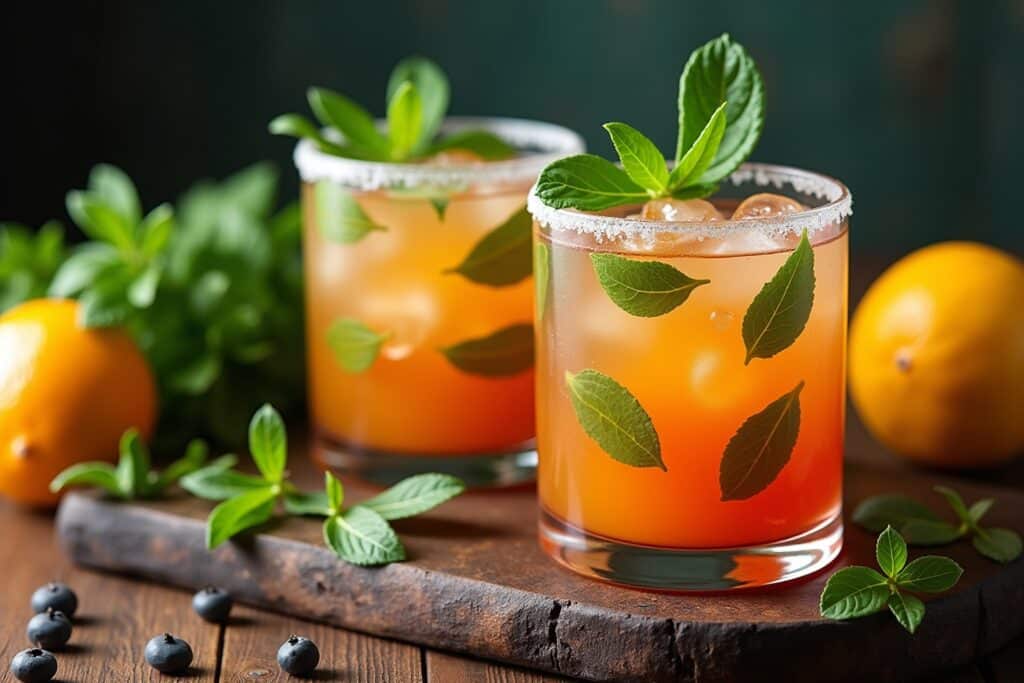
Elevate your home bartending with 17 invigorating herbal cocktail recipes that transform simple spirits into sophisticated, refreshing beverages. Discover how to infuse classic and contemporary drinks with the vibrant essence of fresh herbs, creating unique flavor profiles that are both familiar and exciting for you and your guests.
These are the most popular Herbal Cocktails products
Keine Produkte gefunden.The Aromatic Appeal of Herbal Cocktails
Herbal cocktails offer a sophisticated way to explore complex flavor pairings, moving beyond the usual fruit-forward profiles. The natural oils and compounds found in herbs provide an unparalleled depth and freshness that can significantly enhance the character of any spirit. From the cooling notes of mint to the subtle spice of rosemary or the bright citrus of basil, incorporating fresh herbs into your drink repertoire is a journey of sensory discovery.
Benefits of Using Fresh Herbs in Cocktails
- Enhanced Flavor Complexity: Herbs introduce nuanced notes that complement and contrast with other cocktail ingredients, creating a more layered and interesting taste experience.
- Aromatic Qualities: The volatile oils released from fresh herbs contribute significantly to the overall aroma of a cocktail, enhancing the sensory experience before the first sip.
- Natural Sophistication: The visual appeal of a sprig of mint or a rosemary garnish adds an elegant touch to any drink, elevating its presentation.
- Digestive Properties: Many herbs traditionally used in cocktails, such as mint and ginger, are known for their digestive benefits, adding a functional aspect to your enjoyment.
- Versatility: A wide range of herbs can be used, from common culinary staples to more unique varieties, offering endless possibilities for experimentation.
Exploring Our Top 17 Refreshing Herbal Cocktail Recipes
Here, you’ll find a curated selection of 17 herbal cocktail recipes designed to impress. Each recipe highlights a different herb or herb combination, offering a spectrum of flavors and styles suitable for various occasions.
1. The Classic Mojito with a Minty Kick
A timeless favorite, the Mojito is a testament to the power of fresh mint. Muddled mint leaves, lime juice, sugar, white rum, and soda water combine for ultimate refreshment.
2. Rosemary Gin Fizz
Infuse your Gin Fizz with the piney aroma of rosemary. Gin, lemon juice, simple syrup, and soda water are elevated by a sprig of rosemary muddled or as a fragrant garnish.
3. Basil Smash
The sweet, peppery notes of basil are a revelation in this gin-based cocktail. Muddle fresh basil with lemon juice, simple syrup, and gin, then shake and strain over ice.
4. Lavender Lemonade Martini
Experience the floral elegance of lavender. Vodka or gin, lemon juice, lavender syrup, and a touch of vermouth create a sophisticated and aromatic martini.
5. Thyme and Honey Old Fashioned
Aromatic thyme adds a rustic, earthy dimension to the classic Old Fashioned. Bourbon or rye whiskey, thyme-infused simple syrup, and bitters are stirred to perfection.
6. Sage and Pear Sparkler
The slightly peppery, earthy notes of sage pair beautifully with the sweetness of pear. Pear nectar, sage leaves, lemon juice, and sparkling wine create a delightful effervescent drink.
7. Mint Julep
Traditionally served at the Kentucky Derby, the Mint Julep is a simple yet potent bourbon cocktail featuring muddled mint, sugar, and bourbon, served over crushed ice.
8. Cilantro Margarita
For a bolder, more savory profile, try a Margarita infused with fresh cilantro. Tequila, lime juice, and agave nectar are muddled with cilantro for a unique twist.
9. Lemon Verbena Cooler
Delicate and citrusy, lemon verbena offers a lighter alternative to lemon balm. Muddle lemon verbena leaves with gin, simple syrup, and lime juice, then top with club soda.
10. Chamomile French 75
The soothing qualities of chamomile lend a gentle floral note to this classic. Gin, lemon juice, chamomile syrup, and Champagne create an elegant, bubbly drink.
11. Tarragon French 75
Tarragon’s subtle anise-like flavor adds an unexpected complexity to the French 75. Gin, lemon juice, tarragon syrup, and Champagne are a sophisticated pairing.
12. Mint and Cucumber Gimlet
This refreshing twist on a Gimlet incorporates muddled cucumber and mint with gin or vodka, lime juice, and simple syrup for ultimate cooling refreshment.
13. Earl Grey & Bergamot Sour
The citrusy bergamot of Earl Grey tea, combined with lemon juice and a spirit like gin or pisco, creates a fragrant and zesty sour.
14. Shiso Leaf Gin Tonic
Japanese shiso leaves offer a unique herbaceous flavor with hints of mint and basil. Muddle shiso leaves with gin and top with tonic water.
15. Rosemary Grapefruit Paloma
The robust flavor of rosemary complements the tartness of grapefruit in this tequila-based cocktail. Tequila, grapefruit juice, lime juice, and rosemary-infused simple syrup, topped with soda.
16. Mojito with a Twist: Lemongrass Mojito
Introduce an Asian-inspired zest by muddling lemongrass with your classic Mojito ingredients for a fragrant and invigorating variation.
17. Pineapple & Sage Cooler
The tropical sweetness of pineapple finds a perfect partner in the earthy notes of sage. Pineapple juice, muddled sage, lime juice, and white rum, topped with sparkling water.
Herbal Cocktail Flavor Profile Summary
Understanding the flavor profiles of different herbs is key to crafting balanced and delicious herbal cocktails. Here’s a quick guide to help you choose the perfect herb for your next creation:
| Herb | Primary Flavor Profile | Common Pairings | Best Used In |
|---|---|---|---|
| Mint | Cooling, fresh, slightly sweet | Lime, rum, berries, chocolate | Mojito, Mint Julep, Juleps, Smashes |
| Basil | Sweet, peppery, slightly anise-like | Lime, strawberry, tomato, gin, vodka | Basil Smash, Sours, Margaritas |
| Rosemary | Piney, woody, slightly savory | Grapefruit, lemon, gin, bourbon, thyme | Palomas, Gin & Tonics, Old Fashioneds |
| Lavender | Floral, slightly sweet, aromatic | Lemon, honey, gin, vodka, Champagne | Martinis, Sours, Champagne Cocktails |
| Thyme | Earthy, slightly minty, savory | Honey, lemon, berries, bourbon, gin | Old Fashioneds, Sours, Infusions |
| Sage | Earthy, peppery, slightly bitter | Pear, apple, citrus, bourbon, gin | Sparklers, Smashes, Hot Toddies |
| Cilantro | Bright, citrusy, slightly soapy (to some) | Lime, tequila, chili, pineapple | Margaritas, Palomas, Daiquiris |
| Lemon Verbena | Bright citrus, delicate lemon | Gin, vodka, lemon, honey, berries | Coolers, Smashes, Infused Spirits |
| Chamomile | Floral, apple-like, calming | Honey, lemon, apple, gin, brandy | French 75, Sours, Nightcaps |
| Tarragon | Anise-like, slightly sweet, licorice | Lemon, cucumber, gin, vodka, white spirits | French 75, Smashes, Infused Vodkas |
| Shiso | Minty, basil-like, hint of cumin | Lime, cucumber, gin, vodka, Japanese whisky | Gin & Tonics, Sours, Mojito variations |
| Lemongrass | Citrusy, slightly ginger-like, aromatic | Lime, ginger, coconut, rum, vodka | Mojitos, Tropical Cocktails, Infused Spirits |
Techniques for Incorporating Herbs
The way you incorporate herbs into your cocktails can dramatically affect the final flavor. Here are some effective techniques:
Muddling
Gently pressing herbs with a muddler in the bottom of your shaker or mixing glass releases their aromatic oils and flavors without pulverizing them. This is ideal for mint, basil, and cilantro.
Infusing Spirits
For a consistent herbal infusion, steep fresh herbs in your chosen spirit for a few hours or days. Strain out the herbs before using the spirit in your cocktails. This is excellent for rosemary, lavender, and thyme.
Syrups and Elixirs
Create custom herbal syrups by simmering herbs with sugar and water. These concentrated flavor bases can be used in a wide range of cocktails. For example, a thyme-honey syrup or a lavender-infused simple syrup.
Garnishes
A simple sprig of mint, a rosemary tip, or a basil leaf as a garnish not only enhances visual appeal but also releases fresh aromas as you drink, contributing to the overall sensory experience.
Bitters
Many cocktail bitters are infused with a complex array of botanicals and herbs, providing subtle yet significant flavor enhancements. Consider making your own herbal bitters for ultimate customization.
Creating Your Own Herbal Cocktail Recipes
Don’t be afraid to experiment! Start with a classic cocktail template and substitute or add an herb that complements the existing flavors. Consider the dominant flavors in your base spirit and other ingredients, and choose an herb that will either enhance or provide a delightful contrast. A good starting point is to think about which herbs you enjoy in culinary applications – chances are they’ll translate beautifully into a cocktail.
These are the latest Herbal Cocktails products with the best ratings.
Keine Produkte gefunden.FAQ – Frequently Asked Questions about 17 Refreshing Herbal Cocktail Recipes
What is the best herb for beginners to use in cocktails?
Mint is an excellent herb for beginners. Its refreshing flavor is widely popular, and it’s forgiving in terms of muddling technique. It pairs well with many spirits and is a staple in widely known cocktails like the Mojito.
How do I avoid making my cocktails taste too bitter with herbs?
The key is moderation and proper technique. Over-muddling can release bitter compounds from some herbs. Start with a small amount and taste as you go. For infusions, be mindful of the steeping time; longer infusions can lead to bitterness. Also, consider the inherent bitterness of the herb itself – some, like tarragon, have a more assertive flavor than others.
Can I use dried herbs instead of fresh herbs in cocktails?
While dried herbs can be used, fresh herbs generally provide a more vibrant and nuanced flavor. Dried herbs tend to be more concentrated, so you’ll need to use less. They are often better suited for infusions or syrups where their flavor can be gently extracted. For muddling, fresh is almost always preferred.
What spirits pair well with most common cocktail herbs?
Gin and vodka are incredibly versatile and pair well with a vast array of herbs due to their neutral or botanical profiles. White rum is excellent with mint and lemongrass. Bourbon and rye whiskey stand up well to robust herbs like rosemary and thyme, while tequila shines with cilantro and agave-inspired herbal notes.
Are there any safety considerations when using herbs in cocktails?
Ensure you are using culinary-grade herbs that are safe for consumption. Wash all fresh herbs thoroughly before use. If you have allergies or sensitivities, be cautious with new herbs. Some herbs, in large quantities, can have medicinal effects, so consume in moderation.
How can I make my own herbal simple syrup?
To make an herbal simple syrup, combine equal parts sugar and water in a saucepan. Heat gently until the sugar is dissolved, stirring constantly. Add your chosen fresh herbs (e.g., a few sprigs of rosemary, a handful of basil leaves) and let them steep in the warm syrup for 20-30 minutes, or longer for a stronger flavor. Strain out the herbs and let the syrup cool. Store in an airtight container in the refrigerator for up to two weeks.


