
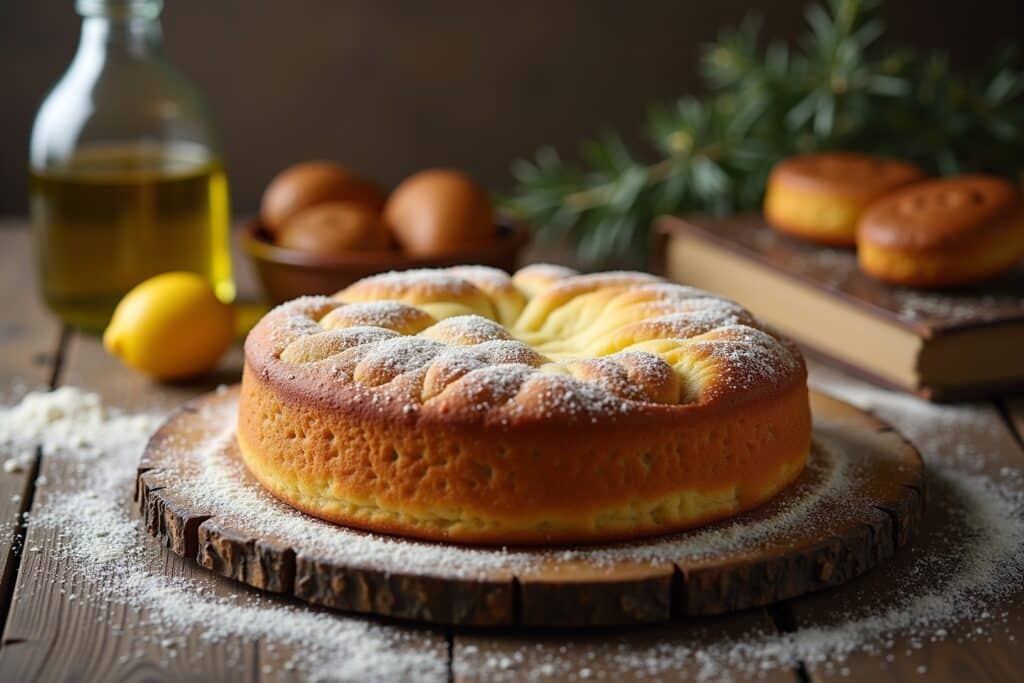
Unlock the secrets to consistently moist, tender, and flavorful baked goods by mastering the art of baking with oil. You’re likely familiar with butter’s role, but understanding how and when to substitute or utilize oil can elevate your baking from good to exceptional, offering a distinct texture and richness that many home bakers strive for.
These are the most popular Oil Baking Secrets products
Keine Produkte gefunden.The Fundamental Differences: Oil vs. Butter in Baking
The primary distinction between oil and butter in baking lies in their composition and how they interact with other ingredients. Butter, a solid fat at room temperature, is composed of about 80% fat and 20% water and milk solids. This water content contributes to steam during baking, aiding in leavening and creating a tender crumb. The milk solids also contribute to flavor and browning. Oil, on the other hand, is 100% fat and remains liquid at room temperature. This liquid state means oil coats flour particles more effectively, inhibiting gluten development and resulting in a denser, more tender, and moist texture compared to butter-based baked goods. The lack of water and milk solids in oil means less browning and a potentially different flavor profile, which can be a significant advantage or disadvantage depending on the desired outcome.
13 Secrets for Baking with Oil That Will Transform Your Recipes
1. Choose the Right Oil for Your Recipe
The type of oil you select is paramount to the success of your baked goods. Neutral-flavored oils like canola, vegetable, or grapeseed oil are excellent all-purpose choices that won’t impart an overpowering taste. For specific flavor profiles, consider olive oil in savory bakes or cornbread, coconut oil for a subtle tropical hint, or even avocado oil for its richness. Lighter oils tend to produce lighter textures, while richer oils can add a more decadent feel. Always consider the flavor you want to achieve and select an oil that complements the other ingredients.
2. Understand Oil’s Role in Moisture
Oil’s liquid state at room temperature is its superpower for moisture. Unlike butter, which can solidify and create pockets, oil evenly distributes throughout the batter, coating flour particles and preventing gluten from forming too aggressively. This process inhibits the drying out that can occur during baking, ensuring your cakes, muffins, and quick breads remain incredibly moist for days longer than their butter-based counterparts. This is particularly beneficial for recipes that need to be made ahead of time or are prone to becoming dry.
3. The Importance of Fat Content
When substituting oil for butter, you need to account for the fact that oil is 100% fat, whereas butter is not. A common guideline is to use about 3/4 of the amount of oil as butter called for in a recipe. For example, if a recipe requires 1 cup of butter, you would use approximately 3/4 cup of oil. This ratio helps maintain the correct fat balance in the batter, preventing overly greasy results and ensuring proper texture. Always start with this adjustment and then fine-tune based on the specific recipe and desired outcome.
4. Embracing Oil for Tender Crumb Structures
Oil is a champion for creating tender baked goods. Its ability to inhibit gluten development is key. Gluten, while essential for structure in bread, can lead to toughness in cakes and muffins if overdeveloped. By coating flour particles, oil restricts gluten formation, resulting in a delicate, melt-in-your-mouth texture that’s difficult to achieve with solid fats alone. This is why oil-based cakes are often praised for their velvety crumb.
5. Mastering the Mixing Technique
When incorporating oil into your batter, the mixing technique is crucial. Overmixing can still develop gluten, even with oil. Generally, you’ll want to mix wet and dry ingredients until just combined. For oil-based recipes, this often means adding the oil to the wet ingredients and then combining this mixture with the dry ingredients. Stir only until no dry streaks of flour remain. For some recipes, a light whisking of oil with the sugar before adding eggs can help emulsify and create a smoother batter, but avoid vigorous beating.
6. Flavor Infusion with Aromatic Oils
Beyond neutral oils, don’t shy away from exploring flavored varieties. Infusing oils with herbs like rosemary or thyme can add a sophisticated savory note to quick breads or focaccia. Citrus-infused oils are fantastic for lemon or orange cakes, enhancing the brightness of the fruit. Even a hint of a good quality extra virgin olive oil can elevate the depth of flavor in chocolate cakes or brownies, adding complexity without an overtly olive-like taste. Experimentation here can lead to unique and delicious results.
7. The Role of Oil in Dairy-Free Baking
For those navigating dairy-free or vegan baking, oil is an indispensable ingredient. It effectively replaces the fat and moisture typically provided by butter and eggs. Many vegan cake and muffin recipes rely heavily on oil to achieve the desired tender texture and richness. This makes oil a cornerstone for creating delicious treats that cater to specific dietary needs without compromising on taste or texture.
8. Balancing Oil with Other Fats
While you can often substitute oil for butter entirely, sometimes a combination yields the best of both worlds. For recipes where you desire some of butter’s flavor and browning capabilities, consider using a blend of oil and butter. For instance, you might use half butter and half oil. This approach can offer the tenderness and moisture from the oil, along with the characteristic taste and color from the butter, creating a more nuanced final product.
9. Temperature Considerations During Mixing
Unlike butter, which needs to be softened or melted, oil is already liquid. This simplifies the preparation process. However, the temperature of your other wet ingredients can still play a role. Using room-temperature eggs and liquids can help emulsify the batter more effectively, leading to a smoother texture. If your recipe calls for melting butter and then combining it with other ingredients, using oil at a similar temperature (lukewarm) can help maintain consistency in the mixing process.
10. Oil’s Impact on Browning and Crust
Because oil lacks the milk solids found in butter, it generally contributes less to browning. This means oil-based baked goods might appear lighter in color than their butter-based counterparts. If you desire a darker crust or more caramelization, you might need to adjust your baking time or temperature slightly, or incorporate ingredients that promote browning, such as brown sugar or molasses. For some recipes, this lighter hue is desirable, allowing the natural colors of other ingredients to shine through.
11. Troubleshooting Greasiness
One potential pitfall of baking with oil is the risk of a greasy final product. This often occurs when too much oil is used or when the batter is overmixed. Sticking to the recommended oil-to-butter substitution ratios (around 3/4 cup oil for every 1 cup butter) is a good starting point. Ensuring you accurately measure your oil and avoid overmixing the batter will help prevent greasiness. The right balance is key to achieving that desirable moistness without an oily mouthfeel.
12. The Sweet Spot for Oil in Cakes and Muffins
Oil truly shines in cake and muffin recipes. Its ability to create an incredibly tender and moist crumb makes it the preferred fat for many classic cake recipes, from simple vanilla to rich chocolate. For muffins and quick breads, oil ensures they stay fresh and soft for longer, making them perfect for breakfast or snacks. Experiment with different neutral oils in your favorite cake and muffin recipes to discover the subtle differences in texture and taste they can impart.
13. Exploring Oil in Savory Baking
Don’t limit your oil-based baking to sweets. Savory applications are equally rewarding. Olive oil is a natural fit for cornbread, focaccia, and rustic breads, adding a Mediterranean flair. It can also be used in savory muffins or scones, especially those featuring herbs or cheese. The inherent moisture and richness oil provides can prevent savory baked goods from becoming dry and crumbly, enhancing their overall enjoyment.
Baking with Oil: A Comparative Overview
| Attribute | Baking with Butter | Baking with Oil | Key Takeaway for You |
|---|---|---|---|
| Moisture Retention | Good, but can dry out faster | Excellent, stays moist for days | Choose oil for long-lasting moistness. |
| Texture | Tender, can be slightly flaky | Very tender, often described as velvety | Oil excels at creating a delicate crumb. |
| Flavor Profile | Buttery, rich, aids browning | Varies by oil type; neutral or specific notes | Select oil based on desired flavor contribution. |
| Gluten Development | Moderate | Inhibits gluten, leading to tenderness | Oil is ideal for recipes where toughness is a concern. |
| Browning | Promotes browning due to milk solids | Less browning, may require temperature adjustment | Be mindful of color if browning is critical. |
| Preparation | Requires softening or melting | Ready to use, liquid at room temperature | Oil offers greater convenience. |
These are the latest Oil Baking Secrets products with the best ratings.
Keine Produkte gefunden.FAQ – Frequently Asked Questions about 13 Secrets for Baking with Oil
Can I substitute oil for butter in any recipe?
While oil can often be substituted for butter, it’s not always a direct 1:1 swap, and the results can vary. As a general rule, use about 3/4 cup of oil for every 1 cup of butter. Consider the recipe’s intention; oil excels in cakes and muffins for moisture and tenderness, while butter might be preferred for flaky pastries where its solid structure at cooler temperatures is beneficial.
Does baking with oil make my baked goods taste oily?
Not necessarily. The key is to use a neutral-flavored oil like canola, vegetable, or grapeseed oil for general baking. If you use an oil with a strong flavor, like extra virgin olive oil, it will impart that flavor to your baked goods. Using the correct amount of oil is also crucial; too much can lead to greasiness.
How does oil affect the leavening of my baked goods?
Oil itself doesn’t directly leaven. However, its impact on gluten development can indirectly affect leavening. By inhibiting gluten formation, oil allows leavening agents like baking soda and baking powder to work more effectively, contributing to a lighter and more tender texture. The water content in butter also contributes to steam, which aids in leavening, so recipes relying solely on oil might require slightly more chemical leaveners.
Can I use coconut oil for baking?
Yes, you can use coconut oil. Refined coconut oil has a neutral flavor and can be substituted for other neutral oils in a 1:1 ratio. Unrefined coconut oil has a distinct coconut flavor, which can be a delicious addition to certain recipes, such as tropical cakes or cookies. Be mindful that coconut oil solidifies at cooler temperatures, which can affect batter consistency.
Why are my oil-based cakes sometimes denser than butter-based cakes?
This can happen if the oil is not properly emulsified with the other wet ingredients, or if the batter is overmixed. Oil coats flour particles, inhibiting gluten. However, if the emulsion breaks or the batter is agitated too much, it can lead to a denser outcome. Ensure your wet ingredients are at a similar temperature and mix only until just combined.
What is the best way to store baked goods made with oil?
Baked goods made with oil generally stay moist for longer due to the nature of the fat. Store them in an airtight container at room temperature. For most cakes, muffins, and quick breads, they can remain fresh for 3-4 days. If they contain perishable ingredients like cream cheese frosting, refrigeration is necessary.
How can I get a better crust on my oil-based cakes?
Since oil contributes less to browning than butter, you might aim for a slightly higher oven temperature for the initial part of baking or increase the baking time slightly if the cake is not browning enough. Incorporating ingredients like brown sugar or a touch of molasses can also enhance browning. Some bakers also brush the tops of cakes with a simple syrup or a light glaze after baking to improve their appearance.


