
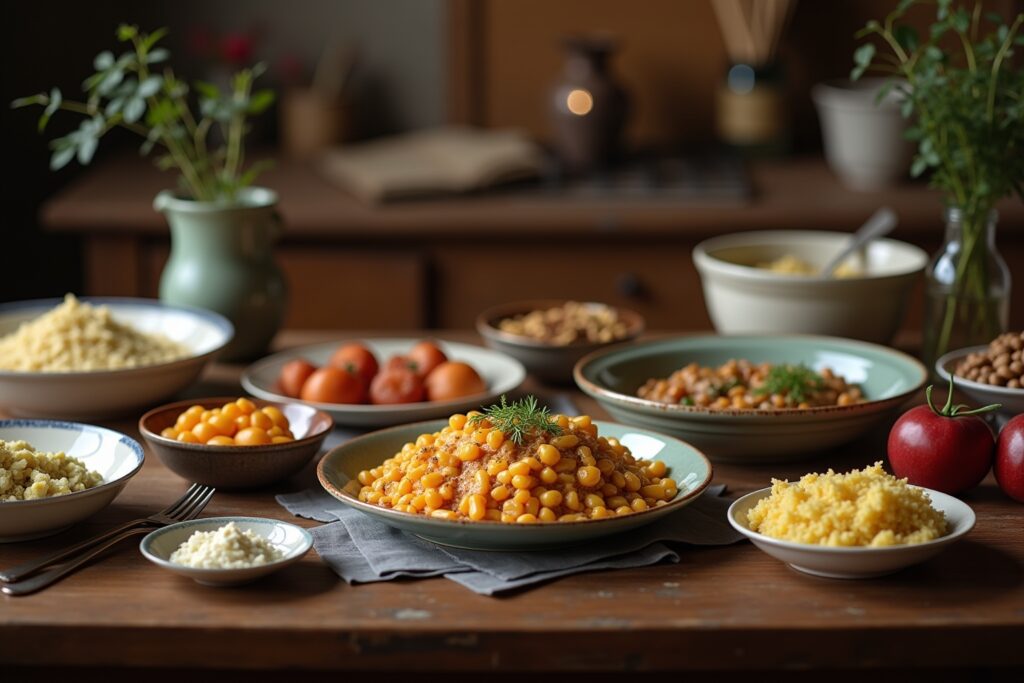
You’re seeking authentic, comforting flavors that stand the test of time, and you’ve landed on the perfect culinary destination. This collection delves into 17 Old Fashioned Recipes designed to evoke nostalgia and delight your palate with cherished tastes from the past.
These are the most popular Cocktail Recipes products
Keine Produkte gefunden.The Enduring Appeal of Old Fashioned Recipes
There’s a profound satisfaction derived from preparing and sharing dishes that have been enjoyed by generations. Old fashioned recipes, often characterized by their simplicity, reliance on wholesome ingredients, and comforting profiles, offer a tangible connection to culinary heritage. They represent a time when meals were often prepared from scratch, with an emphasis on flavor and communal enjoyment. These recipes are more than just instructions; they are a gateway to memories, family traditions, and a slower pace of life. Their enduring popularity stems from their ability to consistently deliver delicious, satisfying results without requiring overly complex techniques or exotic ingredients.
Exploring the Categories of Classic Comfort
To better understand the landscape of these beloved dishes, we can broadly categorize them based on their primary function or ingredient focus. This helps in appreciating the diversity within the “old fashioned” realm and in selecting the perfect recipe for any occasion.
| Recipe Category | Key Characteristics | Typical Ingredients | Occasion Suitability | Nostalgia Factor |
|---|---|---|---|---|
| Hearty Main Courses | Substantial, often slow-cooked, emphasizing savory flavors and filling textures. | Meats (beef, pork, chicken), root vegetables, grains, rich broths. | Family dinners, Sunday lunches, cold weather meals. | High – often linked to family gatherings and traditional meals. |
| Comforting Sides & Soups | Complementary dishes or standalone starters that provide warmth and depth. | Vegetables, legumes, potatoes, dairy, herbs. | Appetizers, side dishes for mains, light lunches. | High – often evoke childhood memories of simple, nourishing food. |
| Sweet Endings & Baked Goods | Desserts and baked items that are sweet, often spiced, and wonderfully aromatic. | Flour, sugar, butter, eggs, fruits, spices, chocolate. | Dessert, afternoon tea, special occasions, holiday baking. | Very High – strongly associated with celebrations and treats. |
| Preserves & Pickles | Food preservation techniques that capture seasonal flavors for later enjoyment. | Fruits, vegetables, sugar, vinegar, spices. | Accompaniments, pantry staples, gifts. | Medium to High – depends on individual family traditions of preserving. |
17 Old Fashioned Recipes to Savor
Embark on a culinary journey through these time-tested recipes, each offering a unique taste of the past. You’ll find a delightful mix of savory and sweet, perfect for rediscovering the joy of classic cooking.
1. Grandma’s Pot Roast
This is the quintessential Sunday dinner centerpiece. A generous cut of beef, slow-braised with root vegetables like carrots, potatoes, and onions in a rich, savory gravy. The magic lies in the long, slow cooking, which renders the meat incredibly tender and infuses the vegetables with deep flavor. It’s a dish that fills your home with an irresistible aroma and warms you from the inside out.
2. Classic Chicken Noodle Soup
More than just a remedy for a cold, this homemade chicken noodle soup is a hug in a bowl. Tender pieces of chicken, soft noodles, and an assortment of vegetables simmered in a flavorful chicken broth create a comforting and nourishing meal. The simplicity is key, allowing the natural flavors to shine.
3. Shepherd’s Pie
A comforting and hearty dish, Shepherd’s Pie typically features a savory lamb (or beef for Cottage Pie) mince filling, cooked with vegetables and topped with a fluffy layer of mashed potatoes, baked until golden brown. It’s a complete meal in one dish, perfect for a satisfying family dinner.
4. Beef Stew with Dumplings
Chunks of tender beef, slow-cooked with potatoes, carrots, peas, and onions in a rich, thick gravy. The crowning glory is the light, fluffy dumplings dropped onto the stew in the final stages of cooking, absorbing the delicious broth. This dish embodies rustic comfort food at its finest.
5. Apple Crumble
A simple yet profoundly satisfying dessert. Sliced apples, sweetened and spiced with cinnamon, are baked under a buttery, crumbly topping made from flour, sugar, and butter. Served warm, often with a dollop of cream or custard, it’s a taste of pure, unadulterated comfort.
6. Old Fashioned Meatloaf
A cornerstone of American home cooking, this meatloaf is made with a blend of ground beef, often mixed with pork or veal, bound together with breadcrumbs and eggs, and seasoned with onions, herbs, and a tangy ketchup glaze. Baked to perfection, it’s moist, flavorful, and a guaranteed crowd-pleaser.
7. Scalloped Potatoes
Thinly sliced potatoes layered with a creamy béchamel sauce and baked until tender and bubbling. Sometimes enriched with cheese, this side dish is deceptively simple but incredibly decadent. The creamy texture and savory flavor make it a perfect accompaniment to many main courses.
8. Biscuits and Gravy
A beloved breakfast staple, especially in the Southern United States. Fluffy, homemade biscuits are smothered in a rich, peppery sausage gravy. It’s a hearty, undeniably delicious start to the day that feels like a warm embrace.
9. Rhubarb Pie
The unique tartness of rhubarb, balanced with sugar and encased in a flaky pastry crust, makes for a wonderfully distinctive pie. Often flavored with hints of ginger or strawberry, it’s a delightful way to enjoy this seasonal fruit.
10. Pineapple Upside-Down Cake
A visually striking and delicious cake where pineapple rings are arranged in the bottom of the pan, topped with a rich caramel sauce and then the cake batter. When inverted after baking, the caramelized pineapple creates a beautiful and incredibly moist topping.
11. Cornbread
Whether sweet or savory, cornbread is a versatile classic. Made with cornmeal, it has a wonderfully crumbly texture and a slightly gritty, satisfying bite. It’s perfect served alongside chili, stews, or simply slathered with butter.
12. Chicken Pot Pie
Tender pieces of chicken and mixed vegetables (peas, carrots, potatoes, celery) in a creamy, savory sauce, all encased in a flaky, golden pastry crust. It’s a complete and utterly comforting meal that’s a favorite for a reason.
13. Oatmeal Raisin Cookies
These are not just any cookies. The combination of chewy oats, plump raisins, warm spices like cinnamon, and a hint of brown sugar creates a cookie that is both wholesome and incredibly satisfying. They are perfect for an afternoon snack with a glass of milk.
14. Pickled Beets
Sweet, tangy, and vibrantly colored, pickled beets are a delightful addition to any meal. The pickling process, typically involving vinegar, sugar, and spices, transforms the earthy flavor of beets into a bright and zesty condiment or side dish.
15. Sloppy Joes
A quick and easy ground beef mixture, simmered in a sweet and tangy tomato-based sauce, served on soft hamburger buns. It’s a messy, fun, and incredibly satisfying meal that’s a hit with kids and adults alike.
16. Peach Cobbler
Similar to apple crumble, but featuring juicy, ripe peaches. The sweet, tender fruit is baked with a biscuit-like topping or a simple batter, creating a rustic dessert that’s bursting with summery flavor. Serve warm with vanilla ice cream for ultimate indulgence.
17. Deviled Eggs
Hard-boiled eggs, halved, with their yolks mashed and mixed with mayonnaise, mustard, and various seasonings, then piped back into the egg white halves. They are a classic appetizer or potluck staple, always disappearing quickly due to their creamy, tangy, and savory appeal.
The Art of Preserving Classic Flavors
Many old fashioned recipes owe their longevity to the art of preservation. Techniques like pickling, canning, and jamming allowed families to enjoy the bounty of their harvests throughout the year. This not only reduced waste but also created staple pantry items that formed the basis of many everyday meals and special treats. Understanding these methods can deepen your appreciation for the resourcefulness and culinary wisdom of past generations.
Why These Recipes Endure
The enduring appeal of these old fashioned recipes lies in their inherent qualities. They are:
- Simple and Accessible: Often requiring common pantry staples and straightforward cooking methods, they are approachable for cooks of all skill levels.
- Comforting and Familiar: The flavors and aromas are deeply ingrained in our collective memory, evoking feelings of warmth, security, and home.
- Wholesome and Nourishing: Many recipes prioritize whole ingredients and balanced flavors, offering satisfying and often healthy meals.
- Versatile: They can be adapted to suit individual tastes and dietary needs, remaining relevant in modern kitchens.
- Connective: They serve as a bridge to family history and traditions, fostering a sense of connection and shared experience.
Elevating Your Old Fashioned Cooking
While the recipes themselves are foundational, you can elevate your old fashioned cooking experience by focusing on a few key principles:
- Quality Ingredients: Start with the best possible ingredients. Fresh produce, good quality meats, and flavorful spices will make a noticeable difference.
- Patience: Many old fashioned recipes benefit from slow cooking and allowing flavors to develop fully. Don’t rush the process.
- Seasoning: Taste and adjust seasoning throughout the cooking process. Salt, pepper, and herbs are your best friends in bringing out natural flavors.
- Presentation: Even simple dishes can be made more appealing with thoughtful presentation. A garnish of fresh herbs or a swirl of cream can go a long way.
- Sharing: The true spirit of old fashioned cooking is in sharing it with loved ones. The act of cooking for others and enjoying the meal together is as important as the food itself.
These are the latest Cocktail Recipes products with the best ratings.
Keine Produkte gefunden.FAQ – Frequently Asked Questions about 17 Old Fashioned Recipes to Savor
What makes a recipe “old fashioned”?
An “old fashioned” recipe typically refers to a dish or preparation method that has been passed down through generations. These recipes are often characterized by their simplicity, reliance on traditional cooking techniques, and the use of common, readily available ingredients. They evoke a sense of nostalgia and are rooted in culinary heritage.
Are old fashioned recipes always healthy?
While many old fashioned recipes use wholesome ingredients like vegetables, lean meats, and whole grains, some can be high in fat, sugar, or salt due to the cooking methods and ingredient choices of their time. However, they can often be adapted to be healthier by making substitutions, reducing fat content, or controlling sugar and salt levels.
Can I make these recipes ahead of time?
Many of these dishes, particularly stews, pot roasts, and baked goods like pies and cakes, can be made ahead of time. In fact, some flavors often improve after a day, allowing them to meld. Soups and stews are excellent candidates for preparing in advance, and baked goods can often be stored or frozen.
What are some common ingredients in old fashioned recipes?
Common ingredients include root vegetables (potatoes, carrots, onions), staple meats (beef, pork, chicken), basic grains (flour, oats, cornmeal), dairy products (butter, milk, cream), eggs, fruits (apples, peaches, berries), and common spices and seasonings (salt, pepper, cinnamon, nutmeg).
How can I adapt old fashioned recipes for modern dietary needs?
You can adapt these recipes by making substitutions. For example, use whole wheat flour instead of white flour, reduce the amount of sugar or use natural sweeteners, opt for leaner cuts of meat, or incorporate more vegetables. For gluten-free needs, use gluten-free flour blends or alternative grains. For dairy-free diets, use plant-based milk and butter alternatives.
Are there specific tools or equipment needed for these recipes?
Generally, old fashioned recipes rely on basic kitchen equipment such as pots, pans, baking sheets, mixing bowls, and measuring utensils. For specific dishes, a cast-iron skillet, a slow cooker, or a stand mixer can be beneficial but are often not strictly necessary as traditional methods existed before these tools were widespread.