
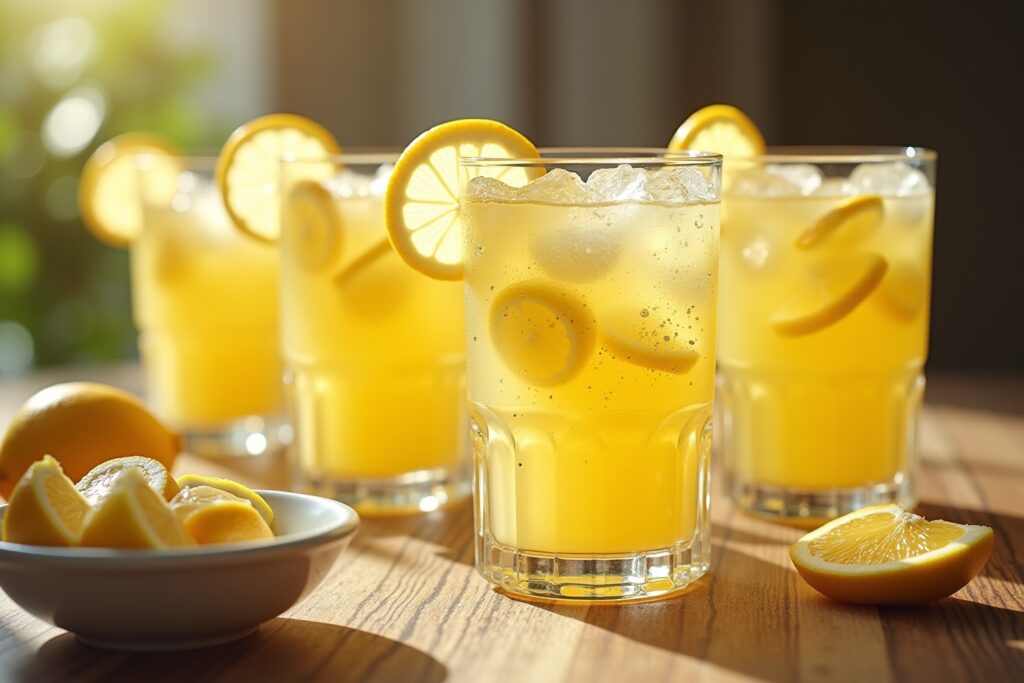
Unlock a world of refreshing and zesty flavors with these 14 essential lemon cocktail recipes. Whether you’re a seasoned mixologist or just looking to impress at your next gathering, mastering these versatile drinks will elevate your home bar game. From classic sour profiles to subtly sweet infusions, discover how lemon’s vibrant tang forms the backbone of countless beloved concoctions.
These are the most popular Lemon Cocktail Recipes products
Keine Produkte gefunden.The Enduring Appeal of Lemon in Cocktails
Lemon, with its bright acidity and aromatic zest, is a cornerstone ingredient in the cocktail world. Its ability to balance sweetness, cut through richness, and add a refreshing lift makes it indispensable. The diverse range of lemon cocktails showcases its adaptability, catering to a wide spectrum of palates and occasions. Understanding the fundamental role of lemon—providing acidity, balancing sugar, and enhancing other flavors—is key to appreciating the artistry behind these drinks.
Iconic Lemon Cocktails You Must Know
1. The Classic Lemon Drop Martini
The Lemon Drop Martini is a modern classic celebrated for its perfect balance of sweet and tart. It’s a sophisticated yet approachable cocktail that highlights the pure essence of lemon. You’ll need vodka, fresh lemon juice, simple syrup, and often a touch of triple sec or Cointreau for added citrus complexity. The rim of the glass is typically coated in sugar, enhancing the sweet and sour experience with every sip. Its popularity stems from its clean profile and the satisfying pucker it delivers.
2. The Timeless Tom Collins
A true pub staple, the Tom Collins is a refreshing gin-based highball. Its foundation is a simple syrup, gin, fresh lemon juice, and soda water. The effervescence of the soda water combined with the tartness of the lemon and the botanical notes of the gin creates an incredibly invigorating drink. It’s often garnished with a lemon wheel and a maraschino cherry, adding a touch of visual appeal and a hint of fruity sweetness.
3. The Elegant French 75
Named after a French artillery piece, the French 75 is a celebratory cocktail that combines gin (or sometimes cognac), fresh lemon juice, simple syrup, and Champagne. The dry bubbles of the Champagne cut through the acidity of the lemon and the spirit, creating a sophisticated and celebratory drink. It’s a perfect choice for special occasions or when you want to add a touch of luxury to your evening.
4. The Bold Whiskey Sour
The Whiskey Sour is a testament to the power of balance. This classic cocktail features whiskey (typically bourbon), fresh lemon juice, and simple syrup. The optional addition of egg white creates a luscious, foamy texture that softens the sharp edges of the lemon and whiskey. The key is the interplay between the spirit’s depth, the lemon’s brightness, and the syrup’s sweetness. A dash of Angostura bitters can further enhance the complexity.
5. The Refreshing Gin Fizz
Similar to the Tom Collins, the Gin Fizz also uses gin, lemon juice, and simple syrup, but it’s distinguished by the inclusion of egg white and a vigorous shake, followed by a topping of soda water. This process creates a wonderfully frothy and light cocktail. The lemon juice provides the essential tartness that brightens the gin and makes the drink incredibly thirst-quenching. It’s a delicate balance of citrus, spirit, and air.
6. The Southern Charm of a Lynchburg Lemonade
While not traditionally a lemonade, this cocktail earns its name from the liberal use of lemon. The Lynchburg Lemonade typically features Jack Daniel’s Tennessee Whiskey, triple sec, sour mix (a combination of lemon and lime juice with sugar), and lemon-lime soda. It’s a sweeter, more approachable option that still delivers a satisfying citrus punch, making it a popular choice for casual gatherings.
7. The Tropical Delight: Painkiller
While its primary flavor profile is often associated with pineapple and orange, the Painkiller, originally from the British Virgin Islands, often incorporates a hint of lemon juice for balance. The classic recipe includes dark rum, pineapple juice, cream of coconut, and orange juice, garnished with grated nutmeg. A touch of lemon helps to cut through the sweetness and richness, making it more complex and refreshing.
8. The Simple yet Satisfying Vodka Soda with Lemon
Sometimes, the most profound flavors come from the simplest combinations. A Vodka Soda with Lemon is the epitome of this. High-quality vodka, sparkling water, and a generous squeeze of fresh lemon juice. The lemon is crucial here, transforming a plain vodka soda into a crisp, revitalizing drink. It’s a low-calorie option that still offers a bright, citrusy finish.
9. The Zesty Gimlet
The Gimlet is a straightforward yet elegant cocktail traditionally made with gin and lime cordial. However, a modern and equally delicious variation uses fresh lime juice and simple syrup, or in a lemon-forward twist, fresh lemon juice and simple syrup. The sharp, clean taste of the citrus, balanced by the sweetness, makes it a potent and refreshing drink. You can also opt for a vodka base for a milder profile.
10. The Sophisticated Aviation
The Aviation is a visually stunning and complex cocktail that relies on maraschino liqueur, creme de violette, and fresh lemon juice, usually with gin as the base spirit. The lemon juice is essential for providing the bright acidity that balances the floral and cherry notes of the liqueurs, resulting in a truly unique and sophisticated drink with a beautiful pale violet hue.
11. The Fiery Sidecar
A classic from the Prohibition era, the Sidecar is a sophisticated blend of cognac, Cointreau (or other orange liqueur), and fresh lemon juice. The tartness of the lemon juice is vital in cutting through the richness of the cognac and the sweetness of the orange liqueur. It’s often served in a sugar-rimmed glass, echoing the sweet and sour profile of the Lemon Drop Martini, but with a deeper, spirit-forward character.
12. The Refreshing Bee’s Knees
The Bee’s Knees is a delightful gin cocktail that emerged during Prohibition, supposedly to disguise the taste of bathtub gin. It features gin, fresh lemon juice, and honey syrup (honey mixed with water). The lemon juice is key to balancing the sweetness of the honey, creating a wonderfully smooth and flavorful drink with a distinctly floral aroma and taste. The citrus brightens the gin and honey beautifully.
13. The Robust Old Fashioned (with a Lemon Twist)
While the traditional Old Fashioned uses whiskey, sugar, bitters, and a cherry, a common and delightful variation involves a lemon twist. The expressed oils from the lemon peel are muddled or dropped into the drink, adding a fragrant citrus aroma and a subtle zest that complements the whiskey’s robust flavors. This small addition can significantly elevate the complexity and refreshment of this timeless cocktail.
14. The Invigorating Mint Julep (with a Lemon Accent)
Typically known for its bourbon and mint profile, a subtle but effective twist on the Mint Julep can include a splash of fresh lemon juice. The acidity of the lemon provides an extra layer of brightness that cuts through the sweetness of the simple syrup and enhances the refreshing quality of the muddled mint. It adds a zesty counterpoint to the otherwise rich and cooling character of the drink, making it even more invigorating on a warm day.
Cocktail Creation: The Art of Balancing Lemon
Crafting a perfect lemon cocktail is an exercise in balance. The primary role of lemon juice is to provide acidity, which is crucial for cutting through sweetness and richness. This tartness awakens the palate and makes a drink more refreshing. When creating or adjusting a lemon cocktail recipe, consider the following:
- Sweetness Level: Lemon’s sourness needs to be balanced by a sweetener, typically simple syrup or honey syrup. The ratio will depend on your preference and the sweetness of other ingredients.
- Spirit Choice: Different spirits interact uniquely with lemon. Gin’s botanicals complement lemon’s brightness, while whiskey’s depth can be softened by lemon’s acidity. Vodka offers a neutral base, allowing the lemon to shine.
- Other Citrus: Combining lemon with lime or orange can create more complex citrus profiles. However, ensure the lemon remains a prominent flavor where intended.
- Garnish: A lemon twist expresses aromatic oils that enhance the drink’s scent and flavor. A lemon wheel or wedge offers a visual cue and an option for added tartness.
A Categorical Overview of Lemon Cocktails
| Cocktail Category | Primary Spirit | Key Lemon Element | Typical Flavor Profile | Occasion Suitability |
|---|---|---|---|---|
| Sour/Martini Style | Vodka, Gin, Whiskey | Fresh Lemon Juice | Tart, Sweet, Spirit-Forward | Appetizer, Evening Enjoyment |
| Highball/Refreshing | Gin, Whiskey, Vodka | Fresh Lemon Juice, Lemon Soda | Light, Bubbly, Citrusy | Daytime, Social Gatherings |
| Celebratory/Sparkling | Gin, Cognac | Fresh Lemon Juice | Bubbly, Bright, Sophisticated | Special Events, Toasts |
| Sweet & Tropical | Rum, Whiskey | Lemon Juice (often in sour mix) | Fruity, Sweet, Tangy | Casual Parties, Summer |
| Spirit-Forward with Citrus Accent | Whiskey, Cognac | Lemon Twist, Lemon Zest | Rich, Complex, Aromatic | After Dinner, Refined Settings |
These are the latest Lemon Cocktail Recipes products with the best ratings.
Keine Produkte gefunden.FAQ – Frequently Asked Questions about 14 Lemon Cocktail Recipes
What is the best type of lemon to use for cocktails?
For the freshest and most vibrant flavor, always opt for freshly squeezed lemon juice. Meyer lemons offer a slightly sweeter, less acidic profile with floral notes, while standard Eureka or Lisbon lemons provide the classic tartness essential for most cocktails. Using bottled lemon juice will significantly diminish the quality and brightness of your drink.
How can I make simple syrup for cocktails?
Simple syrup is made by dissolving sugar in water. The most common ratio is 1:1 (equal parts sugar and water). Combine the sugar and water in a saucepan and heat gently, stirring until the sugar is completely dissolved. Do not boil. Let it cool before using. For a richer syrup, you can use a 2:1 sugar-to-water ratio, which will be sweeter and thicker.
Can I substitute lime juice for lemon juice in these recipes?
While lime and lemon are both citrus fruits and share some similarities, they have distinct flavor profiles. Lime juice is generally tarter and more pungent, while lemon juice is brighter and has a slightly sweeter undertone. You can substitute, but be aware that it will alter the intended flavor of the cocktail. Adjust sweetness accordingly, as lime’s acidity may require more sweetener.
What does it mean to “muddle” ingredients in a cocktail?
Muddling involves gently pressing ingredients, typically herbs or fruit, at the bottom of a cocktail shaker or mixing glass to release their oils, juices, and aromas. Use a muddler tool and apply gentle pressure to avoid bruising delicate ingredients like mint, which can release bitter compounds. For citrus peels, muddling expresses the fragrant essential oils.
How do I achieve a foamy texture in cocktails like the Whiskey Sour or Gin Fizz?
The foamy texture in these cocktails is achieved by using egg whites. When shaken vigorously with ice, the egg whites emulsify and create a stable foam. For a vegan alternative, aquafaba (the liquid from a can of chickpeas) can be used with similar results. Ensure your egg whites are fresh and that you shake very well to incorporate air effectively.
What is the significance of garnishing a lemon cocktail?
Garnishes serve both an aesthetic and a functional purpose. A lemon twist, for instance, expresses aromatic oils that contribute significantly to the cocktail’s aroma and flavor profile. A lemon wheel or wedge not only adds visual appeal but also provides an opportunity for the drinker to add more citrus to their drink if desired, adjusting the tartness to their preference. The garnish is an integral part of the overall sensory experience of the cocktail.
Are there low-alcohol or non-alcoholic versions of these lemon cocktails?
Many of these lemon cocktails can be easily adapted into lower-alcohol or non-alcoholic versions. For lower-alcohol options, you can reduce the amount of the primary spirit and increase the amount of non-alcoholic mixers like soda water, tonic, or non-alcoholic spirits. For completely non-alcoholic versions, replace the spirit with a high-quality non-alcoholic spirit alternative or simply increase the proportions of fresh citrus juice, syrup, and carbonated water. The core lemon and sweet balance remains key.


