
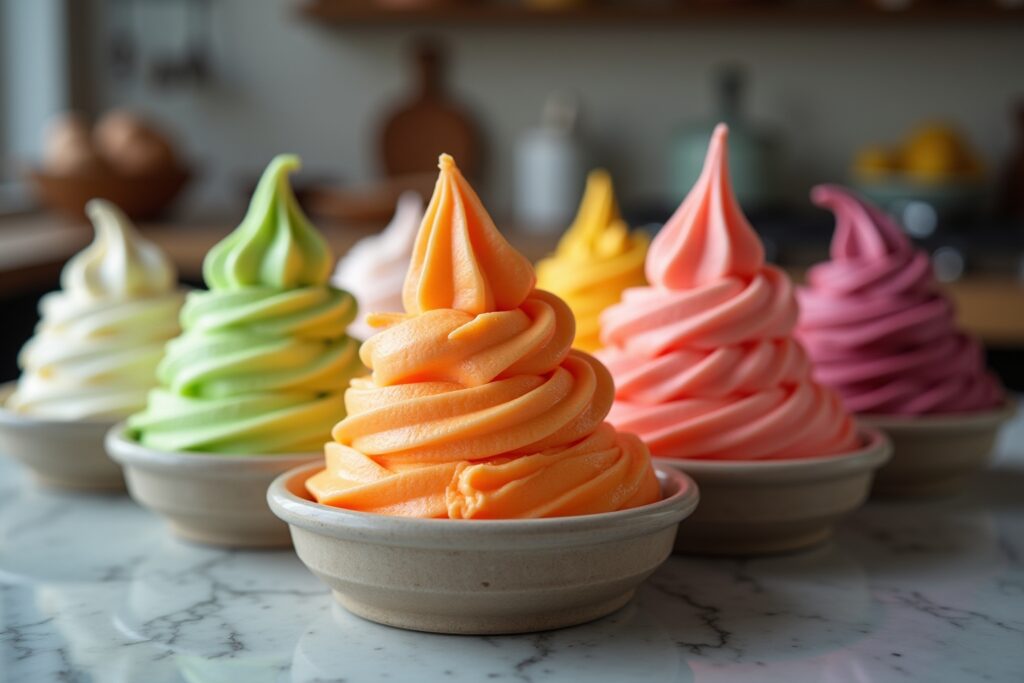
Unlock the secrets to creating authentic Italian gelato at home with our curated collection of 17 amazing gelato recipes. You’ll discover how to achieve that signature dense, smooth, and intensely flavorful texture, transforming your kitchen into a personal artisanal gelateria.
These are the most popular Gelato Recipes products
Keine Produkte gefunden.The Art of Gelato Making: Understanding the Core Principles
Gelato, the beloved Italian frozen dessert, distinguishes itself from ice cream through a unique production process and ingredient ratio that results in a richer, more intense flavor experience. Understanding these fundamental differences is key to mastering gelato at home. Unlike ice cream, which typically contains a higher proportion of cream and is churned at a faster speed, gelato uses more milk than cream. This lower fat content allows the true flavors of the ingredients to shine through more prominently. Furthermore, gelato is churned at a slower speed, incorporating less air (overrun) than ice cream. This slower churning process results in a denser, more viscous texture that melts more slowly on the palate, releasing its complex flavor notes with each spoonful. The serving temperature is also crucial; gelato is typically served slightly warmer than ice cream, further enhancing its velvety mouthfeel and flavor intensity.
Essential Equipment for Perfect Gelato
To achieve truly exceptional gelato, a few key pieces of equipment will elevate your results significantly. While a basic ice cream maker can be a starting point, investing in a quality ice cream maker with a built-in compressor is highly recommended. These machines bring the mixture down to the optimal freezing temperature without the need for pre-freezing a bowl, allowing for more spontaneous gelato creation and consistent results. A good quality thermometer is indispensable for accurately measuring the temperature of your base mixture during the cooking process, ensuring proper emulsification and pasteurization. Fine-mesh sieves are crucial for straining ingredients, ensuring a silky-smooth texture free from any impurities. Furthermore, a sturdy whisk and heat-resistant spatulas are essential for smoothly combining ingredients and tempering eggs, if your chosen recipe requires it. For optimal storage and serving, consider investing in shallow, airtight containers that allow the gelato to freeze evenly and prevent ice crystal formation.
Classic Gelato Flavors You Can Master
Embarking on your gelato journey begins with mastering the classics. These foundational flavors not only delight the palate but also teach you the core techniques of gelato creation. Each recipe, while seemingly simple, offers a nuanced exploration of flavor development and texture control.
- Vanilla Bean Gelato: The quintessential gelato flavor. The secret to an exceptional vanilla gelato lies in using high-quality vanilla beans, scraping both the seeds and infusing the pod directly into the milk and cream mixture. This method extracts the full spectrum of vanilla’s aromatic compounds, resulting in a deep, complex, and intoxicatingly fragrant dessert.
- Chocolate Gelato: For true chocolate aficionados, a rich, dark chocolate gelato is a must. The key here is selecting a premium dark chocolate with a high cocoa percentage (70% or higher). Melting the chocolate gently and incorporating it into the base ensures a smooth, intense chocolate flavor without any graininess. Experimenting with different types of cocoa powder alongside melted chocolate can add further depth and complexity.
- Strawberry Gelato: The vibrant essence of fresh strawberries is at the heart of this beloved flavor. Using ripe, in-season strawberries is paramount. Pureeing the strawberries and incorporating them into the base, often with a touch of lemon juice to brighten the fruit’s natural sweetness, creates a refreshing and intensely fruity experience. Some recipes call for cooking the strawberries slightly to concentrate their flavor.
- Lemon Gelato (Sorbetto-style Gelato): While technically often closer to a sorbet, a creamy lemon gelato is incredibly refreshing. The tartness of fresh lemon juice and zest is balanced with sweetness, creating a zesty and invigorating treat. The key is achieving the right balance between acidity and sweetness to prevent it from being overwhelmingly sour.
- Pistachio Gelato: The unmistakable nutty aroma and flavor of pistachios are captured in this exquisite gelato. High-quality, unsalted pistachios, often lightly toasted and then ground into a paste, form the base. The color is naturally a beautiful pale green, but beware of artificially colored versions.
Innovative Gelato Creations to Explore
Once you’ve mastered the foundational flavors, it’s time to get creative. These recipes push the boundaries, incorporating unique ingredients and flavor combinations for an unforgettable gelato experience.
- Salted Caramel Gelato: The irresistible combination of sweet and salty is perfectly encapsulated in this decadent flavor. Making a homemade caramel sauce, allowing it to darken to a rich amber, and then adding a touch of sea salt before incorporating it into the gelato base creates a complex and addictive profile.
- Hazelnut Praline Gelato: Similar to pistachio, this recipe highlights the rich, roasted flavor of hazelnuts. Toasted hazelnuts are often blended into a paste, and sometimes a crunchy praline made from caramelized hazelnuts and sugar is incorporated for added texture and sweetness.
- Coffee Gelato: For coffee lovers, this is a dream come true. Using freshly brewed espresso or high-quality instant coffee granules infused directly into the base delivers a bold, robust coffee flavor. The bitterness of the coffee is beautifully balanced by the creamy sweetness of the gelato.
- Dark Chocolate Orange Gelato: A sophisticated pairing of rich dark chocolate and bright citrus. The zest of fresh oranges, combined with premium dark chocolate, creates a harmonious blend of deep, slightly bitter, and refreshingly zesty notes.
- Mint Chocolate Chip Gelato: A refreshing classic with a cool minty base studded with generous chunks of dark chocolate. Using fresh mint leaves, steeped in the milk mixture, provides a more natural and vibrant mint flavor than artificial extracts.
- Mango Lassi Gelato: Inspired by the popular Indian yogurt-based drink, this gelato offers a tropical twist. Ripe mangoes are pureed and combined with yogurt and a hint of cardamom for an exotic and creamy delight.
- Black Sesame Gelato: A unique and visually striking flavor originating from East Asian cuisine. Toasted black sesame seeds are ground into a paste, imparting a deep, nutty, and slightly earthy flavor with a distinctive grey hue.
- Lavender Honey Gelato: A subtly floral and sweet combination. Infusing culinary-grade lavender buds into the milk mixture and sweetening with high-quality honey creates an elegant and aromatic gelato. It’s crucial to use lavender sparingly to avoid an overpowering floral taste.
- Raspberry Rose Gelato: A delicate and romantic flavor profile. The tartness of fresh raspberries is complemented by the subtle floral notes of rosewater. The visual appeal is also enhanced by the vibrant pink of the raspberries.
- Mascarpone Fig Gelato: The creamy richness of mascarpone cheese pairs wonderfully with the natural sweetness and unique texture of fresh figs. This recipe offers a sophisticated and subtly sweet dessert, perfect for those who appreciate nuanced flavors.
- Earl Grey Tea Gelato: Infusing high-quality Earl Grey tea leaves into the milk and cream base yields a wonderfully aromatic and subtly bergamot-flavored gelato. The distinct citrusy notes of bergamot complement the creamy base beautifully.
- Spiced Pear Gelato: A warming and comforting flavor, especially perfect for cooler months. Ripe pears are cooked down with warming spices like cinnamon, nutmeg, and a touch of ginger before being incorporated into the gelato base.
Gelato Recipe Categories at a Glance
| Category | Key Characteristics | Typical Flavor Profile | Ingredient Focus |
|---|---|---|---|
| Classic Fruit | Intense fruit flavor, refreshing, vibrant color | Bright, sweet, and often tart | Fresh, ripe fruits (strawberries, lemons, mangoes) |
| Rich & Indulgent | Deep, complex flavors, velvety smooth texture | Sweet, often with notes of chocolate, caramel, or nuts | Premium chocolate, nuts, caramel, dairy-rich bases |
| Aromatic & Floral | Subtle, nuanced flavors, often with botanical notes | Delicate, perfumed, and unique | Herbs, spices, teas, edible flowers |
| Unique & Exotic | Unconventional ingredients, adventurous flavor combinations | Earthy, nutty, savory, or spicy undertones | Black sesame, spices, yogurt, unique fruits |
Tips for Gelato Success
Achieving perfect gelato at home is a rewarding endeavor. By adhering to a few key principles and paying attention to detail, you can consistently create delicious and authentic results. One of the most critical steps is proper chilling. After preparing your gelato base, it must be thoroughly chilled in the refrigerator for at least 4-8 hours, or preferably overnight. This allows the flavors to meld and mature, and more importantly, it ensures the base is cold enough to freeze properly in your machine, leading to a smoother texture and minimizing the formation of ice crystals. When churning, avoid overfilling your ice cream maker. The mixture will expand as it freezes and incorporates air, so leave adequate space for expansion. For recipes that require tempering eggs, a careful and gradual process is essential to prevent the eggs from scrambling. Always temper the egg yolks by slowly whisking a small amount of the hot milk mixture into them before adding the tempered yolks back into the main pot of milk. Furthermore, the quality of your ingredients plays a monumental role in the final flavor of your gelato. Using fresh, ripe fruits, high-quality dairy, and premium flavorings will yield a vastly superior product. For chocolate and nut-based gelatos, investing in the best chocolate and nuts you can find will make a noticeable difference. Don’t be afraid to experiment with different flavor combinations once you’re comfortable with the basic techniques. Consider adding swirls of jam, melted chocolate, or chopped nuts during the final stages of churning for added texture and visual appeal. Finally, for optimal storage, ensure your gelato is transferred to an airtight container immediately after churning and placed in the coldest part of your freezer. Pressing a piece of parchment paper directly onto the surface of the gelato before sealing the container can help prevent ice crystals from forming on the surface.
Troubleshooting Common Gelato Issues
Even with the best intentions, you might encounter a few common challenges when making gelato. Understanding these potential pitfalls and their solutions will help you achieve consistently excellent results.
- Gelato is too icy: This is often due to too much water in the base, insufficient fat content, or improper freezing. Ensure your base is well-chilled before churning. Avoid over-churning, which can incorporate too much air. Serve gelato at the correct temperature – slightly warmer than ice cream.
- Gelato is too hard: This can happen if the sugar content is too low, or if the gelato has been in the freezer for too long without proper storage. Sugar acts as an antifreeze, so a proper sugar balance is crucial. Ensure your storage containers are airtight to prevent freezer burn.
- Gelato lacks flavor intensity: This is almost always an ingredient quality issue. Use the freshest, ripest fruits and the highest quality flavorings. Don’t be shy with extracts, zests, or purees, but always taste and adjust.
- Gelato is grainy: This can be caused by undissolved sugar or small ice crystals. Ensure all sugar is completely dissolved in the base, and strain the base through a fine-mesh sieve before churning. Gentle cooking of the base can also help ensure a smooth texture.
- Gelato is too soft: If your gelato is melting too quickly, it might be due to too much sugar or alcohol in the base, or insufficient churning time. Alcohol lowers the freezing point, making it melt faster. Ensure you are churning until the gelato reaches a soft-serve consistency.
These are the latest Gelato Recipes products with the best ratings.
Keine Produkte gefunden.FAQ – Frequently Asked Questions about 17 Amazing Gelato Recipes
What is the primary difference between gelato and ice cream?
The main distinctions lie in their fat content, air incorporation, and serving temperature. Gelato typically uses more milk than cream, resulting in a lower fat content, and is churned at a slower speed, incorporating less air. This leads to a denser, more intensely flavored dessert that is served at a slightly warmer temperature than ice cream.
Do I need a special machine to make gelato?
While a specialized gelato maker (especially one with a compressor) will yield the best results due to its ability to reach and maintain colder temperatures, you can also make gelato using a standard ice cream maker. Ensure your ice cream maker’s bowl is thoroughly frozen if it’s not a compressor model. The key is chilling your base thoroughly before churning.
How long does it take to make gelato from start to finish?
The process involves preparing the base, chilling it (which can take several hours to overnight), churning (typically 20-40 minutes depending on the machine), and then ripening or hardening the gelato in the freezer for at least a few hours before serving. So, while active preparation might be a few hours, the entire process spans over a day.
Can I make dairy-free or vegan gelato?
Absolutely! Many of these recipes can be adapted for vegan versions by using non-dairy milks (such as almond, coconut, or soy) and non-dairy creams or coconut cream. For fruit-based sorbetto-style gelatos, they are often naturally vegan. Ensure you use a good quality plant-based fat source to achieve a creamy texture.
What is the best way to store homemade gelato?
Store your gelato in an airtight container in the coldest part of your freezer. For optimal results and to prevent ice crystal formation, press a piece of parchment paper or plastic wrap directly onto the surface of the gelato before sealing the lid. Consume within 1-2 weeks for the best flavor and texture.
Why is my gelato grainy?
A grainy texture in gelato is usually caused by the presence of ice crystals. This can happen if the base was not thoroughly chilled before churning, if the sugar content is too low (sugar acts as an antifreeze), or if the gelato was not stored properly and has been subjected to temperature fluctuations. Ensuring all sugar is dissolved and straining the base are crucial steps to avoid this.
How can I make my gelato more intensely flavored?
The intensity of flavor in gelato is paramount. Always use the highest quality ingredients you can find – ripe fruits, premium chocolate, high-quality nuts, and pure flavorings. Don’t be afraid to experiment with steeping ingredients like vanilla beans, tea leaves, or spices directly into the milk and cream base. For fruit gelatos, consider slightly cooking down the fruit to concentrate its natural sugars and flavors before pureeing.


