
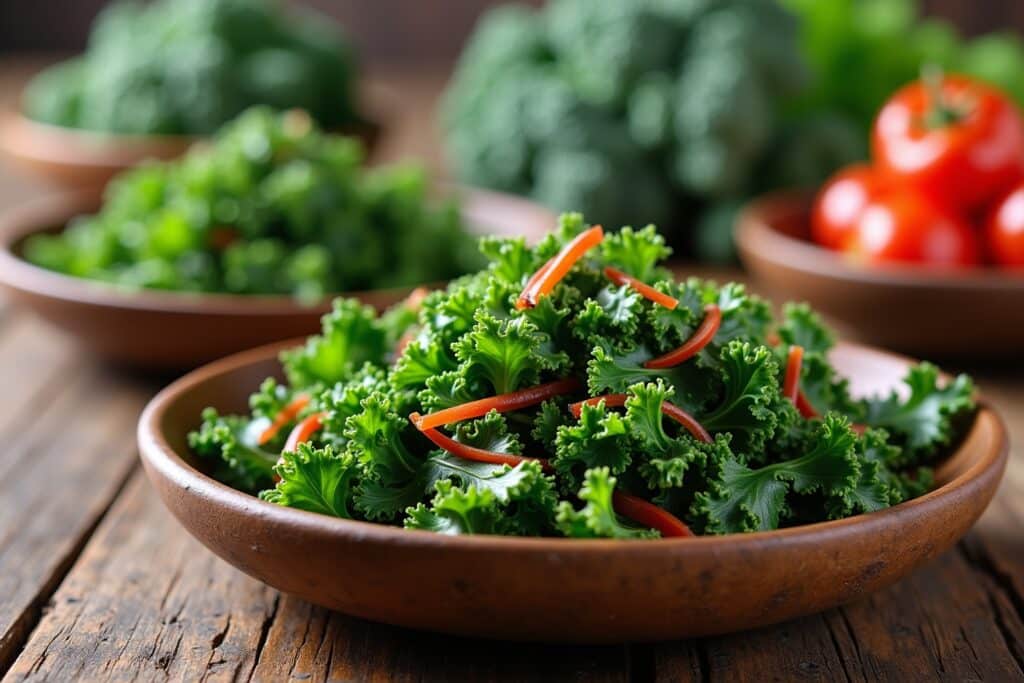
Are you looking to elevate your diet with nutrient-dense powerhouses, specifically incorporating the versatile kale? Discovering diverse and delicious ways to prepare this leafy green is key to unlocking its full health benefits and enjoying it regularly.
These are the most popular Kale recipes products
Keine Produkte gefunden.Unveiling the Power of Kale: More Than Just a Superfood
Kale, a member of the Brassica oleracea family, is renowned for its exceptional nutritional profile. It’s packed with vitamins A, C, and K, along with antioxidants like beta-carotene and flavonoids. This makes it a formidable ally in supporting immune function, promoting skin health, and contributing to bone strength. Beyond its vitamin and mineral content, kale is a good source of fiber, which aids digestion and promotes satiety. Its low calorie count further solidifies its status as a cornerstone for healthy eating. The variety of kale types, from curly to lacinato (dino kale), each offers a slightly different texture and flavor, allowing for broad culinary application.
Your Guide to 14 Delicious and Healthy Kale Recipes
Embarking on a journey to incorporate more kale into your meals can be an exciting culinary adventure. Whether you’re a seasoned cook or just beginning to explore plant-based eating, these recipes offer accessible and flavorful options. We’ve curated a selection that showcases kale’s adaptability, from vibrant salads and hearty soups to satisfying main courses and even creative smoothie additions. Each recipe is designed to be both nutritious and appealing, proving that healthy eating can be both simple and incredibly tasty.
Kale in the Culinary Landscape: A Versatile Green
Kale’s journey from humble garden staple to global health icon is a testament to its adaptability. Its slightly bitter, earthy flavor pairs wonderfully with a wide range of ingredients, from sweet fruits to savory spices. The texture of kale also plays a significant role in its versatility. While some enjoy its crispness in salads, others prefer it softened through cooking in stews or sautéed dishes. The way kale is prepared can significantly alter its taste and texture, making it a dynamic ingredient for any meal plan. Understanding these nuances allows you to tailor kale preparations to your personal preferences and the specific requirements of each dish.
Featured Healthy Kale Recipe Categories
| Recipe Type | Key Ingredients & Preparation Focus | Nutritional Highlights | Best For |
|---|---|---|---|
| Salads & Bowls | Massaged kale, citrus dressings, crunchy nuts/seeds, lean proteins, diverse vegetables. | High in fiber, vitamins (A, C, K), antioxidants. Supports digestive health. | Light lunches, refreshing dinners, meal prep. |
| Soups & Stews | Simmered kale, broth-based, legumes, root vegetables, aromatic herbs. | Rich in minerals (iron, calcium), fiber, warming and comforting. | Hearty meals, cooler weather, digestive comfort. |
| Sautéed & Stir-Fried | Quickly cooked kale with garlic, ginger, soy sauce/tamari, other vegetables, lean protein. | Retains more vitamins due to minimal cooking time. Good source of iron and calcium. | Quick side dishes, vibrant additions to grain bowls. |
| Smoothies & Juices | Blended kale with fruits, other greens, liquids (water, milk, yogurt), seeds. | Excellent for rapid nutrient absorption, refreshing way to consume raw kale. | Breakfast on-the-go, post-workout recovery. |
The Essential 14: Your Kale Recipe Collection
1. Massaged Kale Salad with Lemon-Tahini Dressing
This is a foundational recipe for enjoying raw kale. By massaging the kale leaves with lemon juice and olive oil, you break down the tough fibers, making them tender and less bitter. Combine with chopped bell peppers, cucumber, cherry tomatoes, and a sprinkle of toasted sunflower seeds. The lemon-tahini dressing provides healthy fats and a creamy texture, making it incredibly satisfying.
2. Hearty Lentil and Kale Soup
A truly comforting and nutritious soup. Sauté onions, carrots, and celery, then add vegetable broth, brown or green lentils, and chopped kale. Simmer until the lentils are tender and the kale is wilted. Season with thyme, rosemary, and a bay leaf for depth of flavor. This soup is a powerhouse of fiber, protein, and essential minerals like iron.
3. Creamy Tuscan Kale Pasta
Elevate your pasta night with this rich and flavorful dish. Sauté garlic and shallots, then add chopped kale and heavy cream (or a plant-based alternative like cashew cream). Simmer until the kale is tender and the sauce has thickened. Toss with your favorite pasta, sun-dried tomatoes, and a pinch of red pepper flakes. This recipe offers a decadent yet nutrient-rich meal.
4. Simple Sautéed Kale with Garlic and Chili Flakes
For a quick and easy side dish, this recipe is unbeatable. Heat olive oil in a pan, add minced garlic and chili flakes, and sauté until fragrant. Add chopped kale and stir-fry for just a few minutes until wilted and tender-crisp. A squeeze of fresh lemon juice at the end brightens the flavor. This method preserves much of kale’s nutritional integrity.
5. Kale and Sweet Potato Hash
A perfect brunch or breakfast option, this hash is both filling and flavorful. Dice sweet potatoes and roast them until tender. In a separate pan, sauté chopped kale with red onion and a touch of smoked paprika. Combine the roasted sweet potatoes with the sautéed kale and serve with a poached egg on top for added protein. This dish is a fantastic source of complex carbohydrates and vitamins A and C.
6. Green Power Smoothie with Kale and Banana
Kickstart your day with this energizing smoothie. Blend a handful of fresh kale with a ripe banana, a cup of almond milk (or other liquid base), a tablespoon of chia seeds, and a squeeze of honey or maple syrup for sweetness. This is an excellent way to consume raw kale, as the fruits mask its strong flavor, and the blender breaks down the fibers for easy digestion.
7. Kale and Black Bean Burgers
A vegetarian and vegan-friendly option that’s incredibly satisfying. Mash cooked black beans with finely chopped kale, breadcrumbs, spices (cumin, chili powder), and a binder like flax egg. Form into patties and pan-fry or bake until golden brown. Serve on whole-wheat buns with your favorite toppings. These burgers are a great source of protein and fiber.
8. Baked Kale Chips
A healthier alternative to potato chips, these kale chips are addictive. Wash and thoroughly dry kale leaves, then tear them into bite-sized pieces, discarding the tough stems. Toss with a drizzle of olive oil, salt, and any other desired seasonings (garlic powder, paprika). Spread in a single layer on a baking sheet and bake at a moderate temperature until crisp, watching carefully to prevent burning.
9. Kale and Quinoa Pilaf
This is a wholesome and complete meal. Cook quinoa according to package directions. In a separate pan, sauté chopped kale with diced onions, garlic, and a medley of vegetables like zucchini and bell peppers. Stir in the cooked quinoa, season with herbs like parsley and mint, and a drizzle of lemon juice. This dish provides complete protein from the quinoa and a wealth of nutrients from the kale.
10. Chicken and Kale Stir-fry
A quick and versatile weeknight dinner. Stir-fry thinly sliced chicken breast until cooked through. Add chopped kale, broccoli florets, snap peas, and your favorite stir-fry sauce (soy sauce/tamari, ginger, garlic, a touch of honey). Cook until the vegetables are tender-crisp and the sauce has thickened. Serve over brown rice for a balanced meal.
11. Kale and White Bean Stew
Similar to the lentil soup but with a creamier texture, this stew uses cannellini beans for richness. Sauté onions, garlic, and rosemary. Add vegetable broth, rinsed cannellini beans, and chopped kale. Simmer until the kale is tender. A splash of coconut milk or a blend of some of the beans can enhance the creamy consistency. This is a wonderfully soothing and nutrient-dense dish.
12. Roasted Kale with Root Vegetables
This recipe brings out the sweetness of kale when roasted. Toss chopped kale with cubed sweet potatoes, carrots, and parsnips. Drizzle with olive oil, season with salt, pepper, and a pinch of cinnamon or nutmeg. Roast until the vegetables are tender and slightly caramelized, and the kale is crispy.
13. Kale Pesto with Walnuts
A vibrant and nutrient-packed twist on traditional pesto. Instead of or in addition to basil, use fresh kale leaves. Blend kale with toasted walnuts, garlic, Parmesan cheese (or nutritional yeast for a vegan option), olive oil, and lemon juice until smooth. This pesto is fantastic on pasta, sandwiches, or as a dip.
14. Kale and Apple Salad with Candied Pecans
The natural sweetness of apple and the crunch of candied pecans perfectly complement the slightly bitter notes of kale. Combine finely chopped kale with thinly sliced apple, toasted pecans (candied or plain), and a light vinaigrette made with apple cider vinegar and olive oil. This salad is a delightful balance of flavors and textures.
Nutritional Synergy: The Combined Benefits
When you combine kale with other nutrient-rich ingredients, you create meals that offer synergistic health benefits. For instance, pairing kale (rich in iron) with vitamin C-rich foods like bell peppers or citrus fruits significantly enhances iron absorption. The fiber content in kale, combined with proteins and healthy fats from ingredients like beans, lentils, or nuts, promotes satiety, helping you feel fuller for longer and supporting weight management goals. Antioxidants found in kale work in concert with those in other colorful vegetables and fruits, providing a broader spectrum of cellular protection against free radical damage.
Choosing the Right Kale Varieties
Different types of kale lend themselves to different preparations. Curly kale is robust and holds up well in cooking, making it excellent for soups and sautéing, and it also adds volume to salads. Lacinato kale (or dinosaur kale) has flatter, more tender leaves and a slightly sweeter, milder flavor, making it superb for both raw preparations and quick sautés. Red Russian kale has flat, frilly leaves with a reddish stem and a delicate, slightly peppery taste, perfect for salads and lightly steamed dishes. Baby kale is simply younger, more tender versions of these varieties, ideal for delicate salads where minimal preparation is needed.
Preparing Kale for Optimal Enjoyment
Before using kale in most recipes, it’s essential to prepare it properly. Start by washing the leaves thoroughly under cool running water. For curly kale, you might want to use a salad spinner to ensure it’s completely dry, which is crucial for achieving crispiness in baked chips or a well-dressed salad. The thick, fibrous stem is often best removed as it can be tough and bitter. You can do this by simply holding the stem at the bottom and stripping the leaves away with your other hand, or by cutting along each side of the stem with a knife. For raw applications, consider massaging the kale with a little oil and acid (like lemon juice or vinegar) for a few minutes. This process softens the leaves and makes them more palatable and digestible.
These are the latest Kale recipes products with the best ratings.
Keine Produkte gefunden.FAQ – Frequently Asked Questions About 14 Healthy Kale Recipes
Can I substitute other leafy greens for kale in these recipes?
While kale is unique, many recipes can accommodate substitutions. For salads, spinach or Swiss chard are good alternatives. For cooked dishes like soups or stews, collard greens or Swiss chard can often be used, though cooking times might vary slightly. For smoothies, spinach is a very common and effective substitute that won’t significantly alter the flavor profile.
Is it safe to eat kale raw?
Yes, it is generally safe to eat kale raw, especially when prepared correctly. Massaging raw kale with a little oil and acid can help to break down some of its tough fibers, making it more tender and easier to digest. However, some individuals may find raw kale difficult to digest, and in such cases, lightly cooking it is recommended. Kale is also a source of goitrogens, which can interfere with thyroid function in sensitive individuals, particularly when consumed in very large quantities raw; cooking can reduce these compounds.
How do I store fresh kale to keep it fresh for longer?
To store fresh kale, first wash and thoroughly dry the leaves. Avoid washing it until you’re ready to use it. Wrap the kale loosely in paper towels or a clean kitchen towel, then place it in a resealable plastic bag or an airtight container. Store it in the crisper drawer of your refrigerator. This method can help keep kale fresh for up to a week, sometimes longer.
What are the main health benefits of consuming kale regularly?
Regular consumption of kale offers numerous health benefits, including a high intake of vitamins A, C, and K, which are crucial for immune function, vision, and blood clotting. It’s also rich in antioxidants like beta-carotene and flavonoids, which help combat oxidative stress. The fiber content aids digestion and promotes gut health, while minerals like calcium and potassium contribute to bone strength and cardiovascular health. Its low calorie and nutrient-dense profile also makes it excellent for weight management.
Are there any specific cooking techniques that preserve kale’s nutrients best?
Steaming and quick sautéing are excellent methods for preserving kale’s nutrients. These methods involve minimal cooking time and water, which helps to retain heat-sensitive vitamins like Vitamin C. Baking kale chips also retains a good amount of nutrients, though the high heat can degrade some of the more delicate compounds. Boiling, especially for extended periods, can lead to significant nutrient loss as vitamins leach into the water.
What is the best way to remove the tough stems from kale?
The most efficient way to remove the tough stems from kale is to fold the leaf in half lengthwise, bringing the two sides of the leaf together. Then, starting from the base of the stem, use your thumb and forefinger to strip the leafy parts away from the stem. Alternatively, you can lay the kale leaf flat and use a knife to cut along either side of the stem, discarding the stem itself.


